Erasmus Blended Intensive Programme (BIP): Warsaw
Storytelling for diversity:
how to build an engaging message about multiculturalism
Faculty of Journalism, Information and Book Studies, University of Warsaw | www.wdib.uw.edu.pl

Welcome to Warsaw
We warmly invite you to explore Warsaw: a city with a fascinating multicultural heritage of Central and Eastern Europe. Walking around the Polish capital is an important part of the BIP programme during which you will discover its cultural richness.
During field activities, you will analyse how the capital’s diversity is reflected in its architecture, language, cuisine and local traditions. Special emphasis will be placed on the use of modern digital tools in storytelling — both stories rooted in the past and those describing contemporary urban life.
The highlight of the programme will be teamwork in international groups. Your task will be to create materials such as posts, reels, stories, and blog posts that capture the unique character of Warsaw, its people, and its heritage.
We guarantee that the BIP is not only about learning and journalistic practice, but also about an unforgettable cultural adventure.
What can you gain?
Criteria & Learning Outcomes
The goal is to build an engaging online message about the multiculturalism of places (based on the example of Warsaw) and to discuss interculturality.
Explore the many facets of urban diversity using Warsaw as an example, especially in its architecture, language, history and contemporary life, and local traditions
Work in international teams to create at least three online pieces that capture the unique character of Warsaw, its people and its heritage
Use modern digital tools to tell stories about an intercultural city
Freely choose the format of the content: an Instagram post, reels, stories, a blog post, a photo gallery with a description, an animation, an interview, or a mini-reportage, etc.
Programme Schedule
On-site part: 6–11 July 2026, Warsaw
July 6, Monday
THE TASK: University as a melting pot of diversity
9.30-11.00
Welcome! Explanation of the rules, division into groups
Uniwersytet Warszawski, Krakowskie Przedmieście 26/28, CIUW building, room 306
catering: in front of 306 room
https://maps.app.goo.gl/CHzZjbRnfPFbhTZKA
11.00-11.30
Lecture 1: The University of Warsaw as a melting pot of diversity
11.30-12.00
Lecture 2: Interculturality in Heigher Education Institutions. A reflection
12.00-13.00
Free time (meals at your own expense)
13.00 -16.00
Guided tour of the University of Warsaw campus
Kampus UW
July 7, Tuesday
The TASK: Political Warsaw, green Warsaw
11.00
Gathering at the entrance to the Senate
Senat RP, Ul. Wiejska 6
https://maps.app.goo.gl/2B1tKJR7zp8Gs9Pa7
11.30-12.30
A tour of the Senate of the Republic of Poland
12.30-14.00
Free time (meals at your own expense)
14.00-16.30
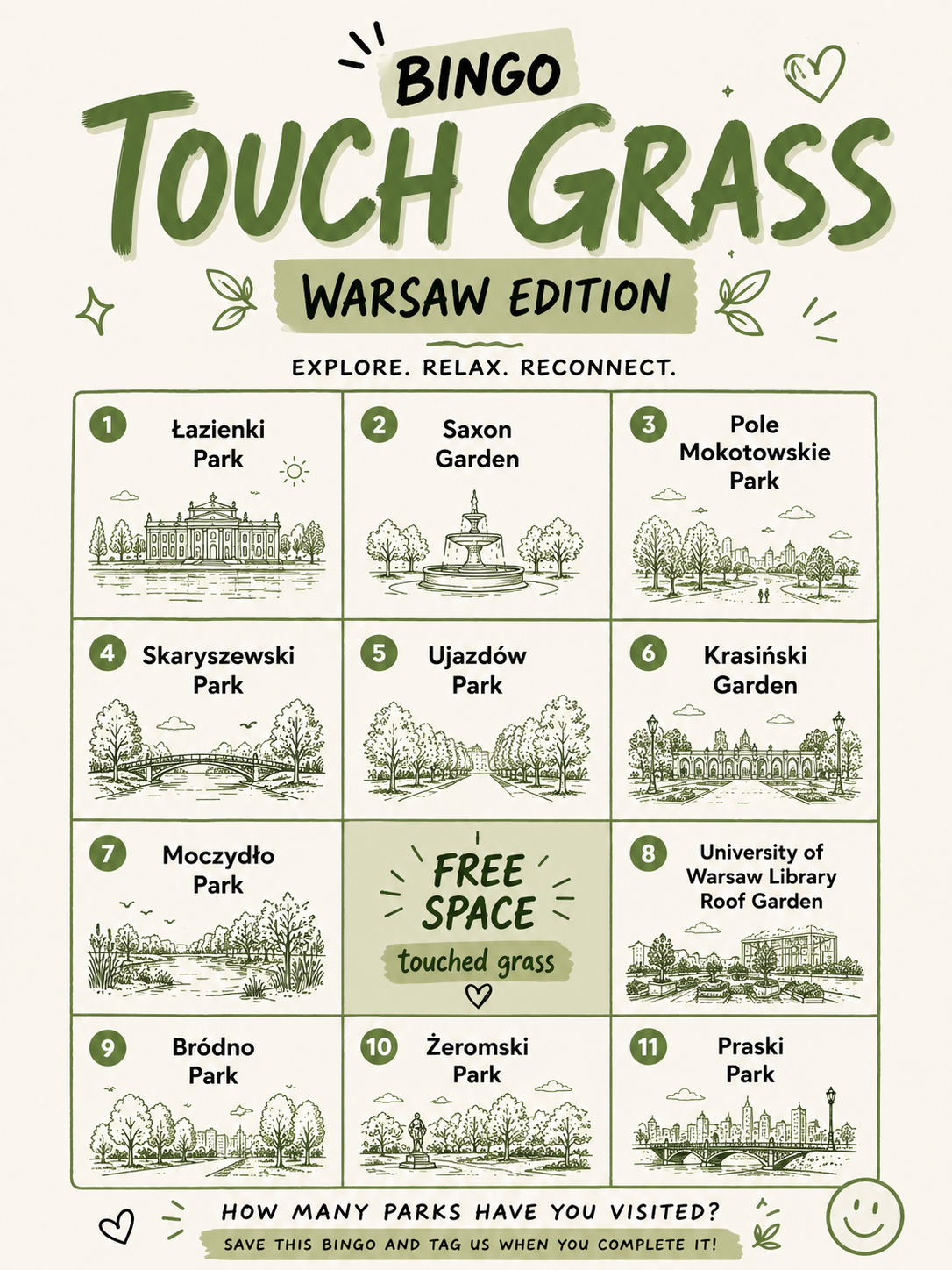
Łazienki Royal Park
Wielka Oficyna – Podchorążówka, Agrykola 1
https://maps.app.goo.gl/hyrD5WCjYnbsbTbu6
THE TASK: In the Footsteps of Old Warsaw
10.00-12.30
Museum of Warsaw + Old City
Muzeum Warszawy, Rynek Starego Miasta 28
https://maps.app.goo.gl/6nvy3qwuXHwLrnW79
12.30-13.30
Free time (meals at your own expense)
13.30-16.00
A walk through Krakowskie Przedmieście, Pawilony.
Muzeum Warszawy, Rynek Starego Miasta 28
https://maps.app.goo.gl/6nvy3qwuXHwLrnW79
THE TASK: The History of the Jews – from peace to the Second World War
10.00 – (12.30) 13.00
POLIN Museum of the History of Polish Jews
POLIN Muzeum Historii Żydów Polskich
Mordechaja Anielewicza 6
https://maps.app.goo.gl/jSGiLzmnyiamEeoY8
12.30(13.00) – 14.00
Free time (meals at your own expense)
14.00– 17.00
Warsaw Uprising Museum
Muzeum Powstania Warszawskiego
Grzybowska 79
https://maps.app.goo.gl/BD3372yGZJZEAwFs8
Friday, July 10
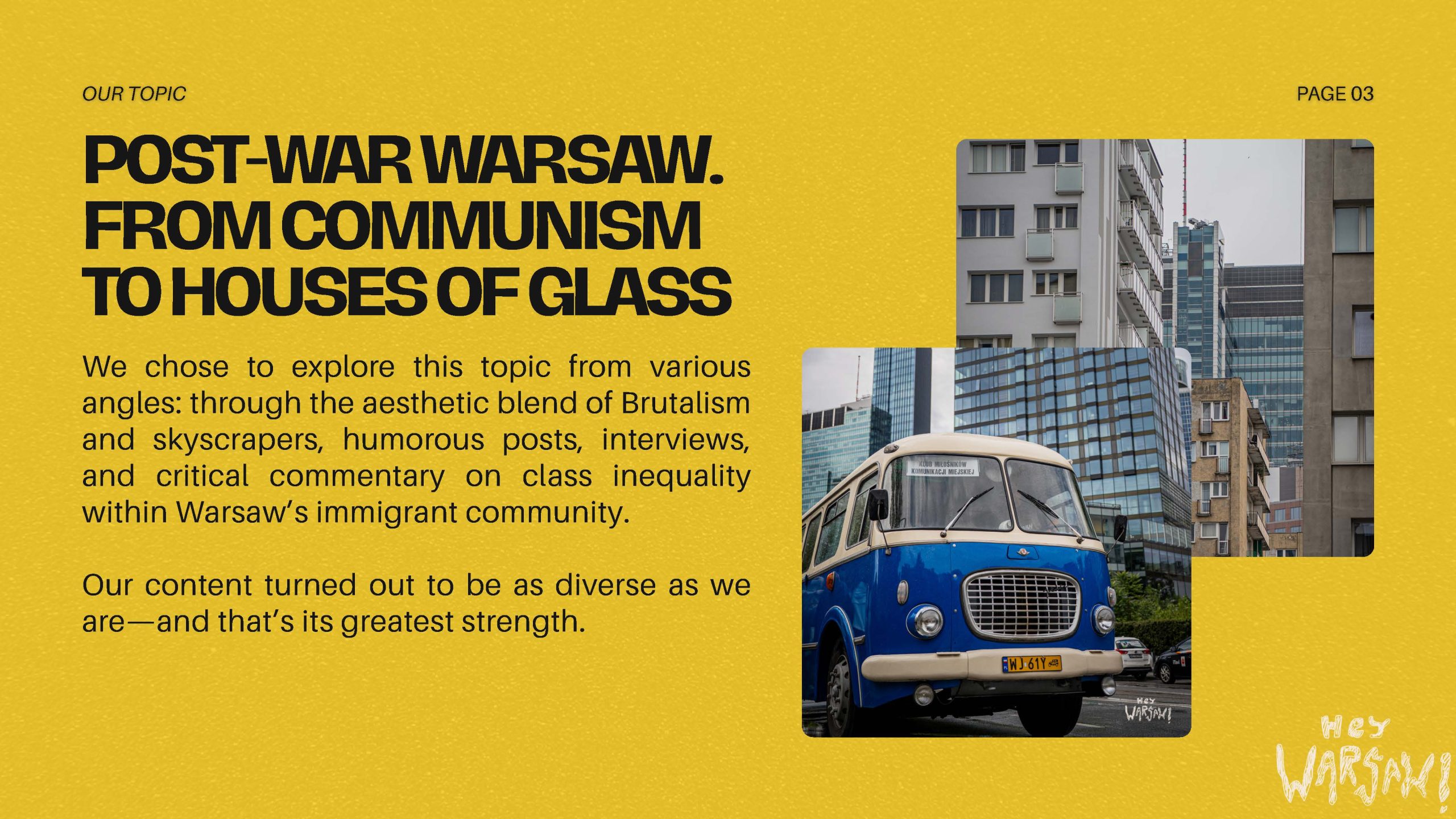
TASK: Post-war Warsaw. From communism to houses of glass
10.00-13.00
A journey back in time to communist Warsaw on buses from the People’s Republic of Poland
TBA
13.30-14.30
Free time (meals at your own expense)
14.30-16.30
Gentrified Warsaw: Norblin Factory
Fabryka Norblina, Żelazna 51/53
https://maps.app.goo.gl/3sFQFb7TMEuPYwue7
Meet in front of ‘Bilety Info’, located on Level 0 of the Plater building. After entering the Norblin Factory grounds through the main gate on Żelazna Street, go straight ahead, then turn right and enter the Plater building through the revolving doors.
A wrap-up day
10.00-12.00
Interculturality in Heigher Education Institutions. A workshop
Uniwersytet Warszawski, Krakowskie Przedmieście 26/28, CIUW building, room 306
catering: in front of 306 room
https://maps.app.goo.gl/CHzZjbRnfPFbhTZKA
12.00-12.15
coffee break
12.15-14.00
presentation of work, summary + questionnaire, certificates
from 19.00
Farewell party in Warsaw Neighbourhood – „go local” vibe
Przy Beczce Bisto, al. Niepodległości 19
https://maps.app.goo.gl/CPrEeoQYdAmCToWU6
Participating Universities
Poland (Organiser)
Faculty of Journalism, Information and Book Studies
University of Warsaw
Students’ Work
Explore the creative outputs from our international student groups — photos, videos, texts, blog posts, and more.
Group 1
University as a melting pot of diversity
Photos · Videos · Texts · Blog posts
Group 2
Political Warsaw, green Warsaw
Photos · Videos · Texts · Blog posts
Group 3
In the Footsteps of Old Warsaw
Photos · Videos · Texts · Blog posts
Group 4
The History of the Jews – from peace to the Second World War
Photos · Videos · Texts · Blog posts
Group 5
Post-war Warsaw. From communism to houses of glass
Photos · Videos · Texts · Blog posts
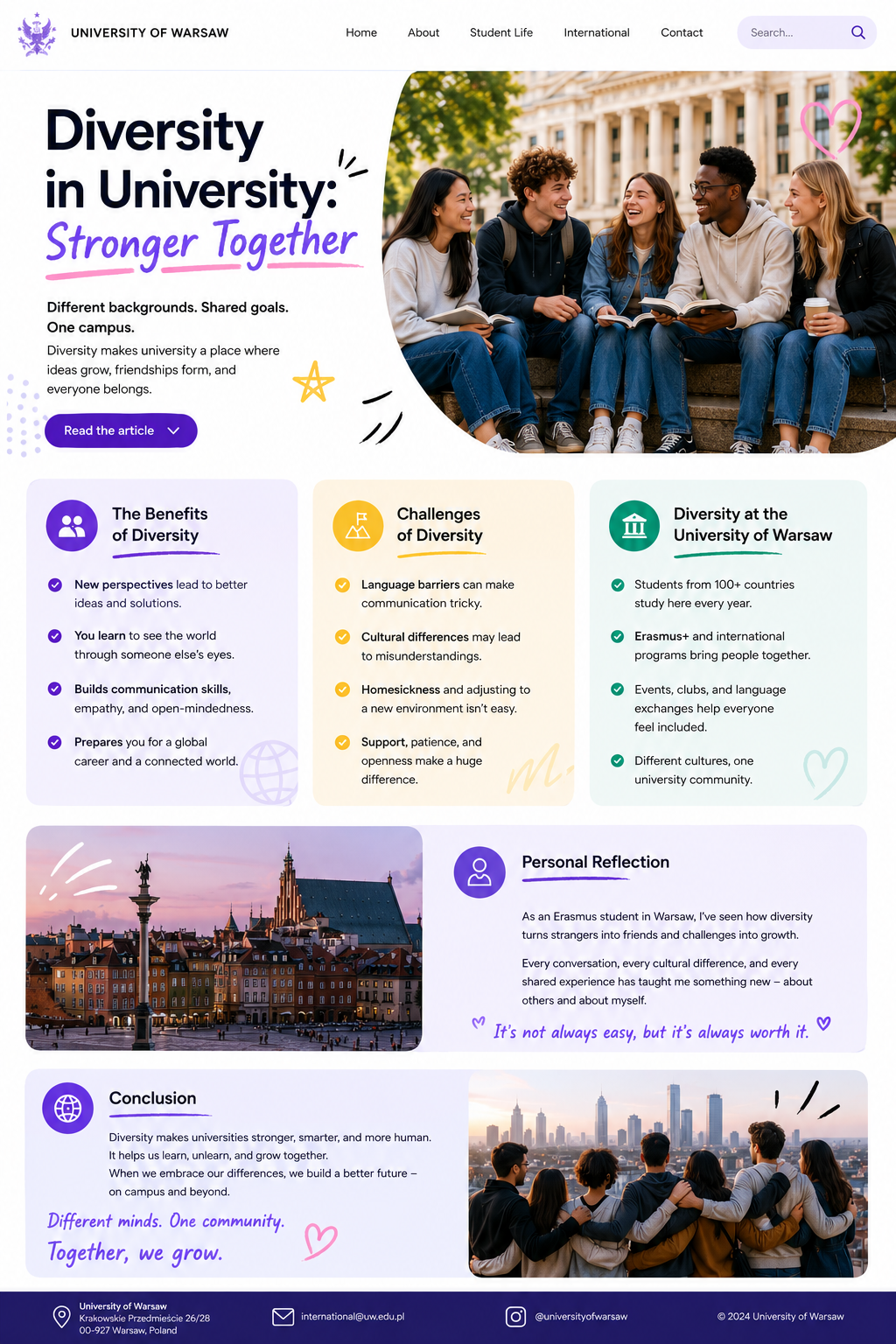
Group 1. University as a melting pot of diversity
What makes a city feel like home when you’re studying abroad?
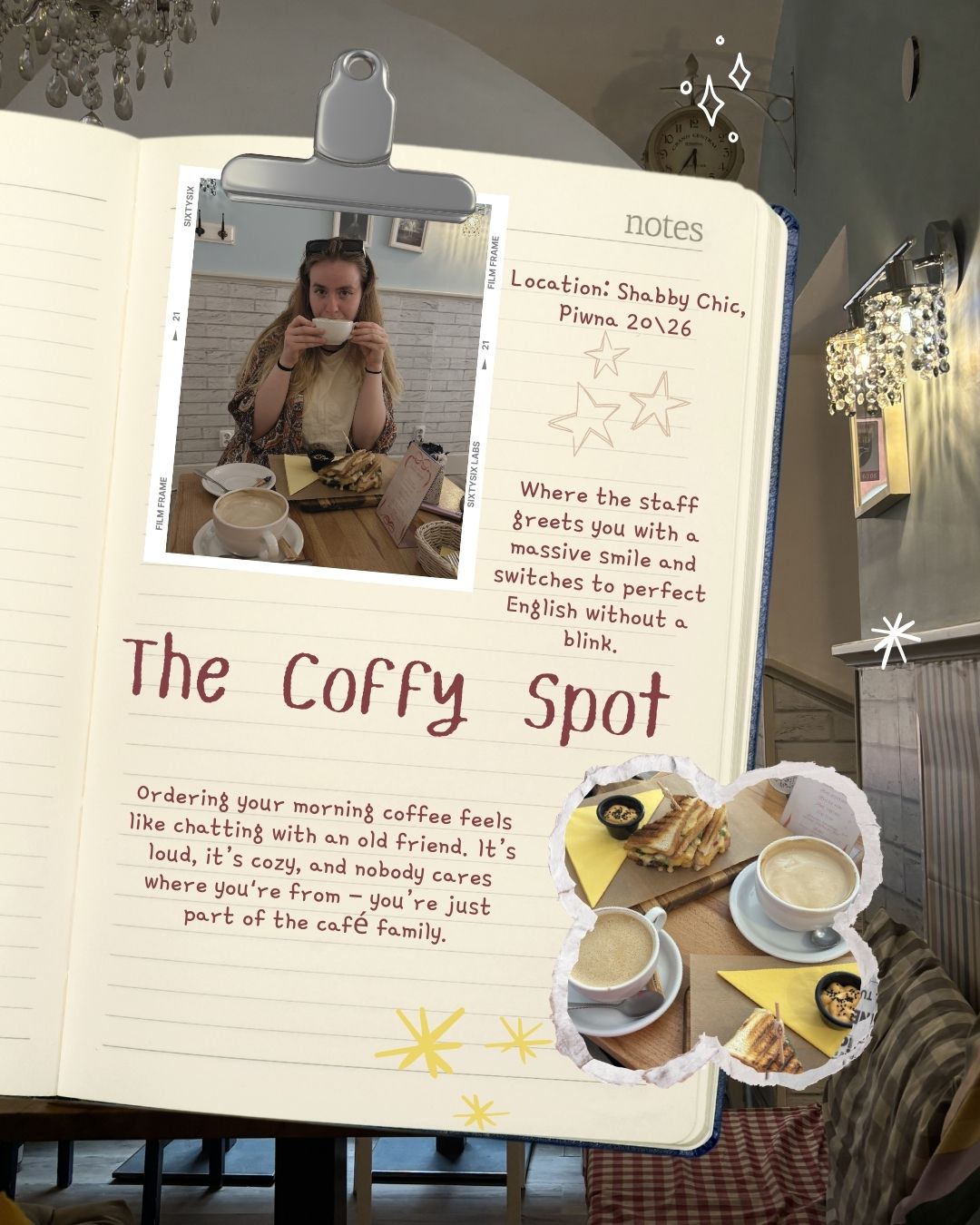
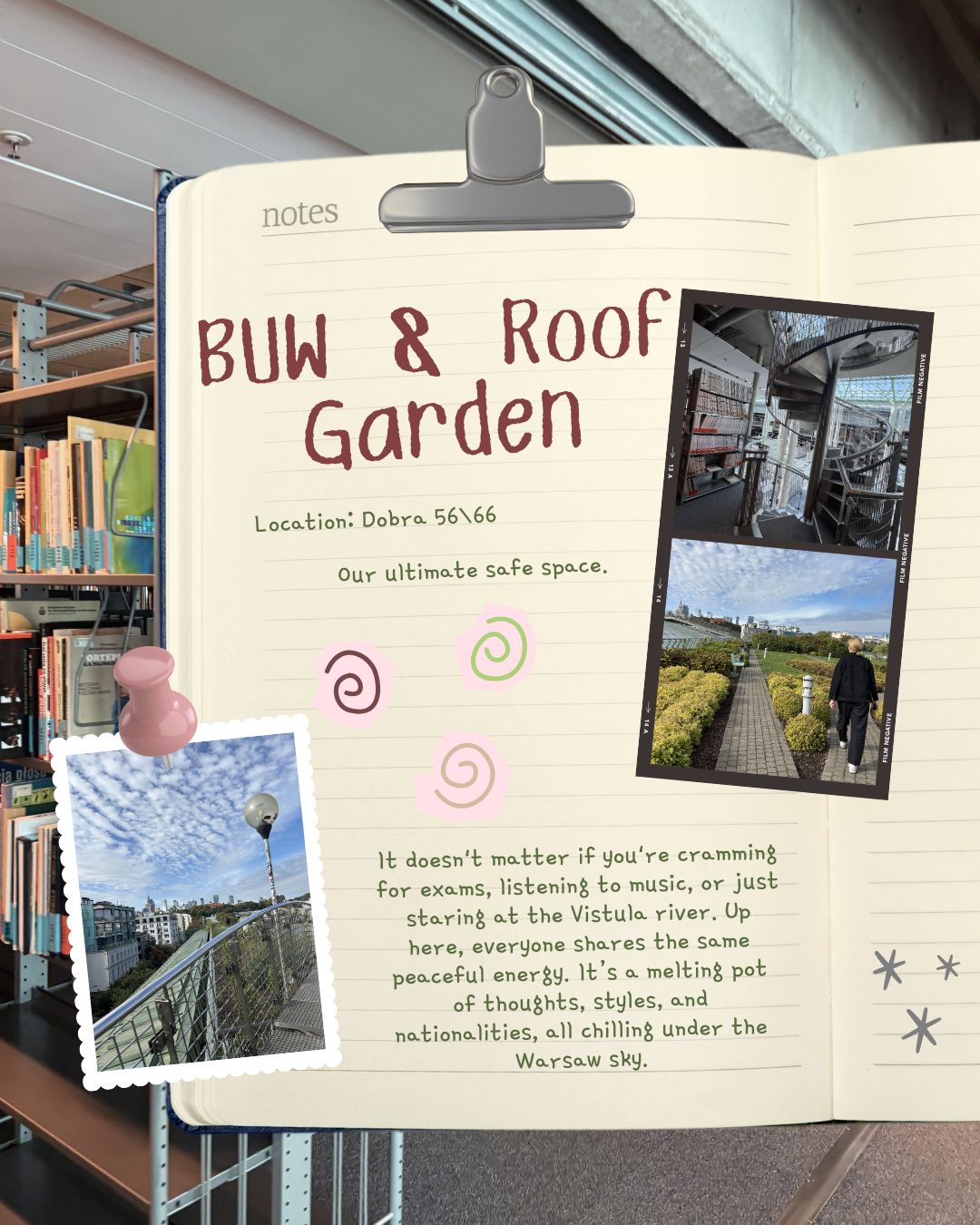
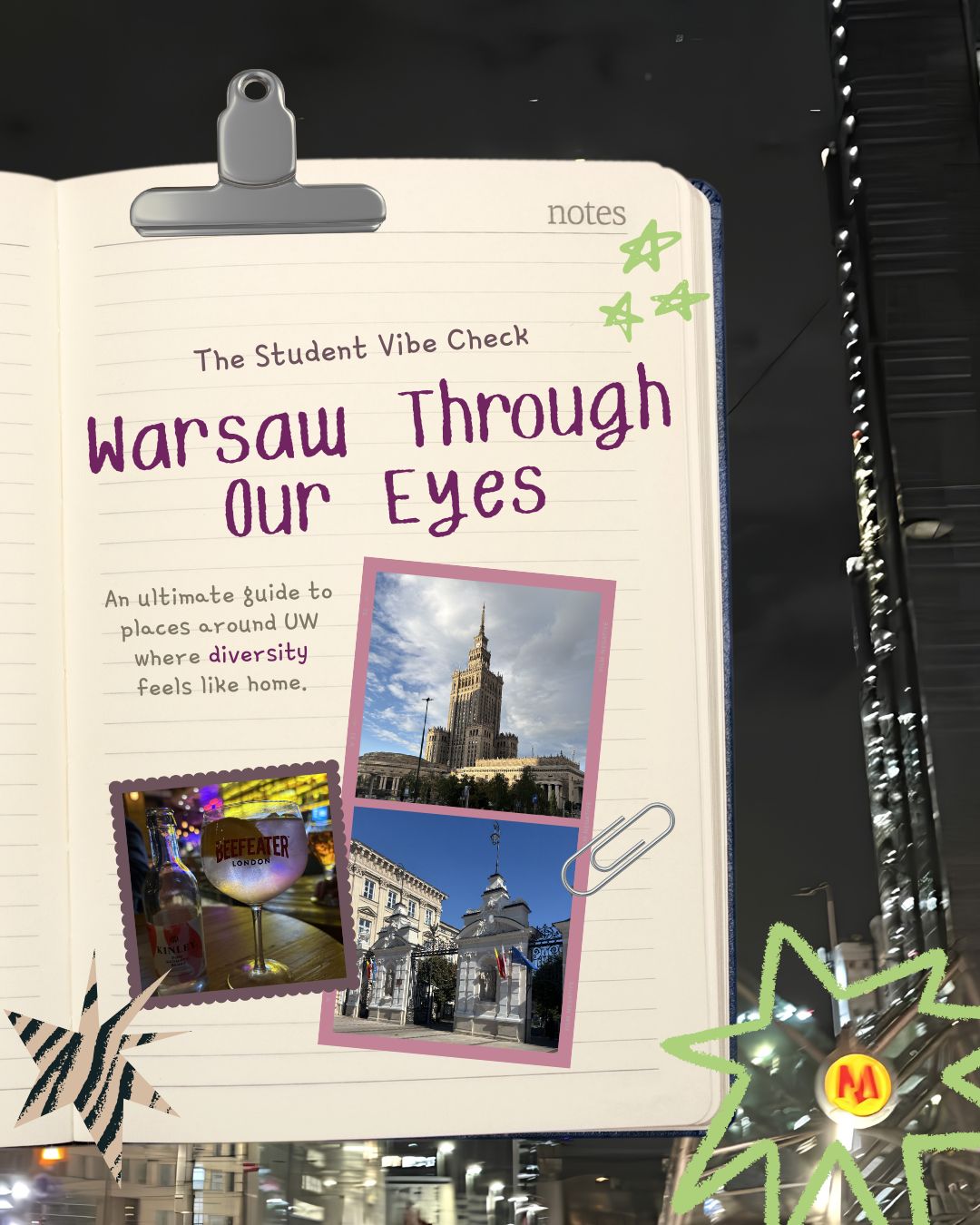
🌍✨ It’s not just about the beautiful architecture or university rankings. It’s about the vibe. It’s about f inding spaces where diversity isn’t just a buzzword, but a daily reality.
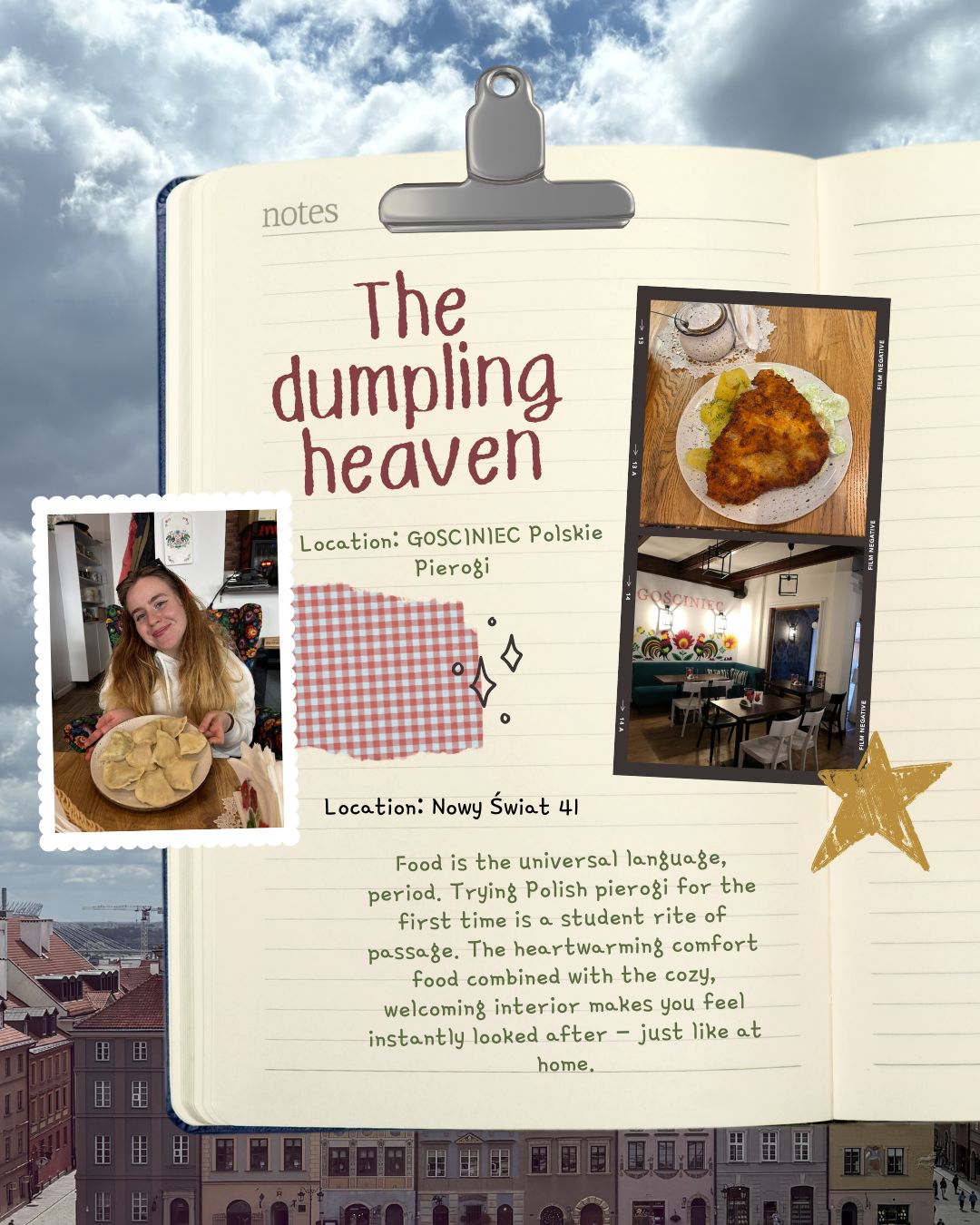
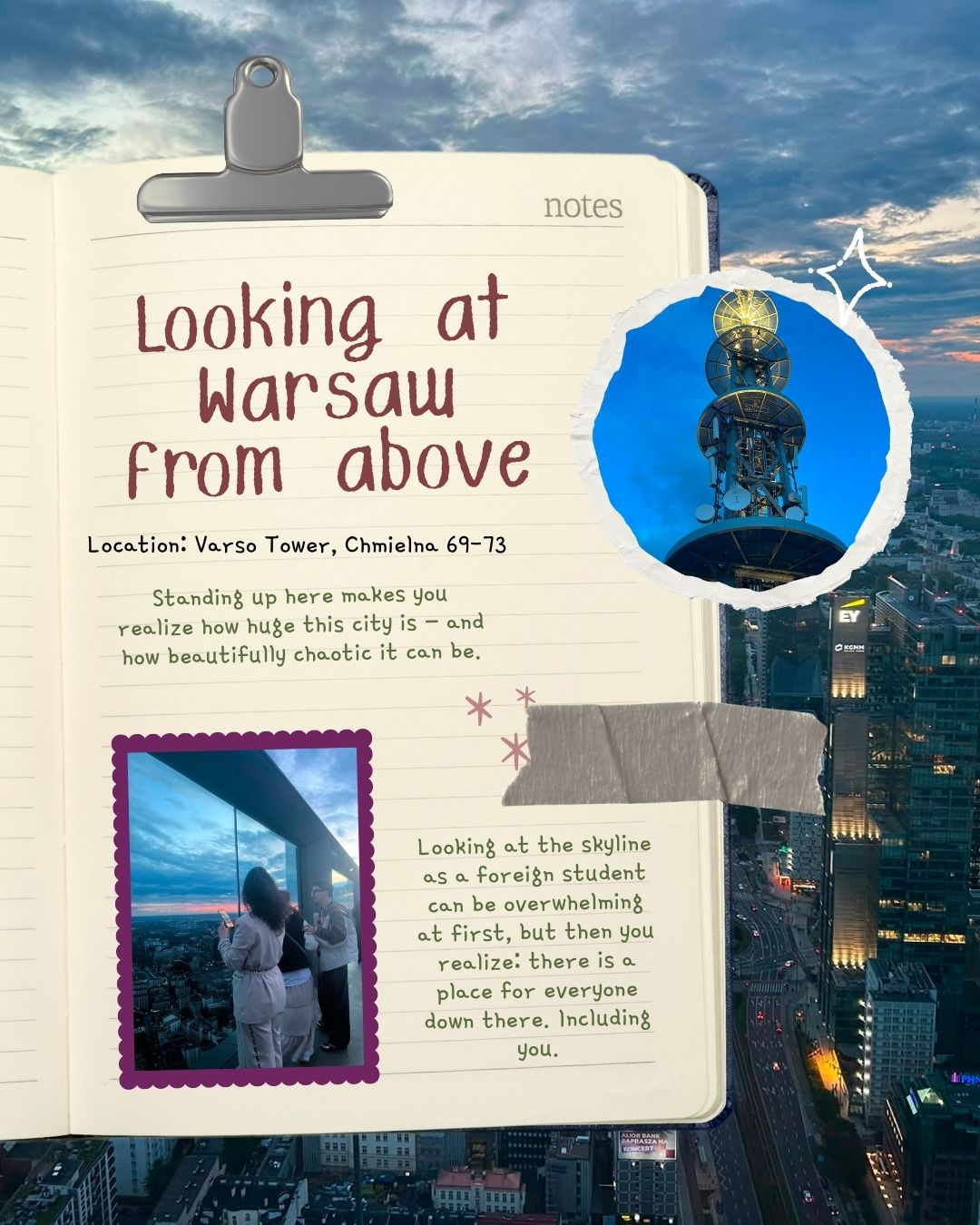
We went on a little photo-hunt around the University of Warsaw to capture places that passed our „student vibe check.” From the breezy roofs of BUW to cozy coffee shops where the barista knows your name (and speaks flawless English), and comforting dumpling spots that feel like a warm hug.
Diversity means that no matter your background, style, or language, you can find a corner in Warsaw where you truly belong.
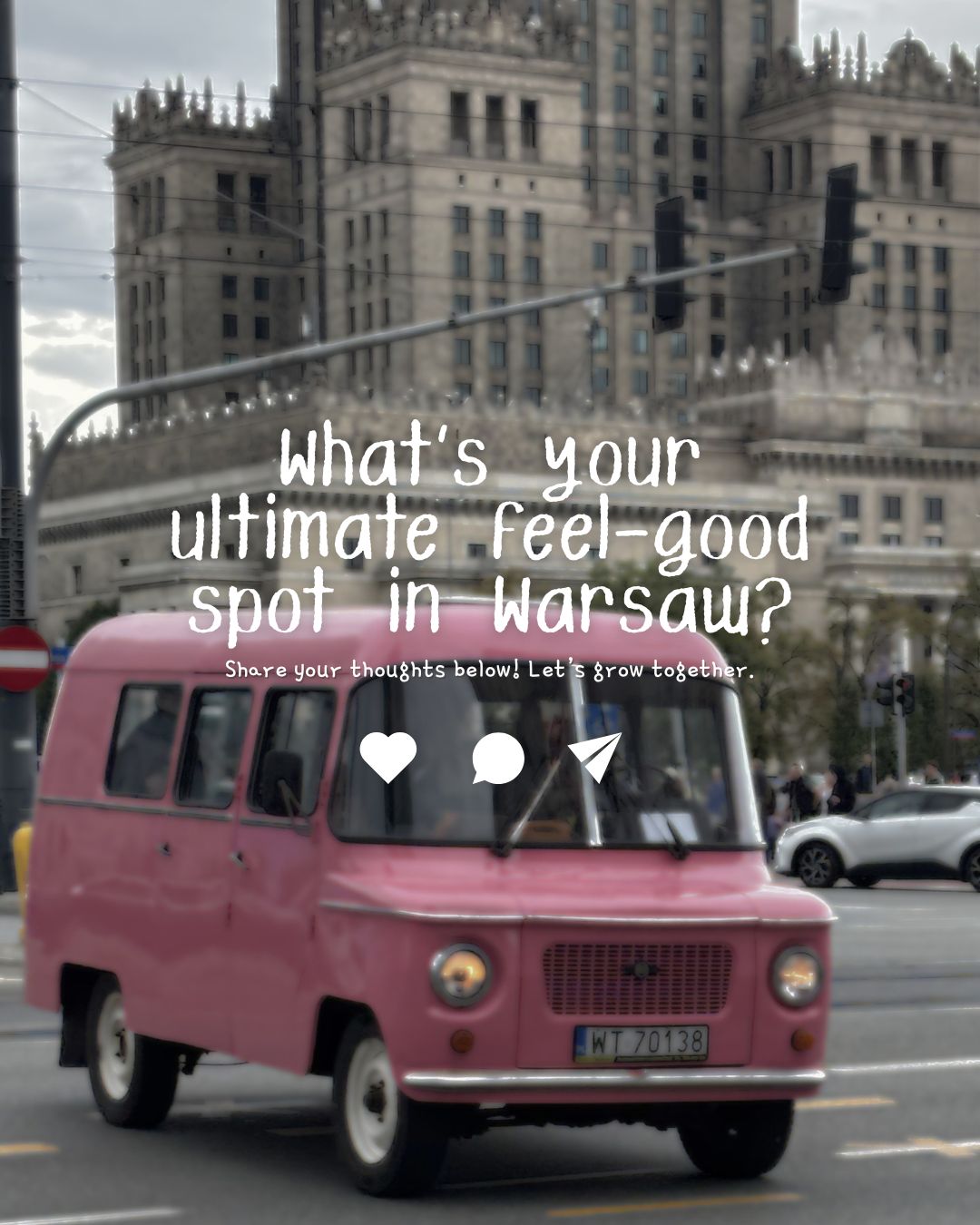
🗺❤ Slide through our student scrapbook and let us know: What’s your ultimate feel-good spot in Warsaw? 👇
#DiversityInWarsaw #StorytellingUW #WarsawStudent #ScrapbookVibes #BUW #StudentLifePoland #ErasmusBIP #Belonging #WarsawMeltingPot #Poland #Hungary #Bulgaria #Romania #Turkey #Slovakia
Group 2. Political Warsaw, green Warsaw
Group 3. In the Footsteps of Old Warsaw
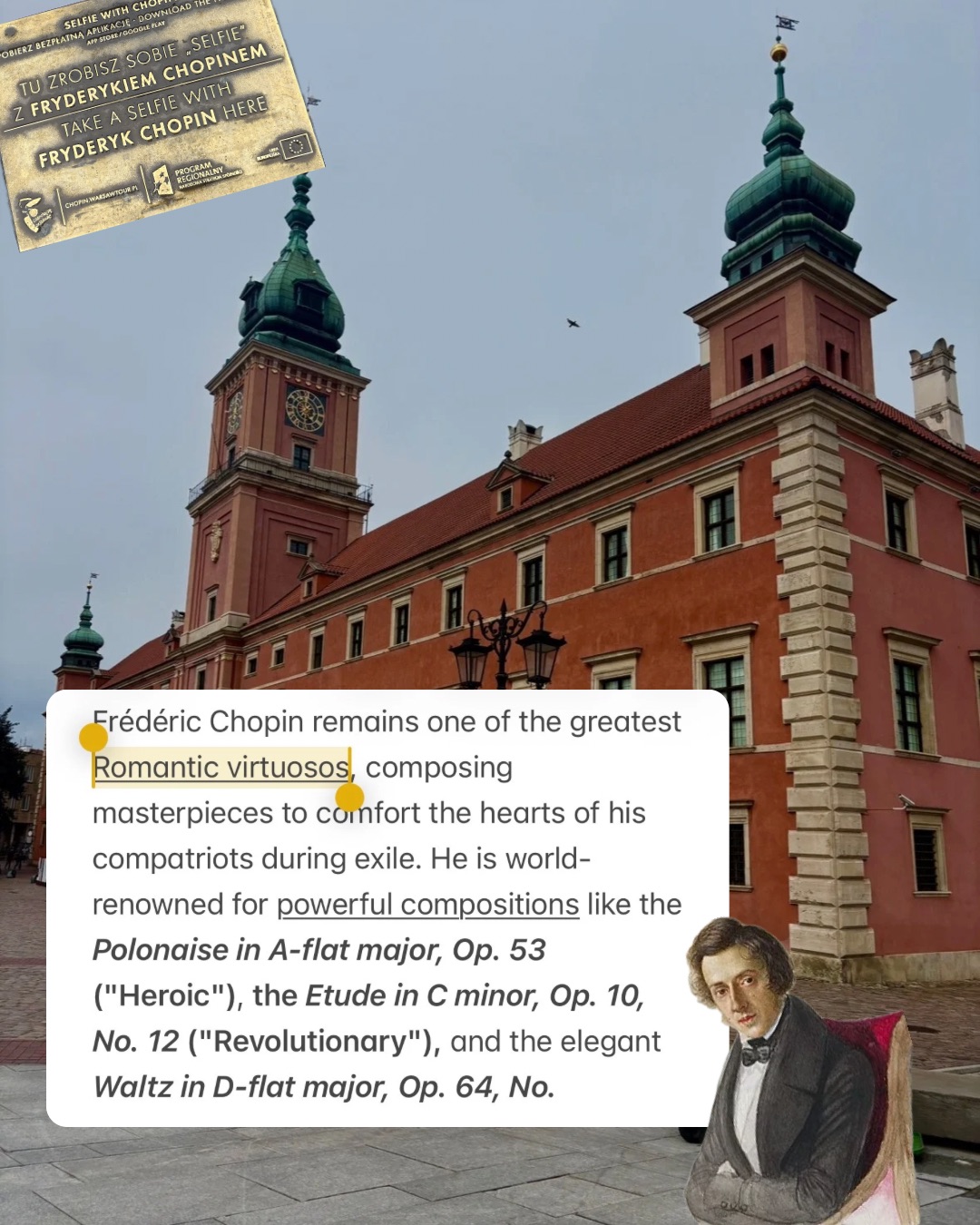
Warsaw: Rebuilding a City, Reviving a Soul
How a Ruined City Became one of Europe’s Greatest Reconstruction Stories
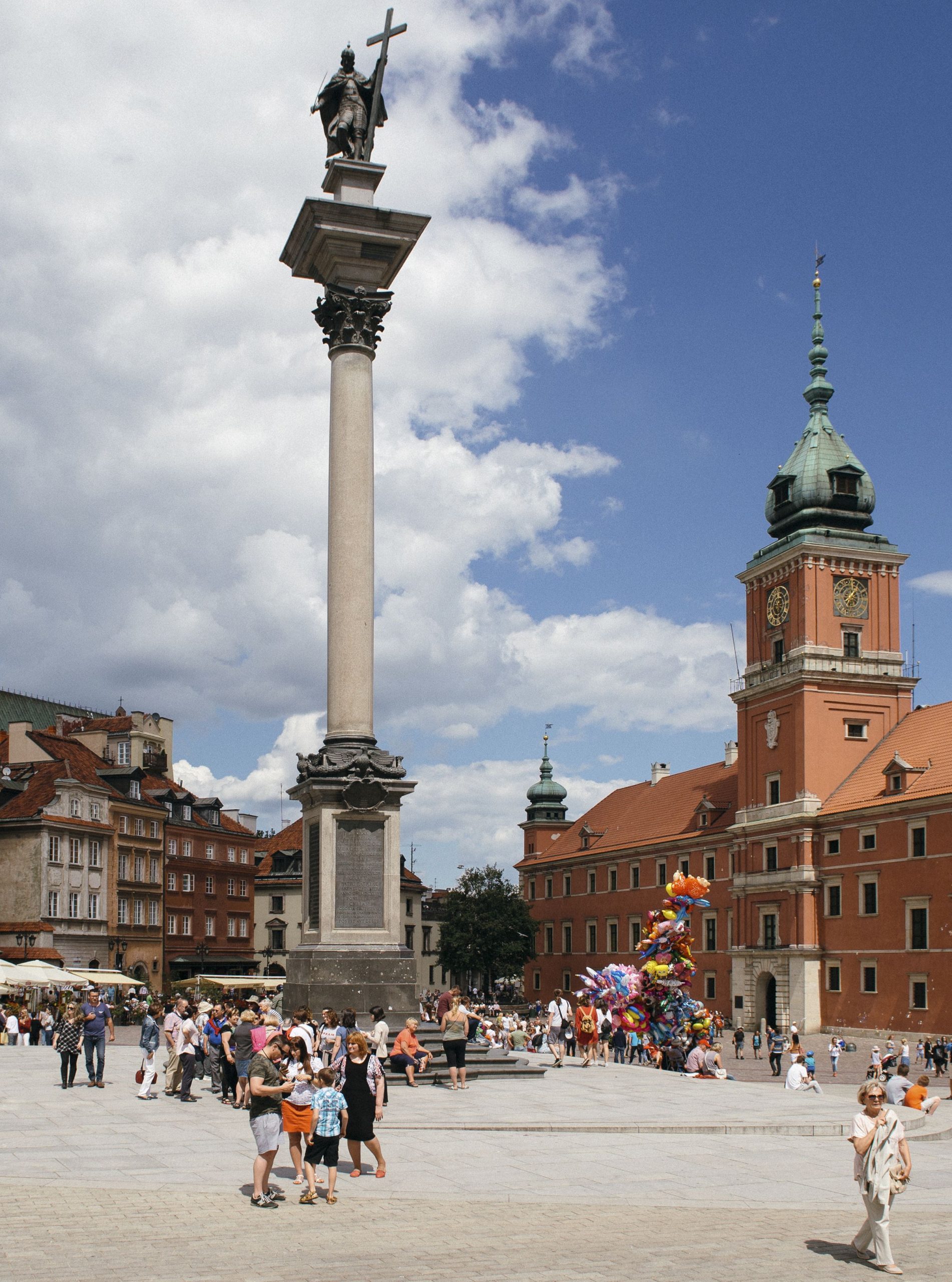
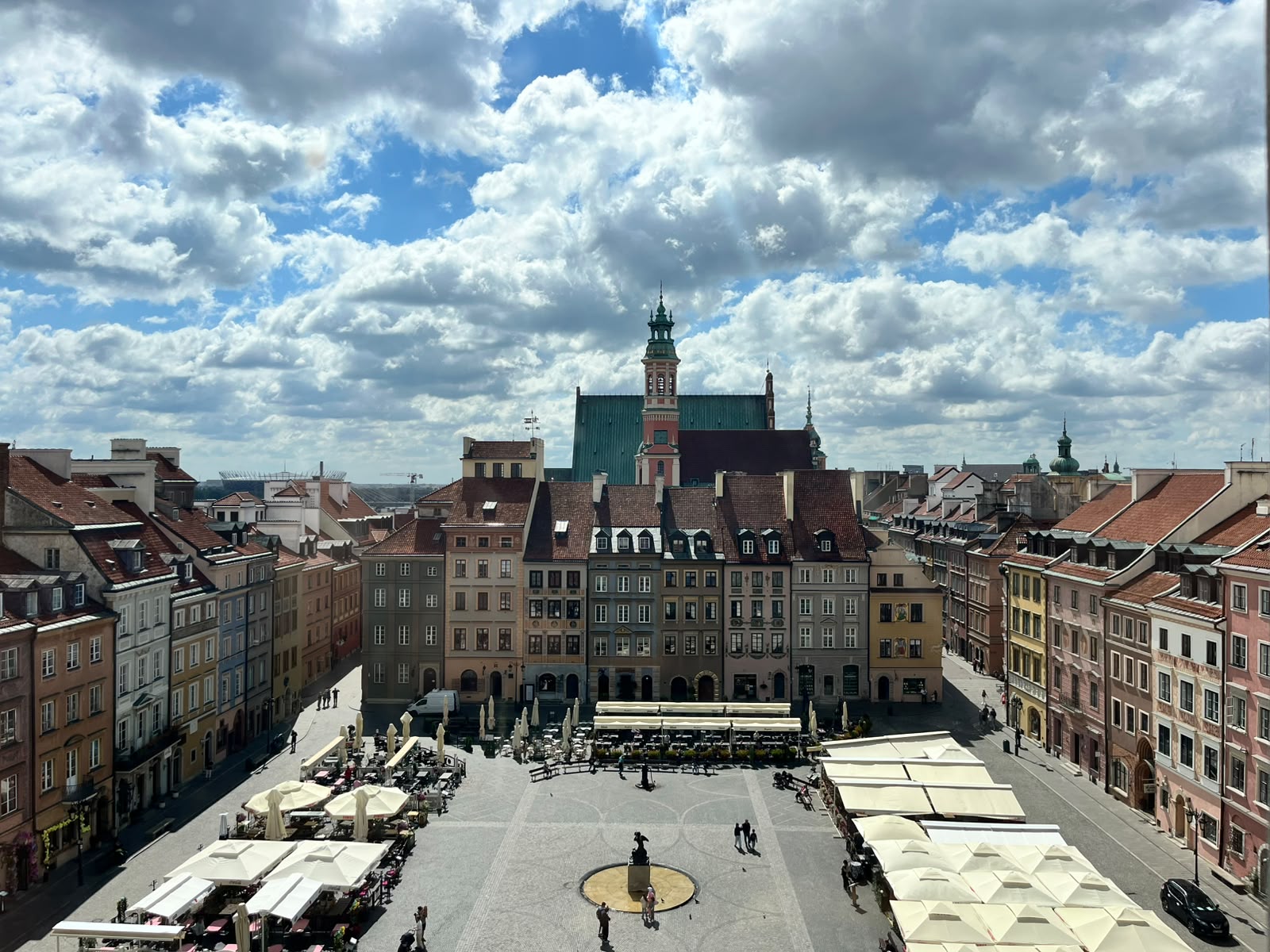
Few European capitals have experienced a history as violent and brutal as Warsaw’s. Today, visitors walk through colourful market squares, admire elegant churches and palaces, relax in green parks, and watch the famous Warsaw Mermaid standing proudly beside the Vistula River. But it is difficult to imagine that less than a century ago, this same city was almost completely erased from the map.
Before the Second World War, Warsaw was a metropolis of more than one million citizens. Rapid industrialisation had transformed the city into one of Europe’s busiest urban centres. Surrounded by Russian-built fortifications that limited its expansion, Warsaw grew upward instead of outward. Buildings became taller, streets narrower, and courtyards smaller, making pre-war Warsaw the most densely populated city in Europe.
Everything changed during the war…
The first catastrophic event was the liquidation of the Warsaw Ghetto in 1943, once home to around 450,000 people. An even greater tragedy followed in 1944 during the Warsaw Uprising. After the uprising was suppressed, German forces deliberately demolished the city district by district. Historic churches, homes, palaces, libraries, museums, and monuments were blown up or burned. By the time the war ended, an estimated 70–80% of Warsaw’s buildings had been destroyed, while around 90% of the historic city centre lay in ruins. Even more devastating than the physical destruction was the loss of people. Death, deportation, displacement and forced evacuation reduced Warsaw’s population dramatically. It would take approximately twenty-five years, until the 1970s, for the city to regain its pre-war population.
Even before the dust had settled, architects, engineers, historians and conservators began preparing for reconstruction. Conservation work in the Old Town started almost immediately after liberation in January 1945. Now, planners saw the destruction as an opportunity to improve living conditions. Streets were widened, overcrowded courtyards were opened into larger communal spaces, parks were expanded, and new residential districts were designed with buildings surrounded by nature. Today Warsaw is among Europe’s greenest capitals, with around 20,000 hectares of green spaces and its building and population density are roughly one-third of what they were before the war.
The reconstruction itself became part of Poland’s national identity. It was accompanied by extensive public campaigns encouraging citizens to contribute financially and physically to rebuilding their capital. The slogan „The whole nation is building its capital!” appeared on posters across the country. Through the Communal Fund for Reconstruction of Poland and Warsaw (SFOS), workers contributed a small percentage of their wages, while taxes on selected goods also supported restoration projects. Eventually, these funds helped rebuild not only Warsaw but also important monuments in other Polish cities.
Perhaps the greatest recognition of Warsaw’s achievement came in 1980, when UNESCO inscribed the Old Town on the World Heritage List. It became the first almost entirely reconstructed historic city centre ever to receive this honour. UNESCO recognised not only the architectural quality of the reconstruction but also the extraordinary dedication of the architects, conservators, historians and citizens who demonstrated that a city’s cultural identity could survive even near-total destruction.
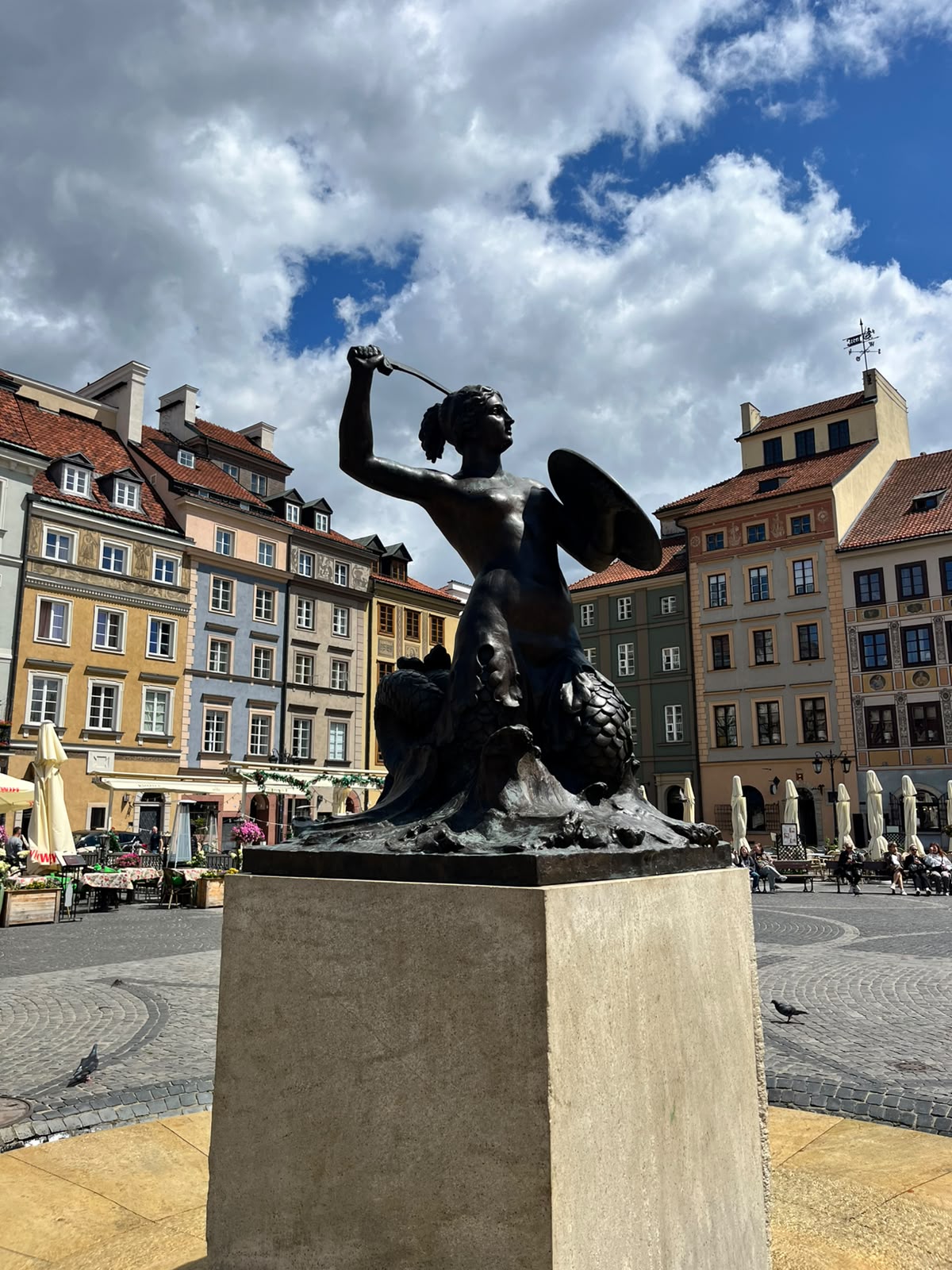
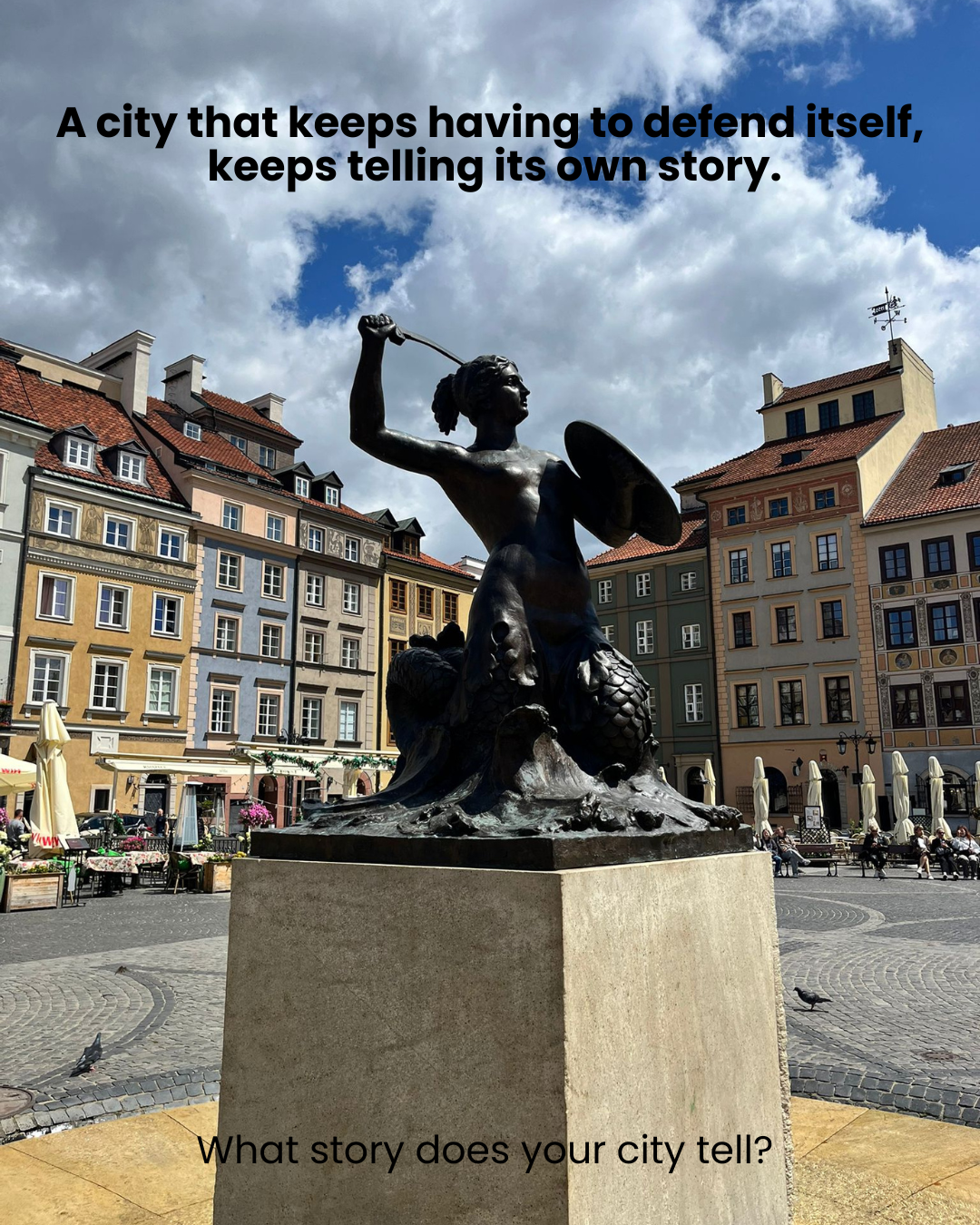
But no story about Warsaw would be complete without its most beloved symbol: the Mermaid, known locally as Syrenka….
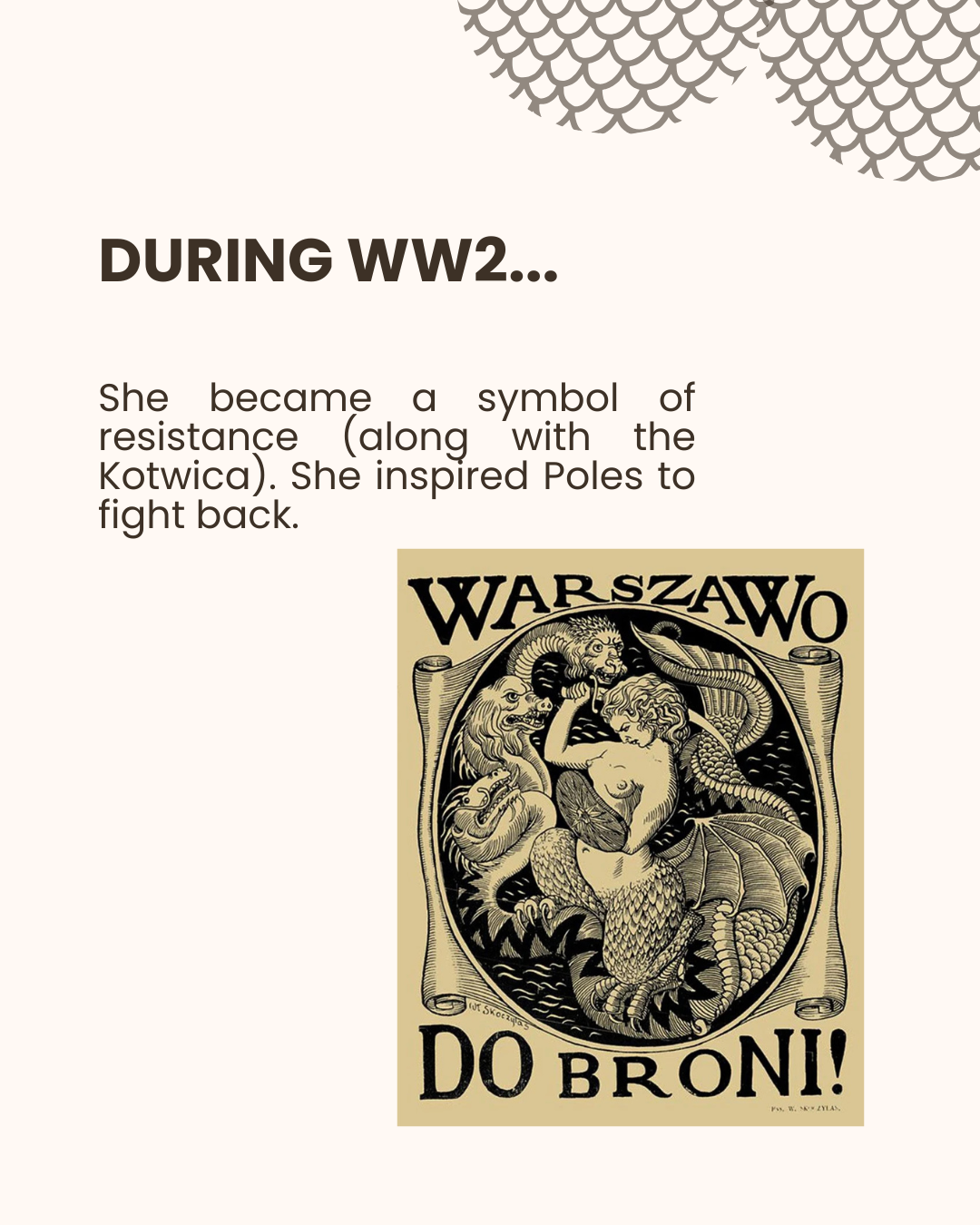
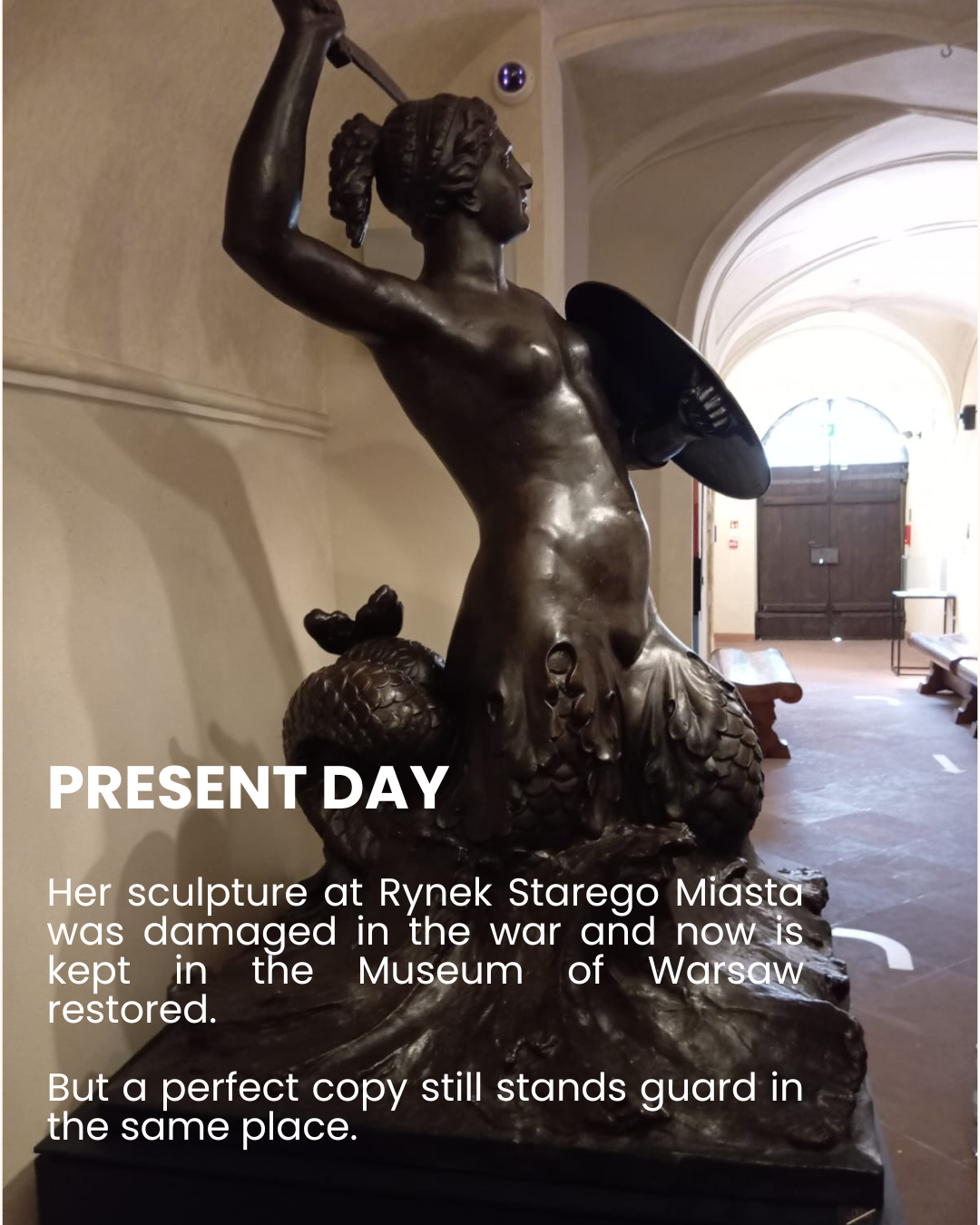
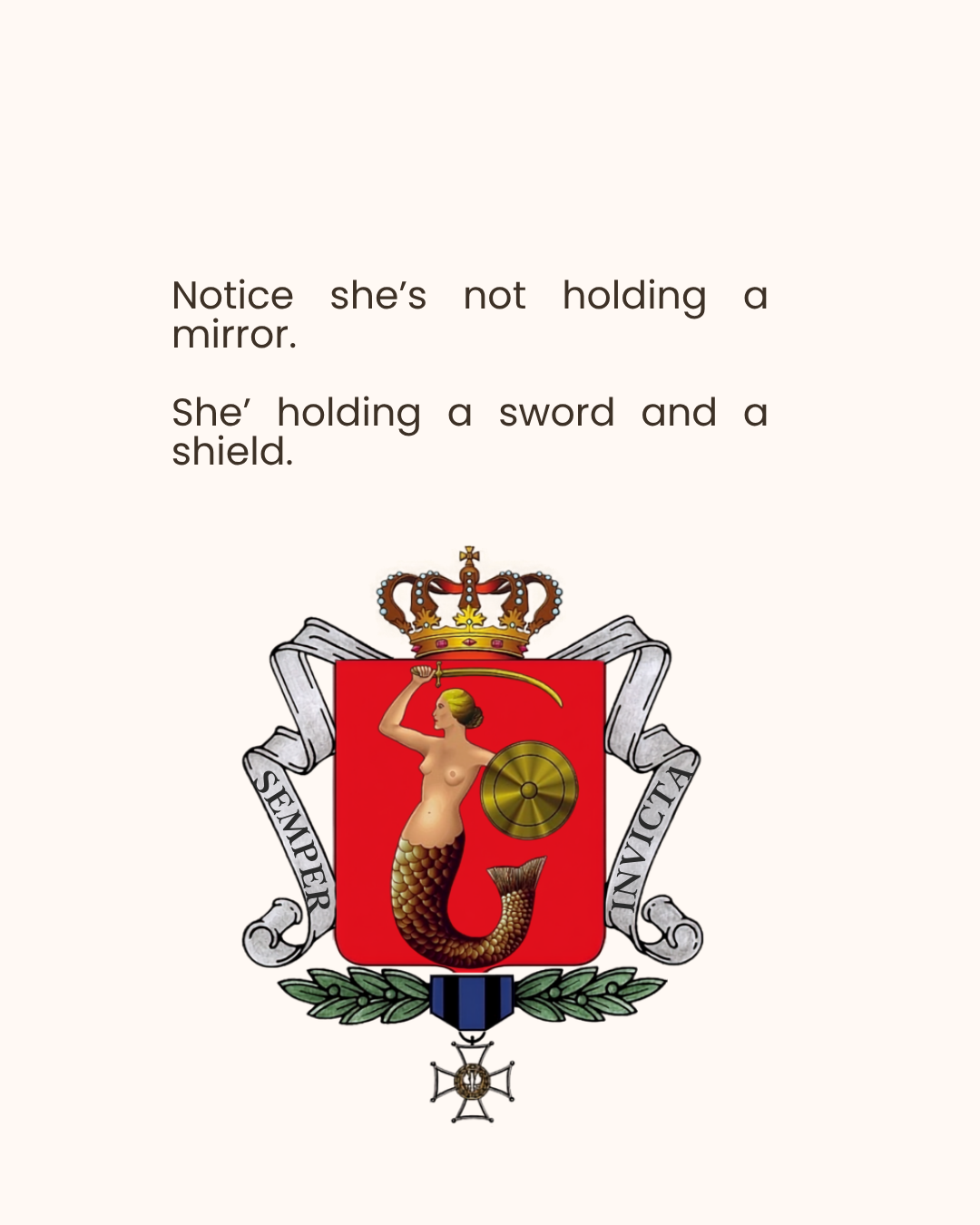
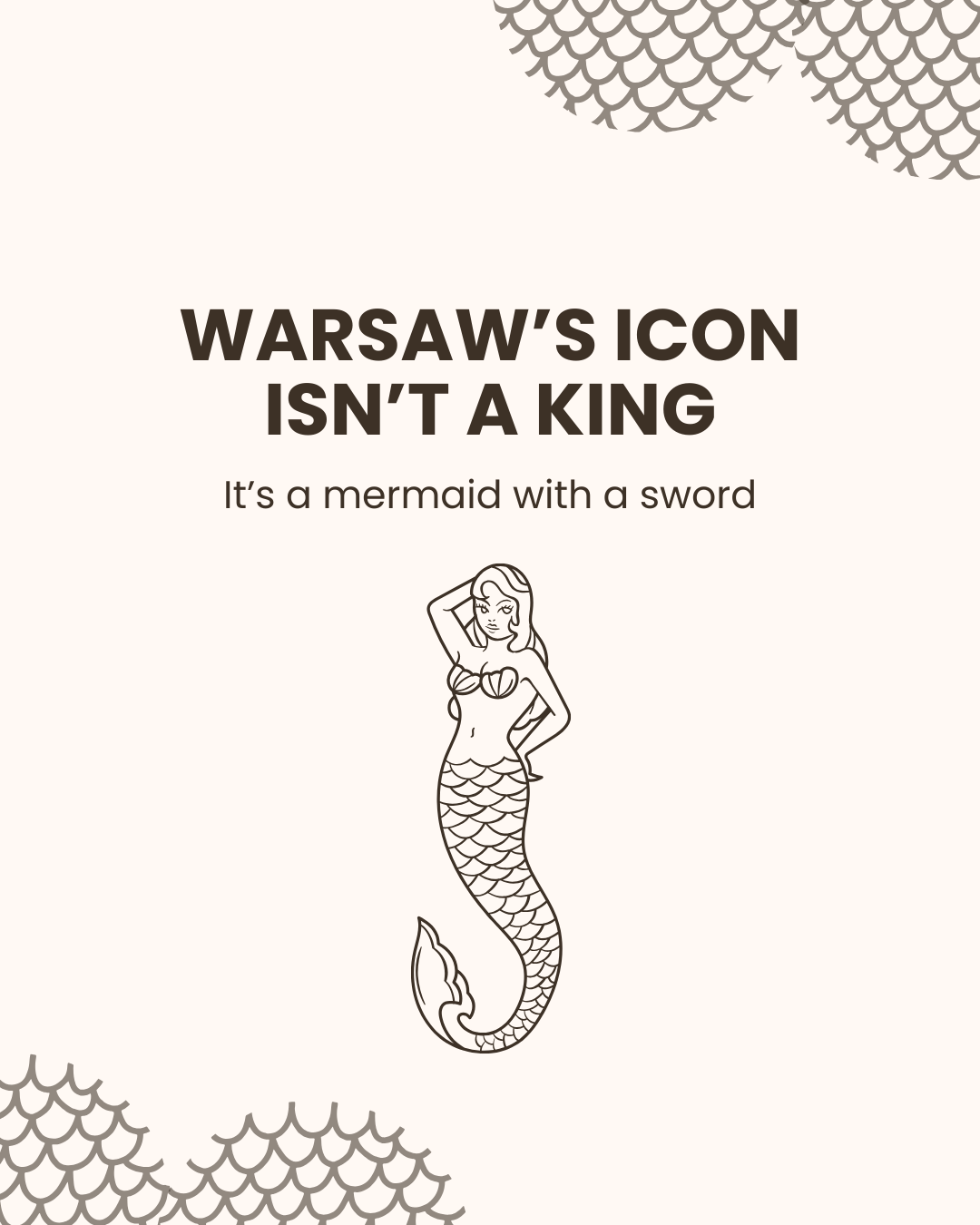
According to legend, two mermaid sisters swam from the Atlantic into the Baltic Sea before taking different paths. One settled in Copenhagen, becoming the city’s famous Little Mermaid. The other continued along the Vistula River until she reached the place where Warsaw now stands. Captivated by the surrounding landscape, she decided to stay. Local fishermen protected her and, in gratitude, she promised to defend the people of Warsaw forever. Today she appears throughout the city holding a sword and shield, not as a symbol of war, but of courage, and protection
Now, it is easy to admire Warsaw for its beautiful squares, riverside promenades and carefully reconstructed monuments. But perhaps its greatest beauty lies elsewhere. It lies in the determination of generations who refused to let their city disappear. Brick by brick, they rebuilt buildings, identity and hope.
So, I ask you: if miracles do not exist, what else is Warsaw?
Group 4. he History of the Jews – from peace to the Second World War
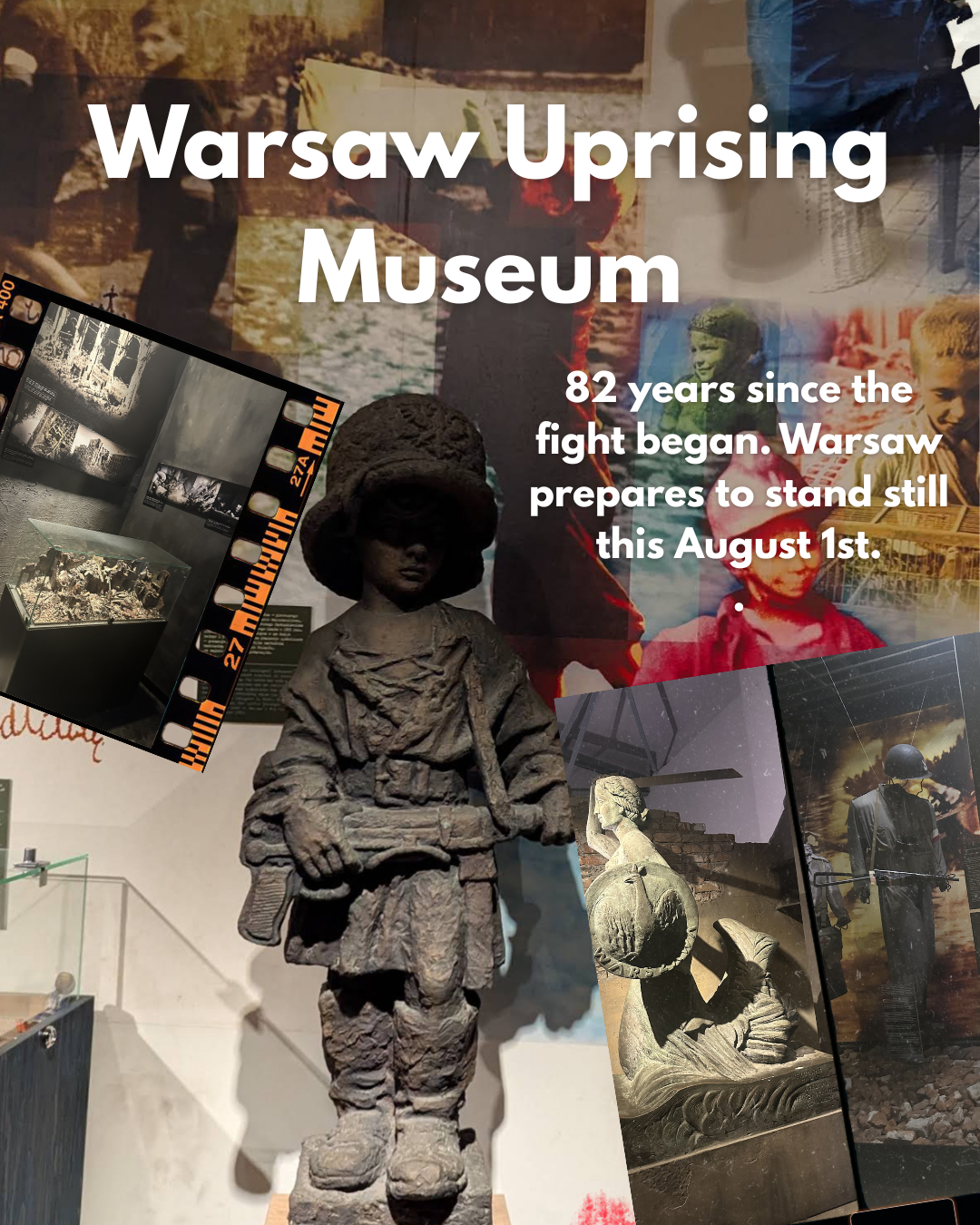
The Warsaw Uprising Museum
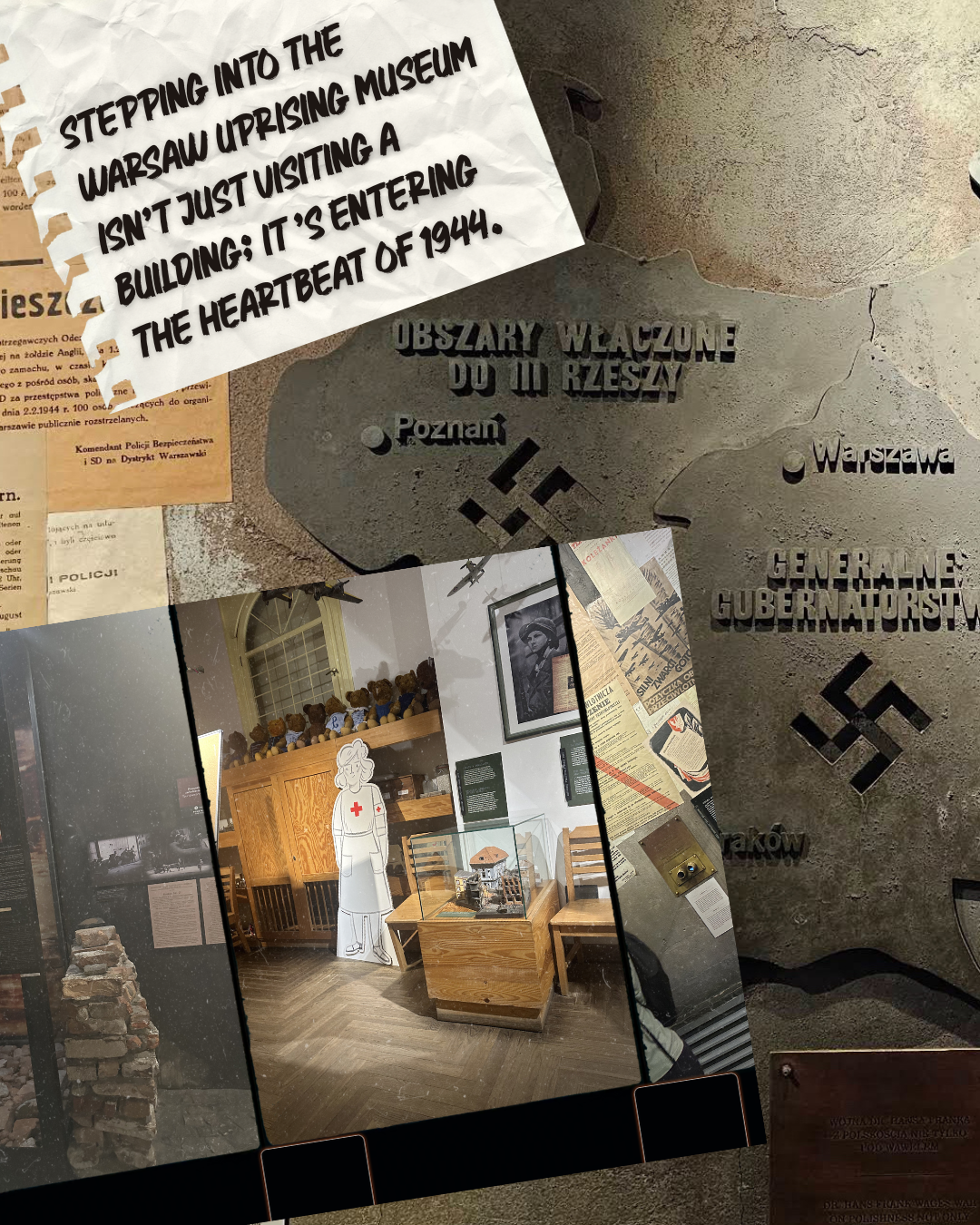
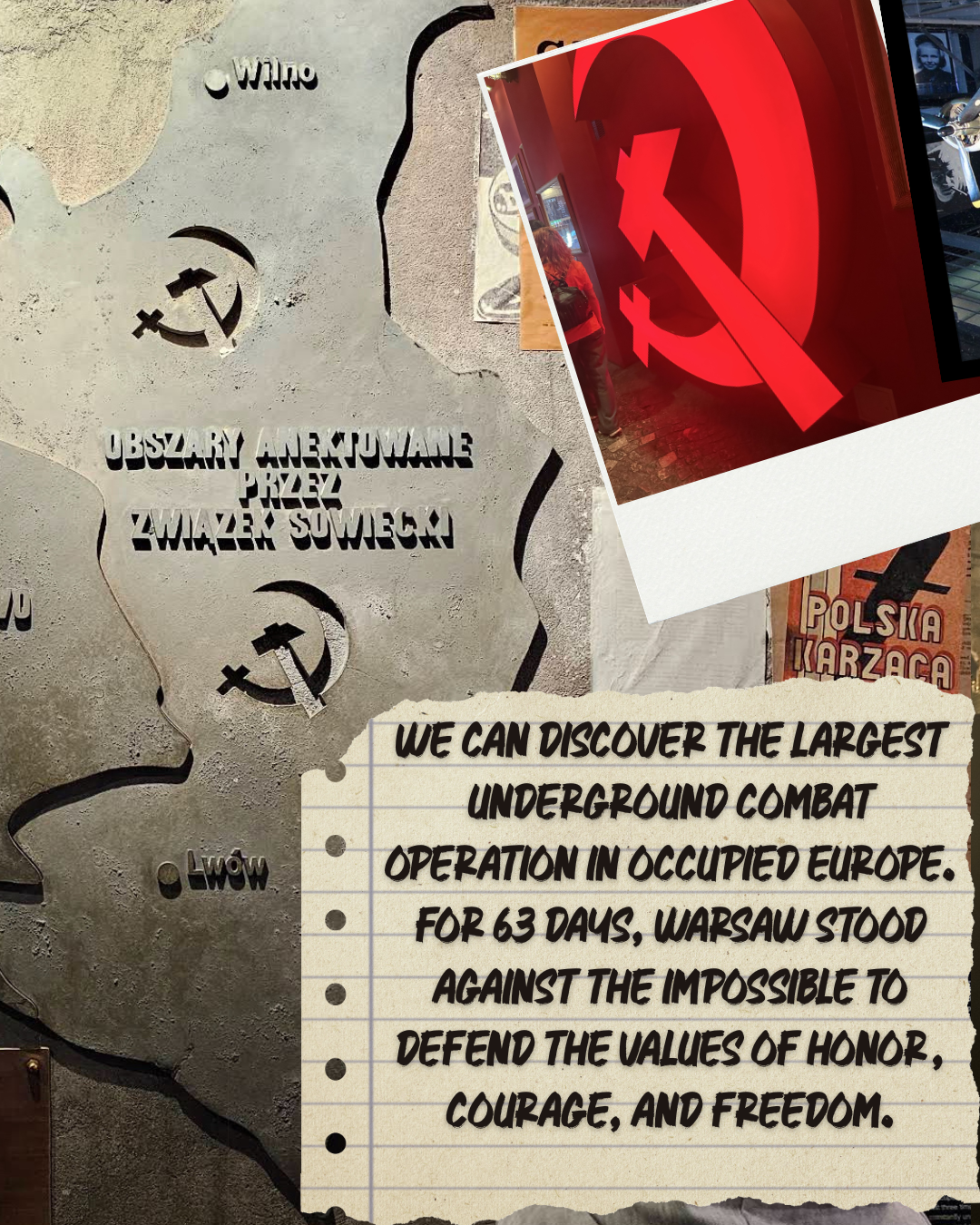
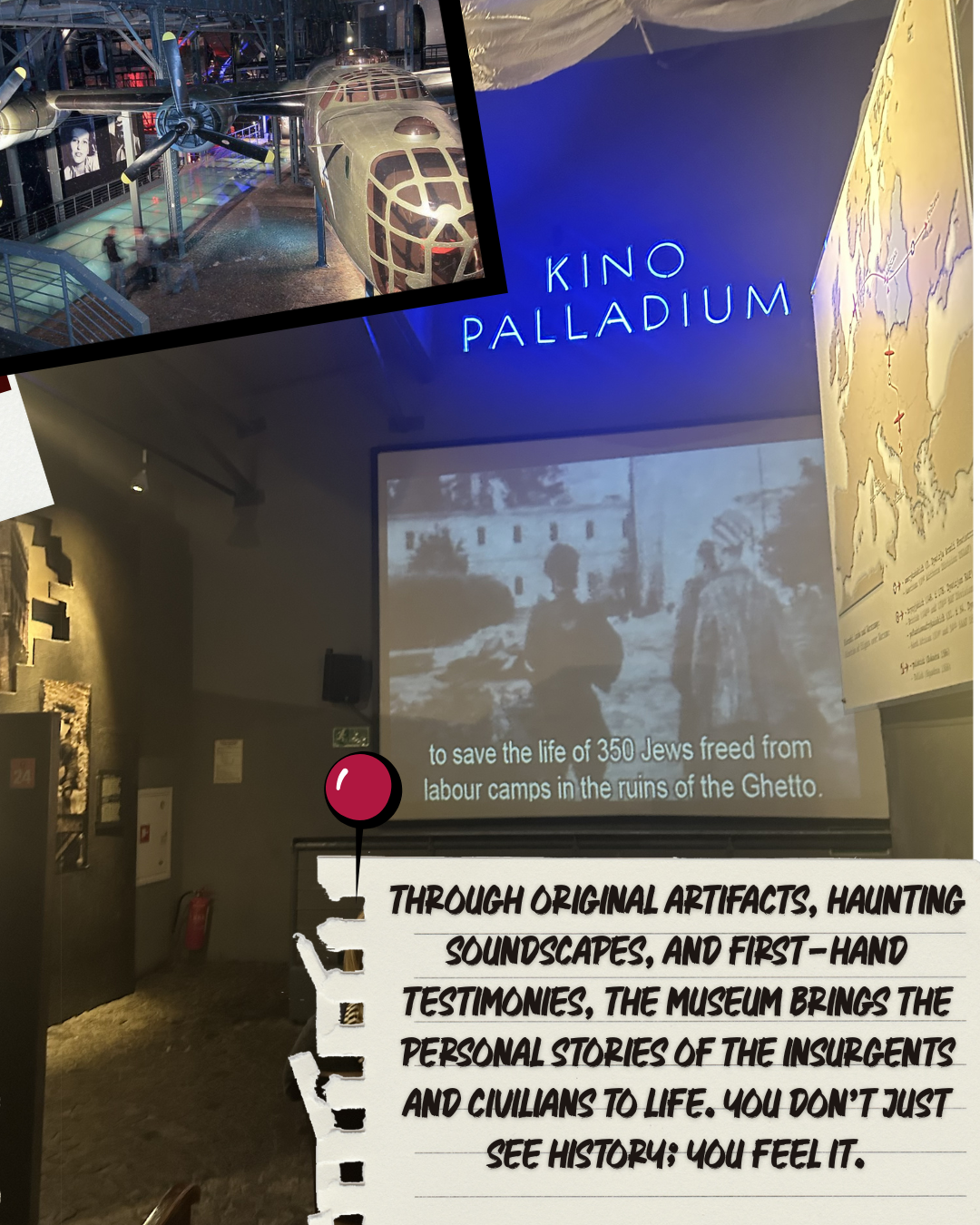
As 1st of August approaches The Warsaw Uprising Museum offers a unique experience of the full story of the uprising. Despite the heavy topics surrounding the uprising, the museum has a great selection of historical documents and photographs of this period of history. Walking through the museum feels like being in the moment of the revolution. The experience for sure is impactful and makes one wonder what it was like to live in those times. There are many interactive items which depict how people were affected and how they tried to fight for their lives and freedom. This is not an easy visit, but an essential one to understand Poland’s past.
@warsawrisingmuseum
#warsaw #uprising #museum #82yearssincetheuprising #history
POLIN Museum
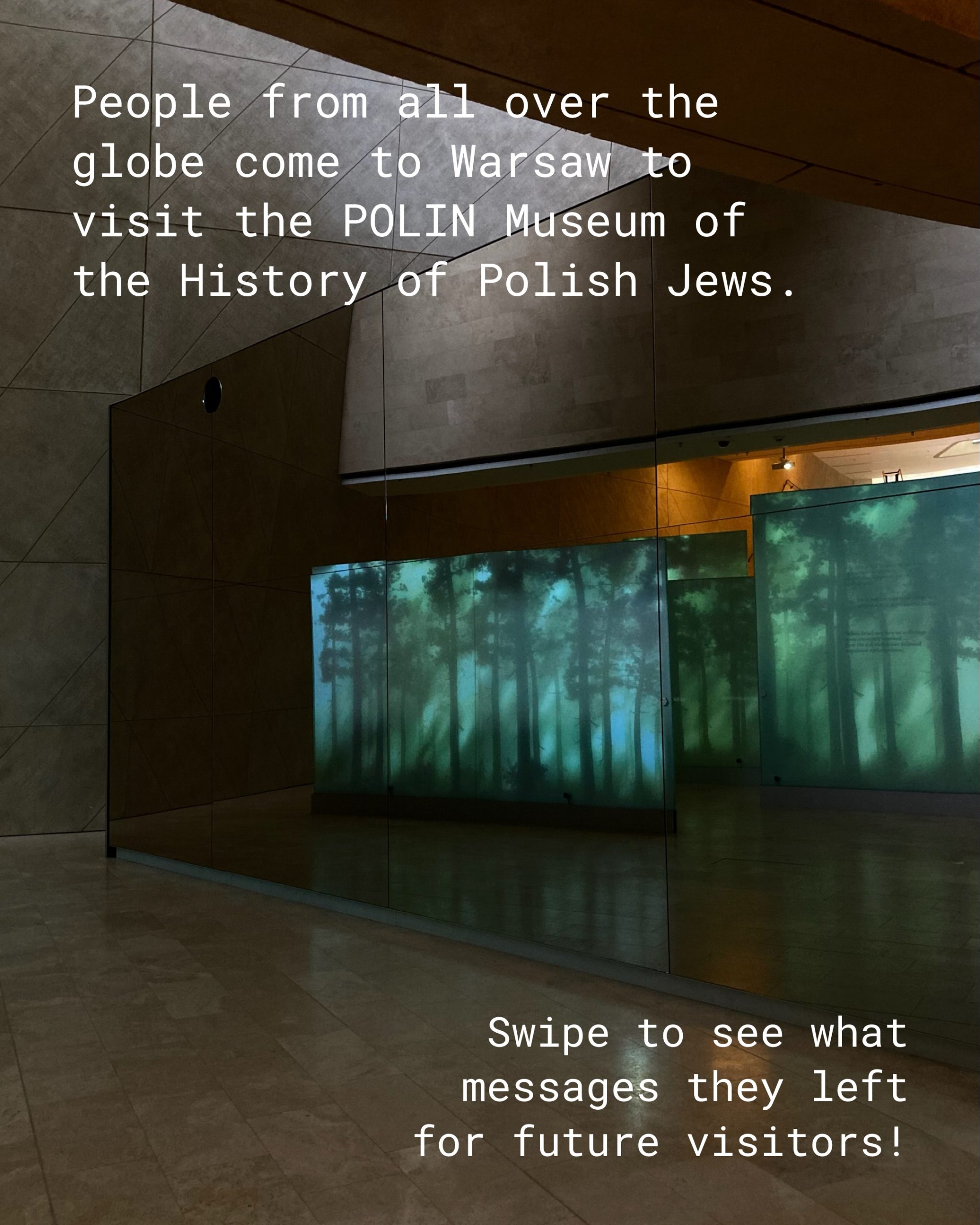
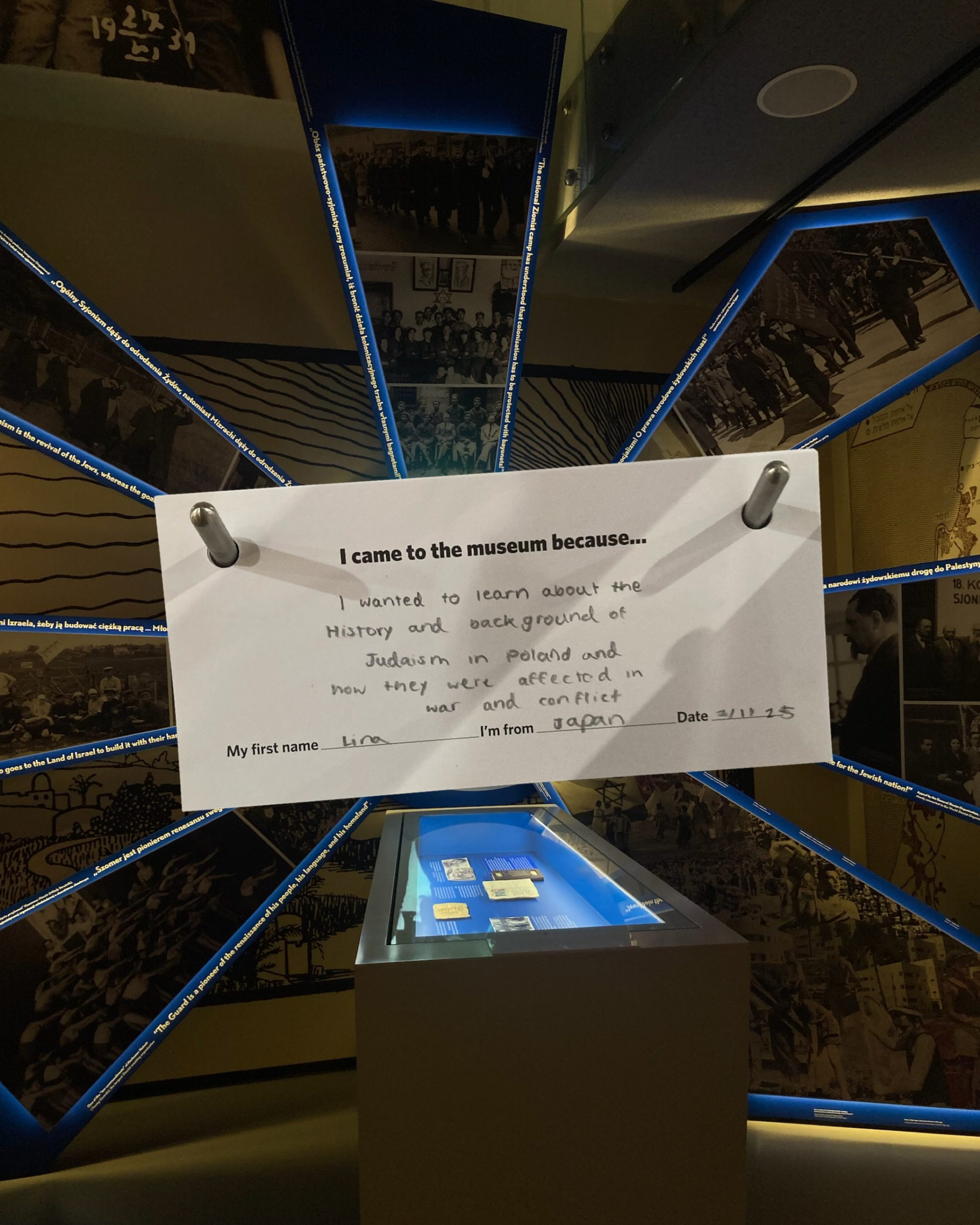
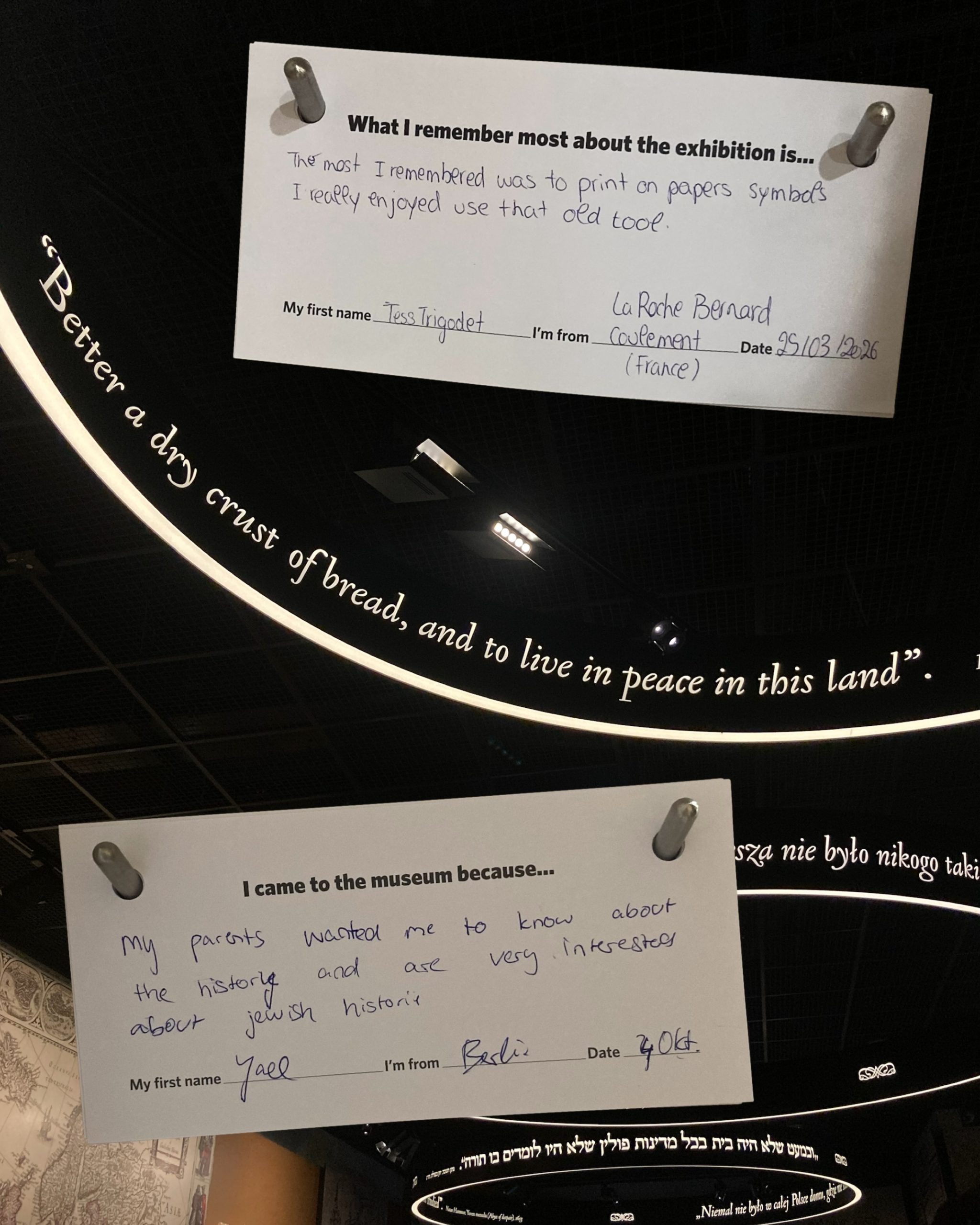
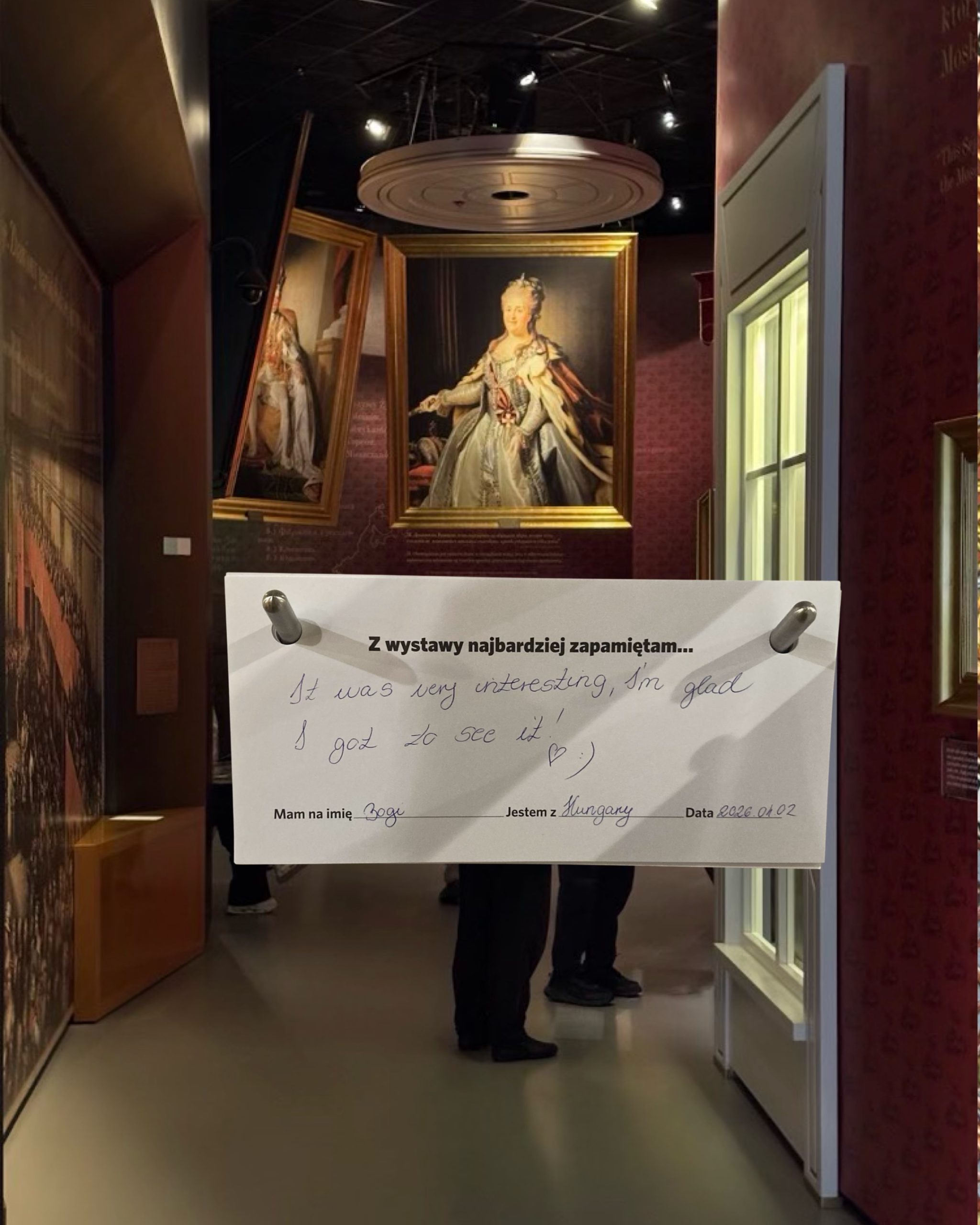
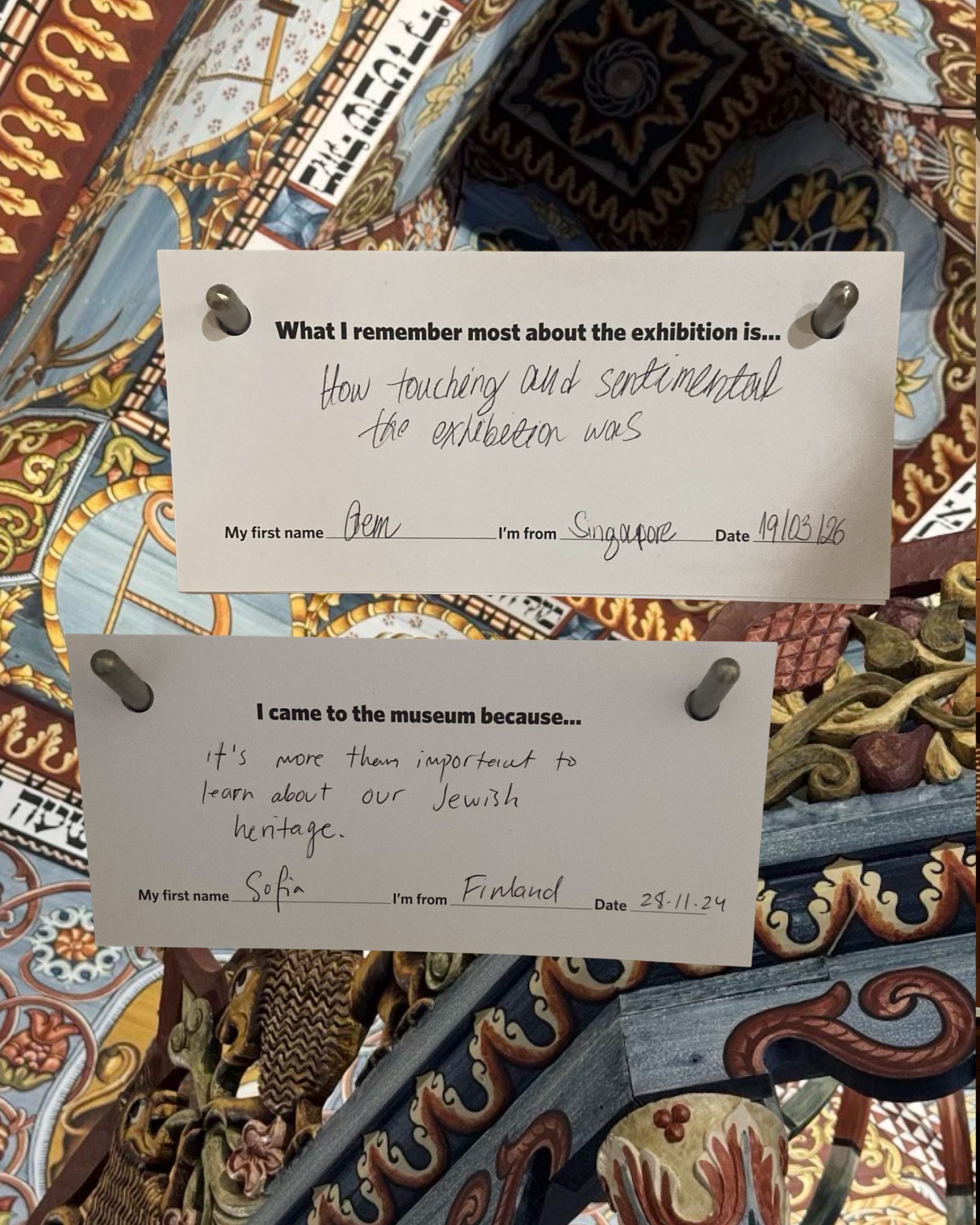
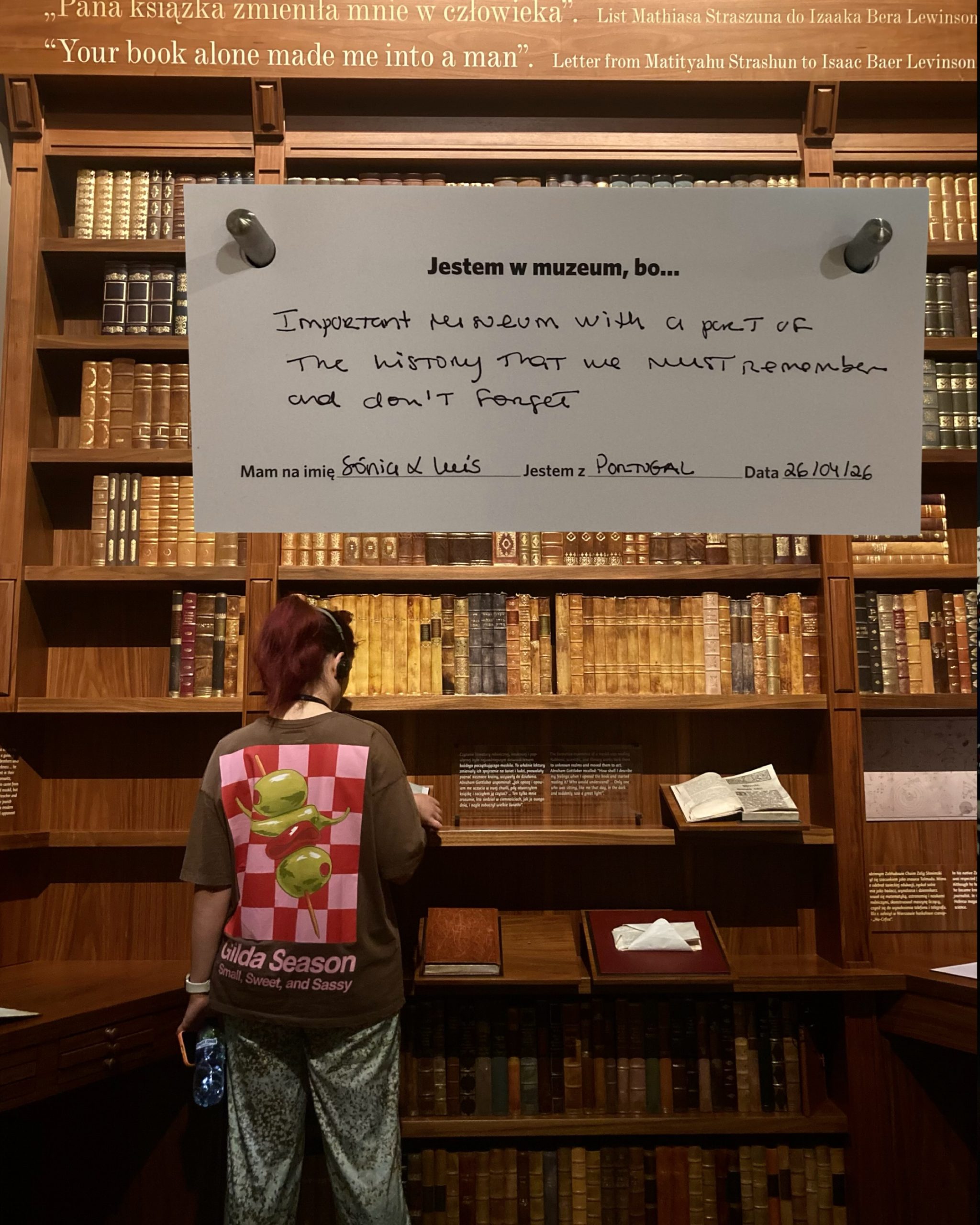
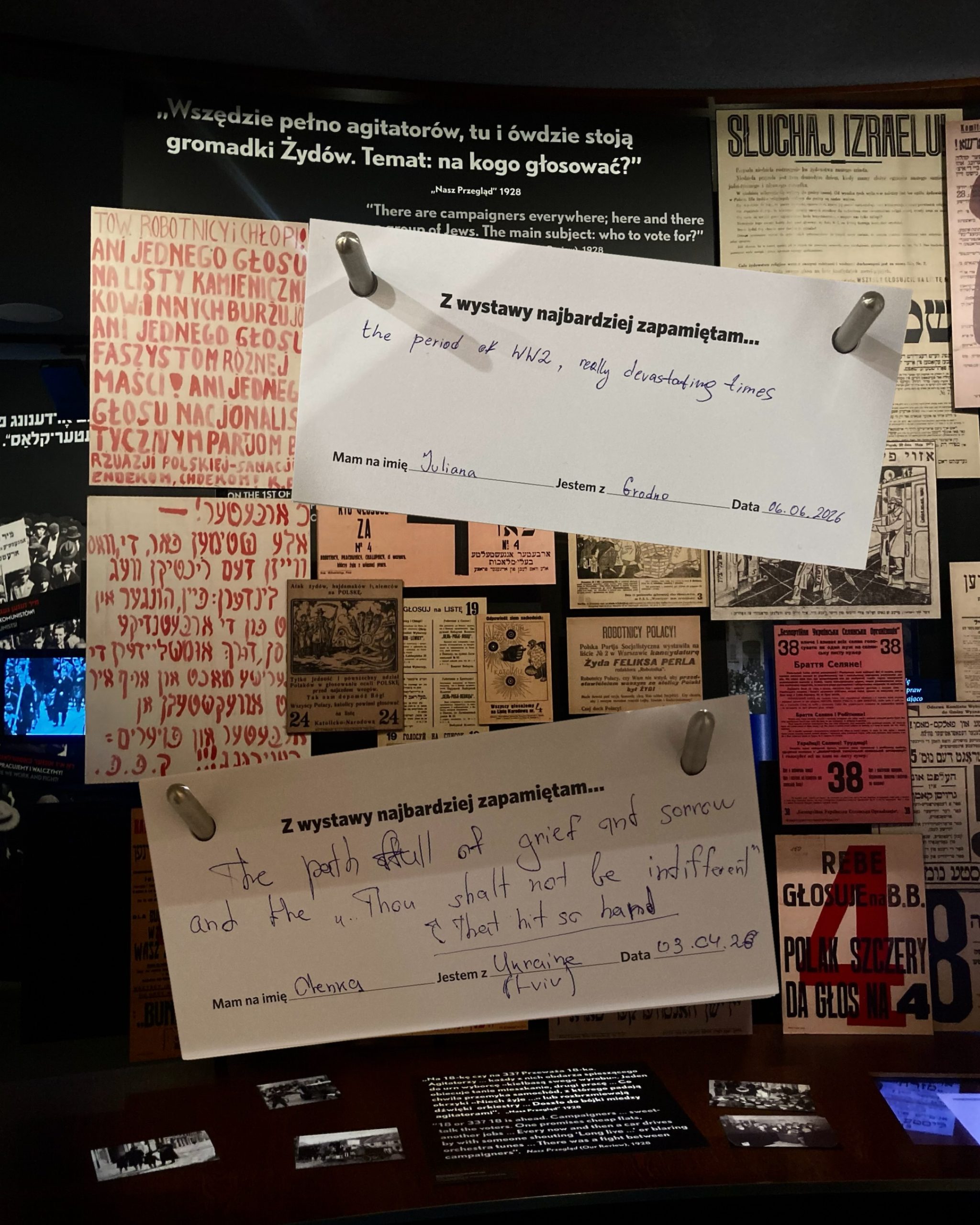
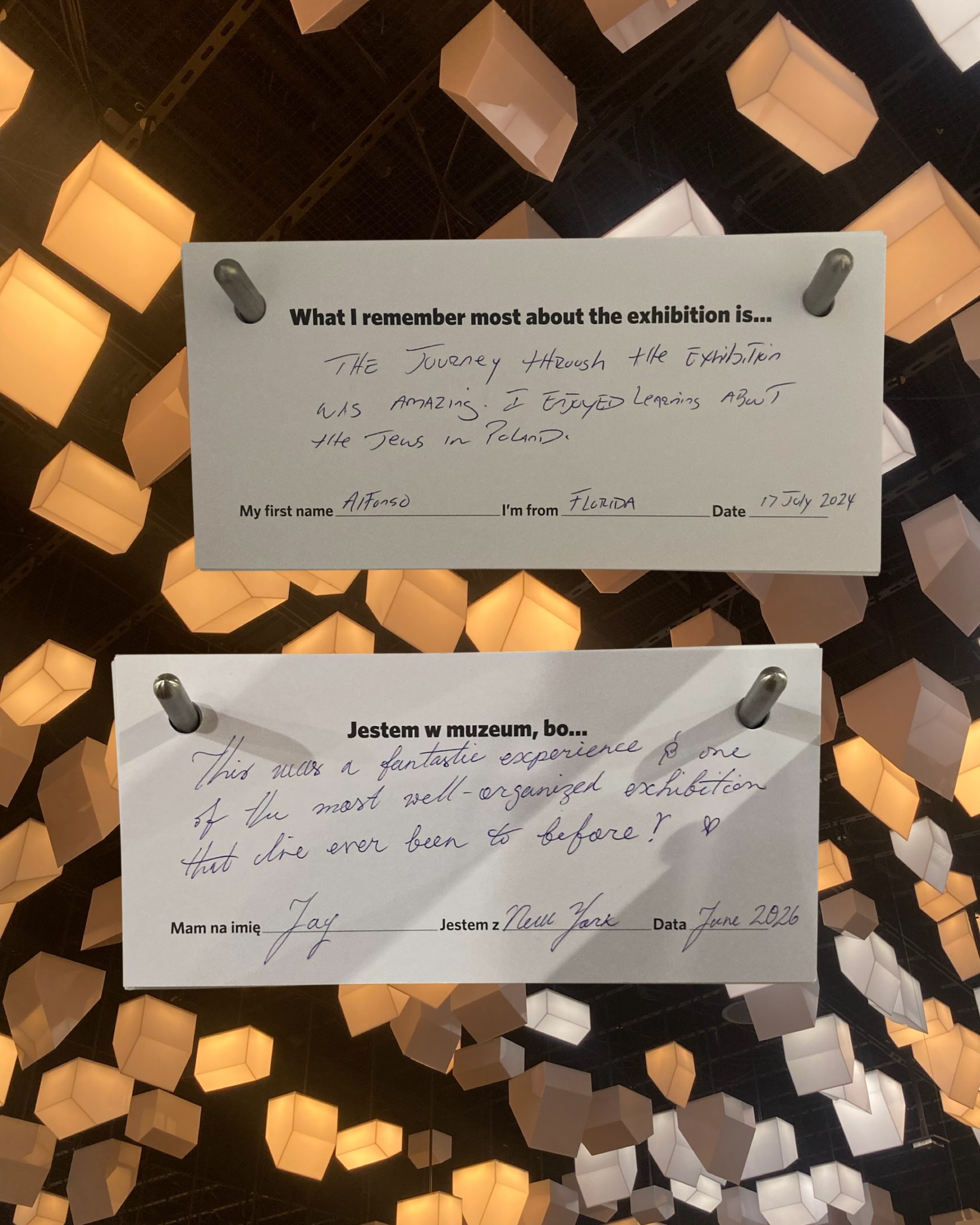
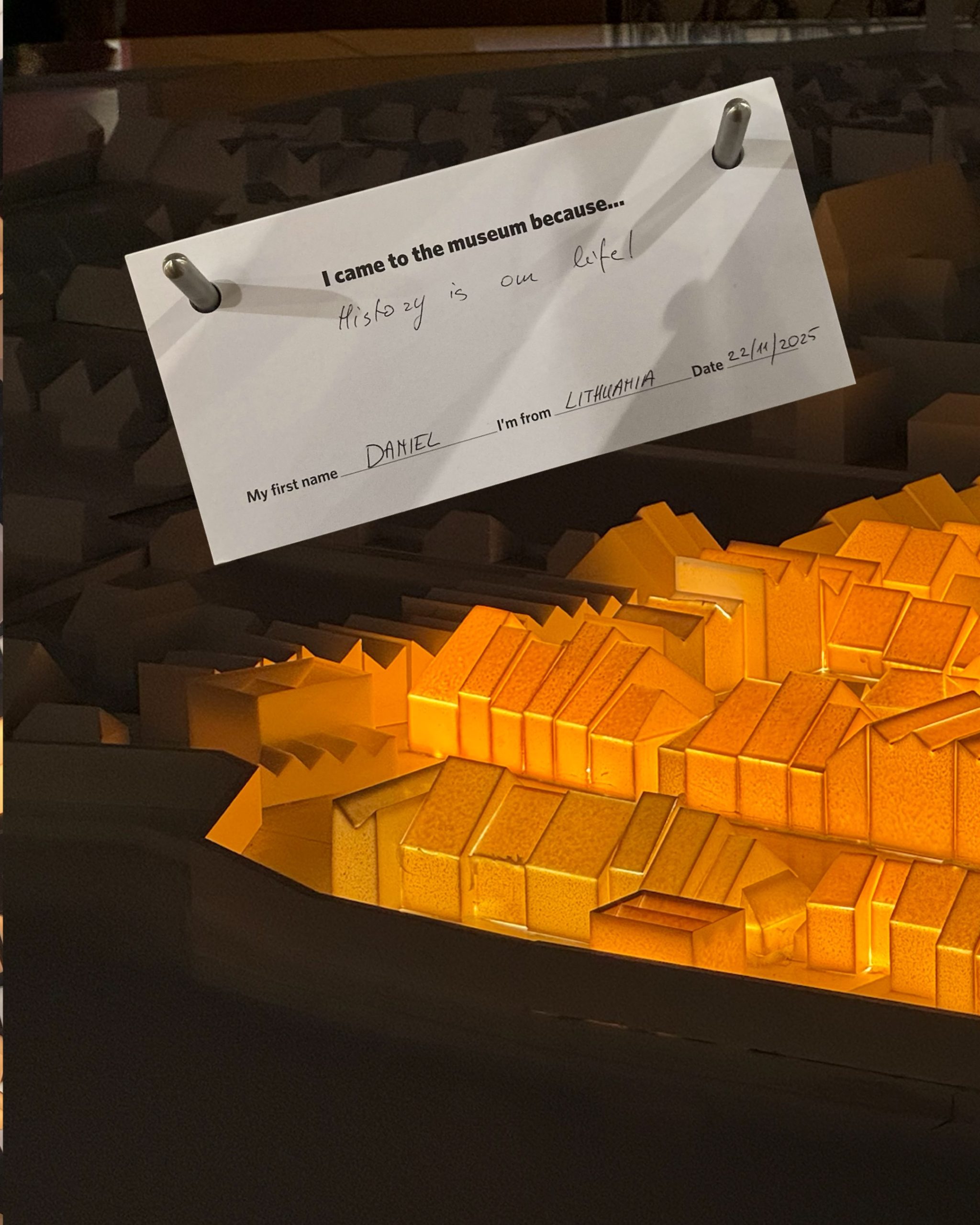
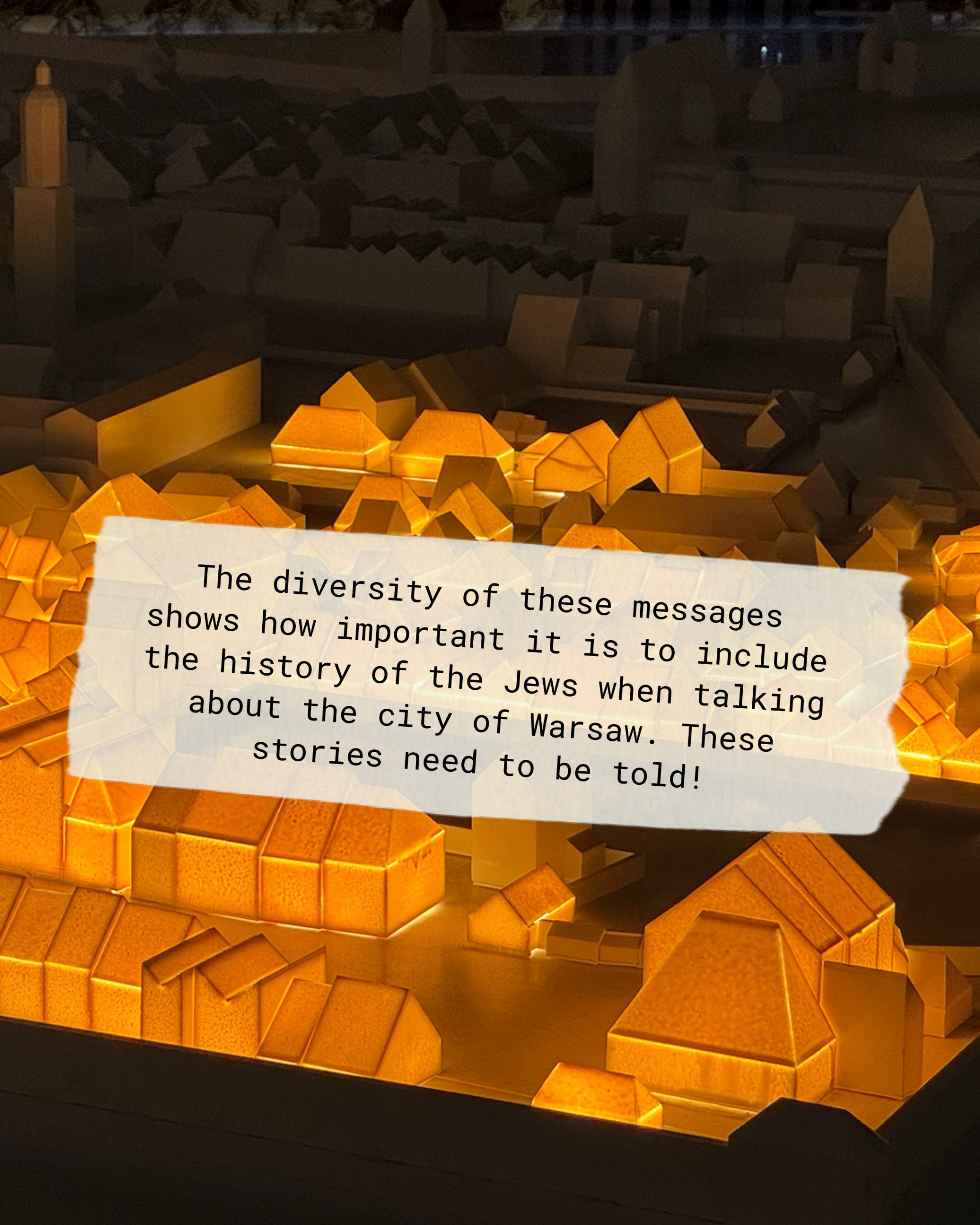
While walking towards the end of the exhibiton at @polinmuseum, our group noticed an intriguing stand with small postcard-like papers. When we approached them, we found out they were messages left by actual visitors of the museum, sharing thoughts and impressions of the exhibition. We thought these pieces of paper demonstrate Warsaw’s diversity perfectly as we could see the different countries people came from to visit and make conversation about the history of the Jews in Poland and in Warsaw.
#polinmuseum #warsaw #culturaldiversity

Group 5. Post-war Warsaw. From communism to houses of glass
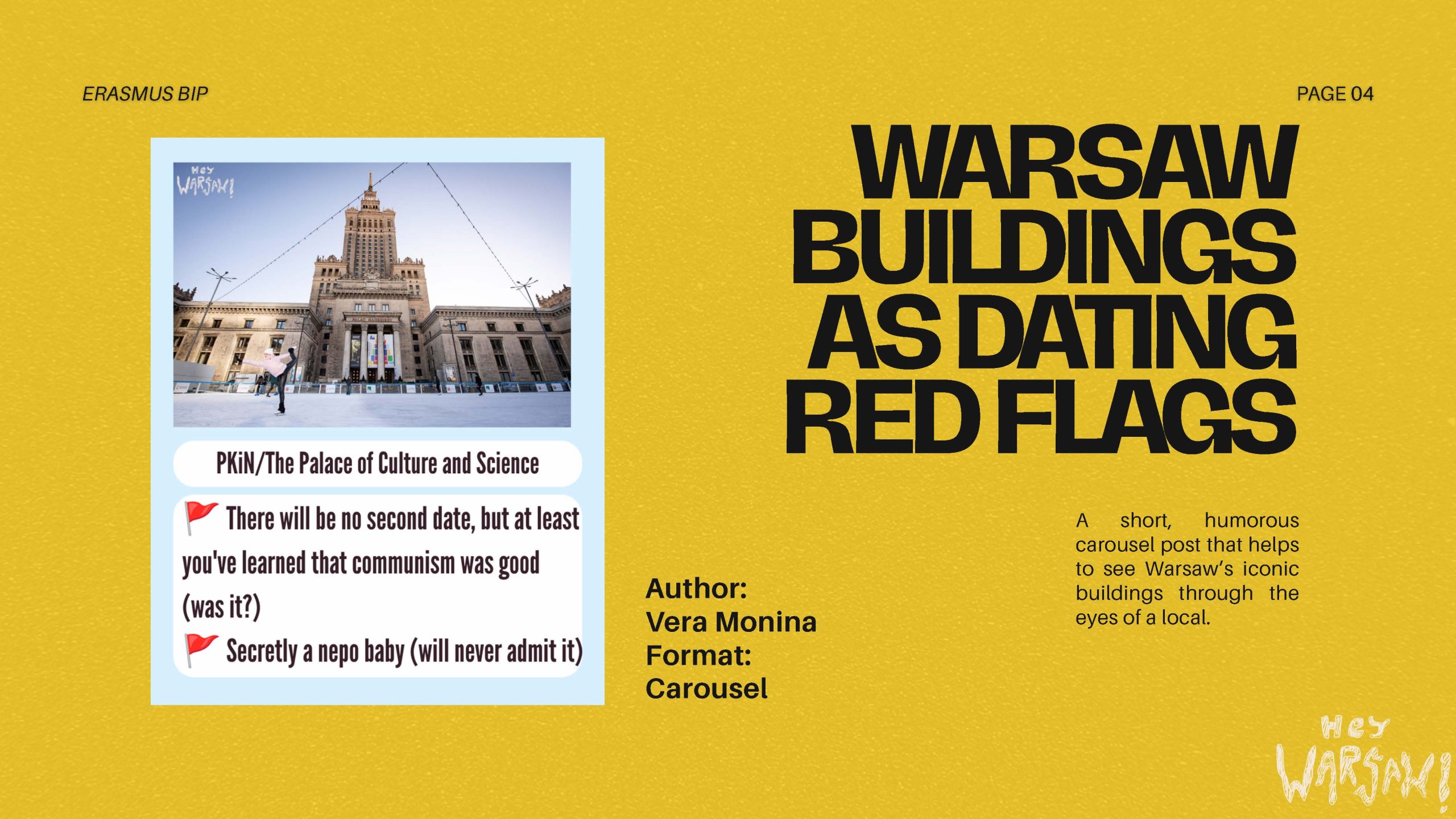
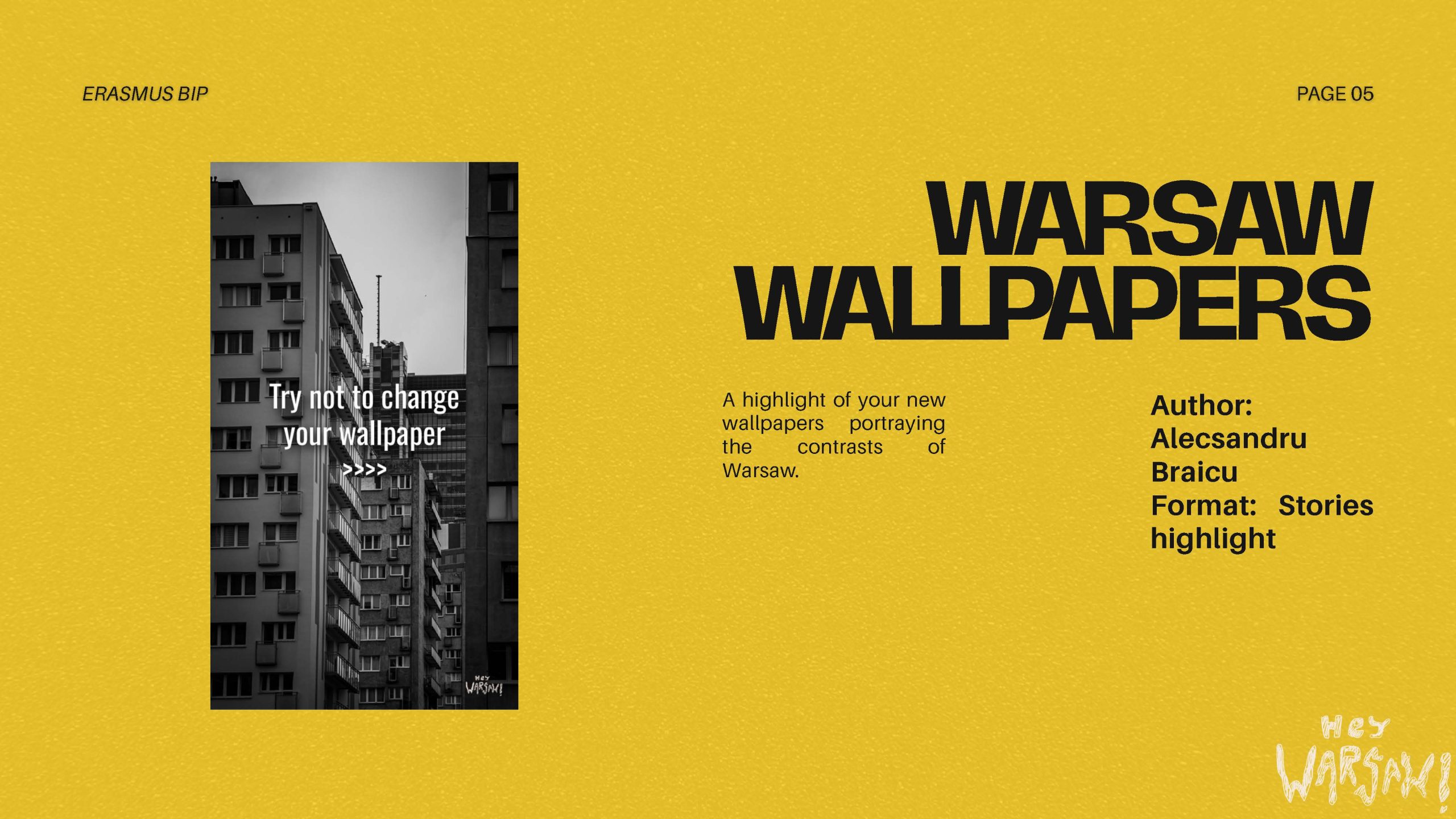
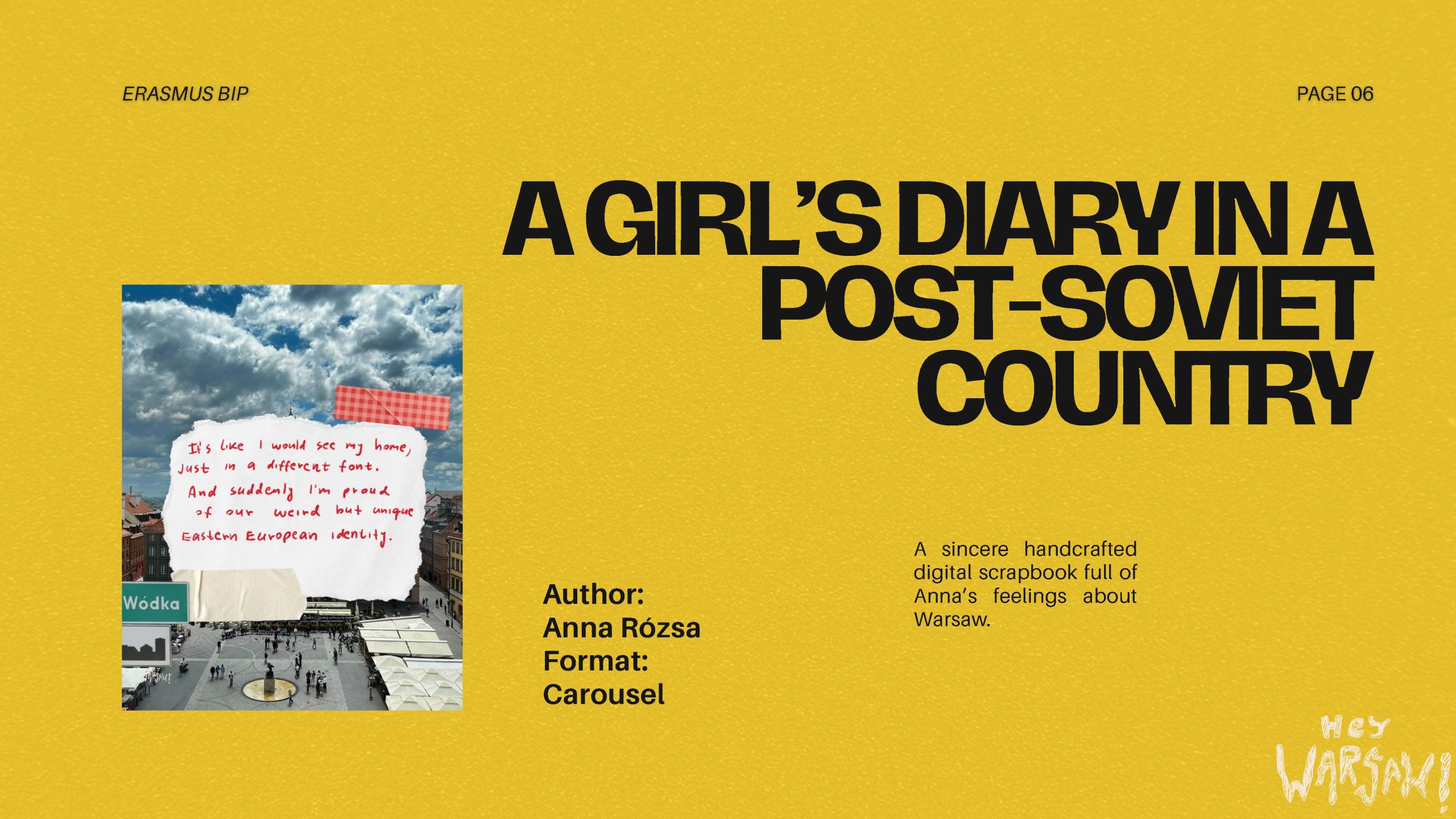
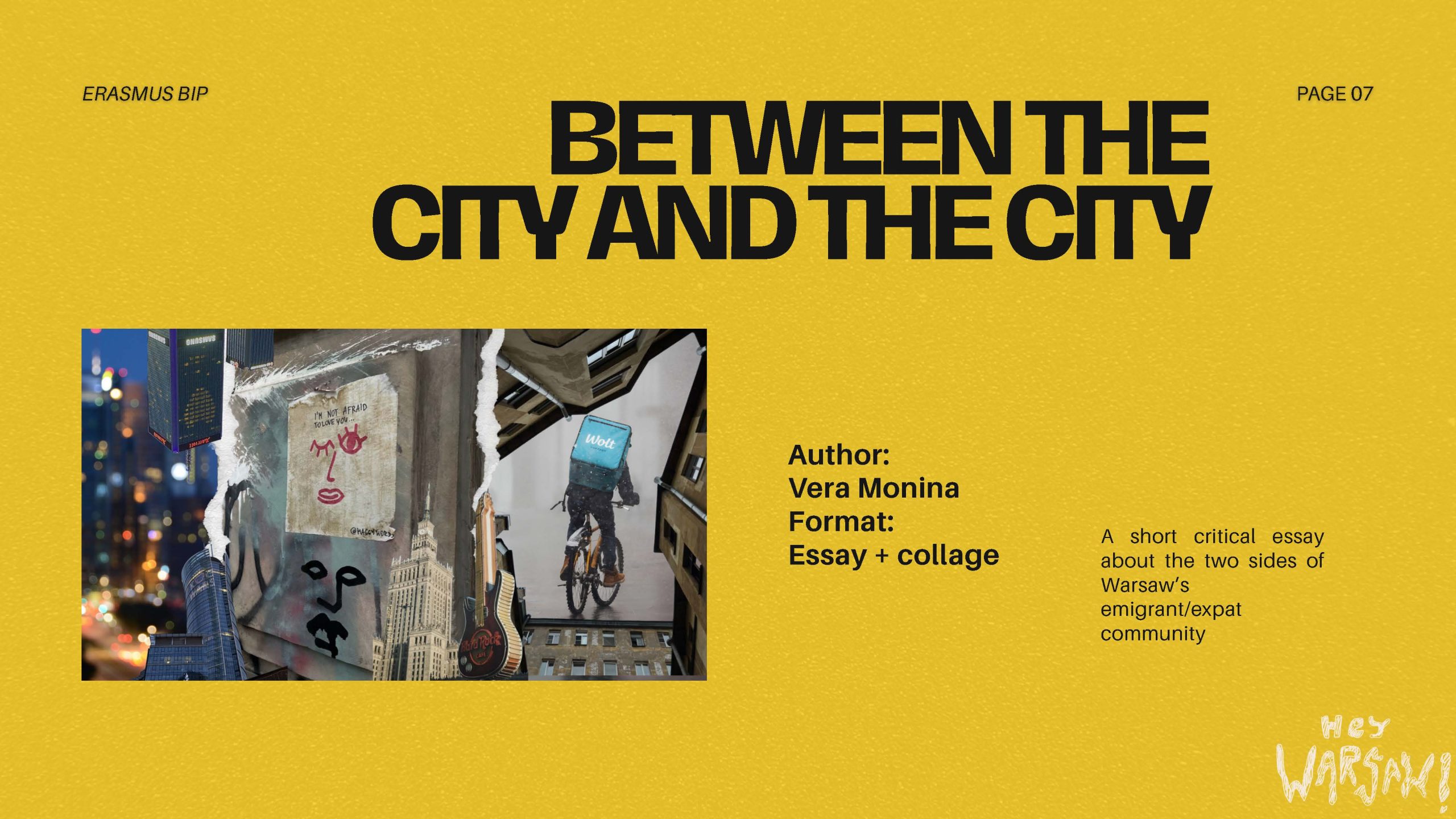
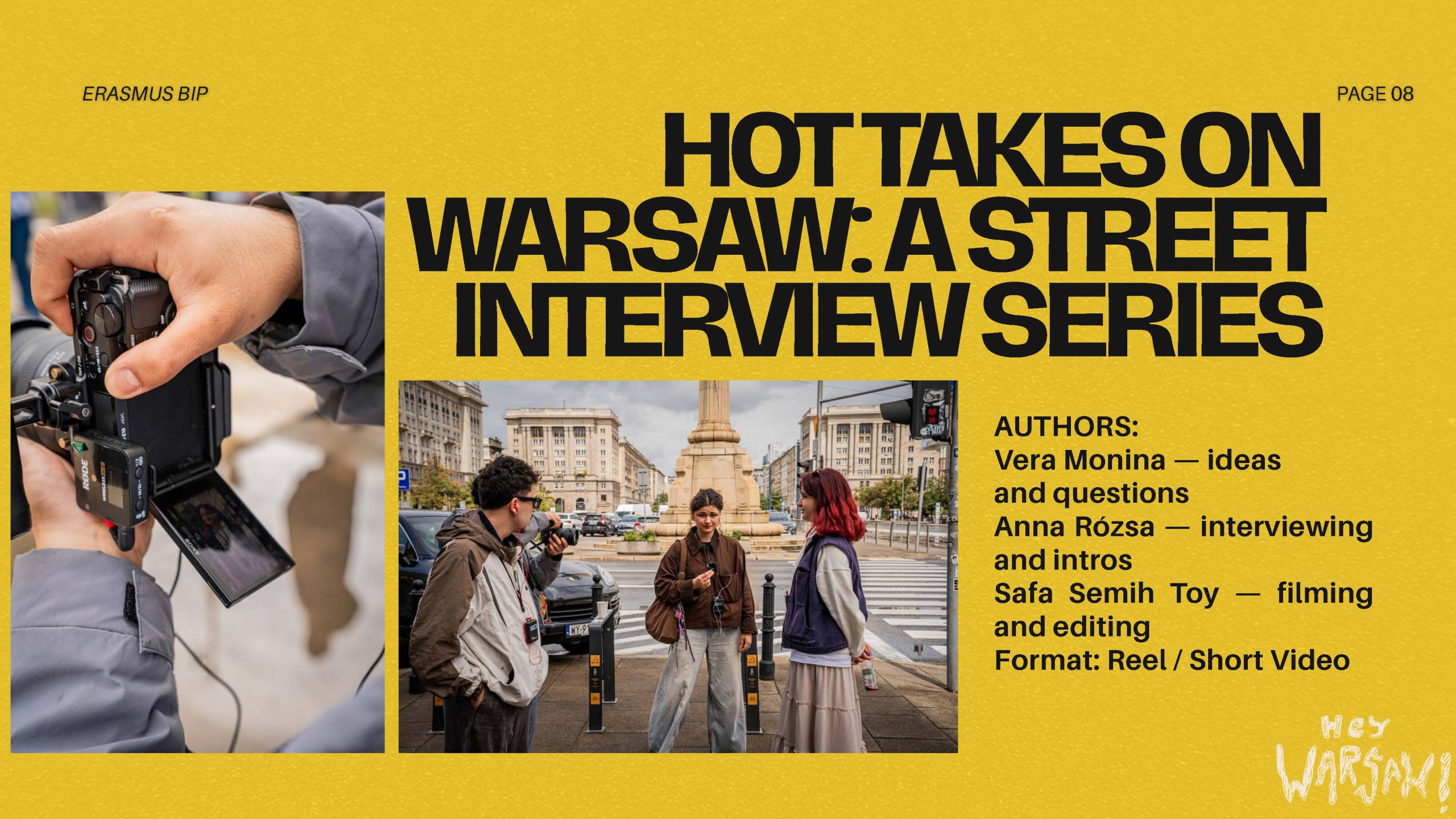
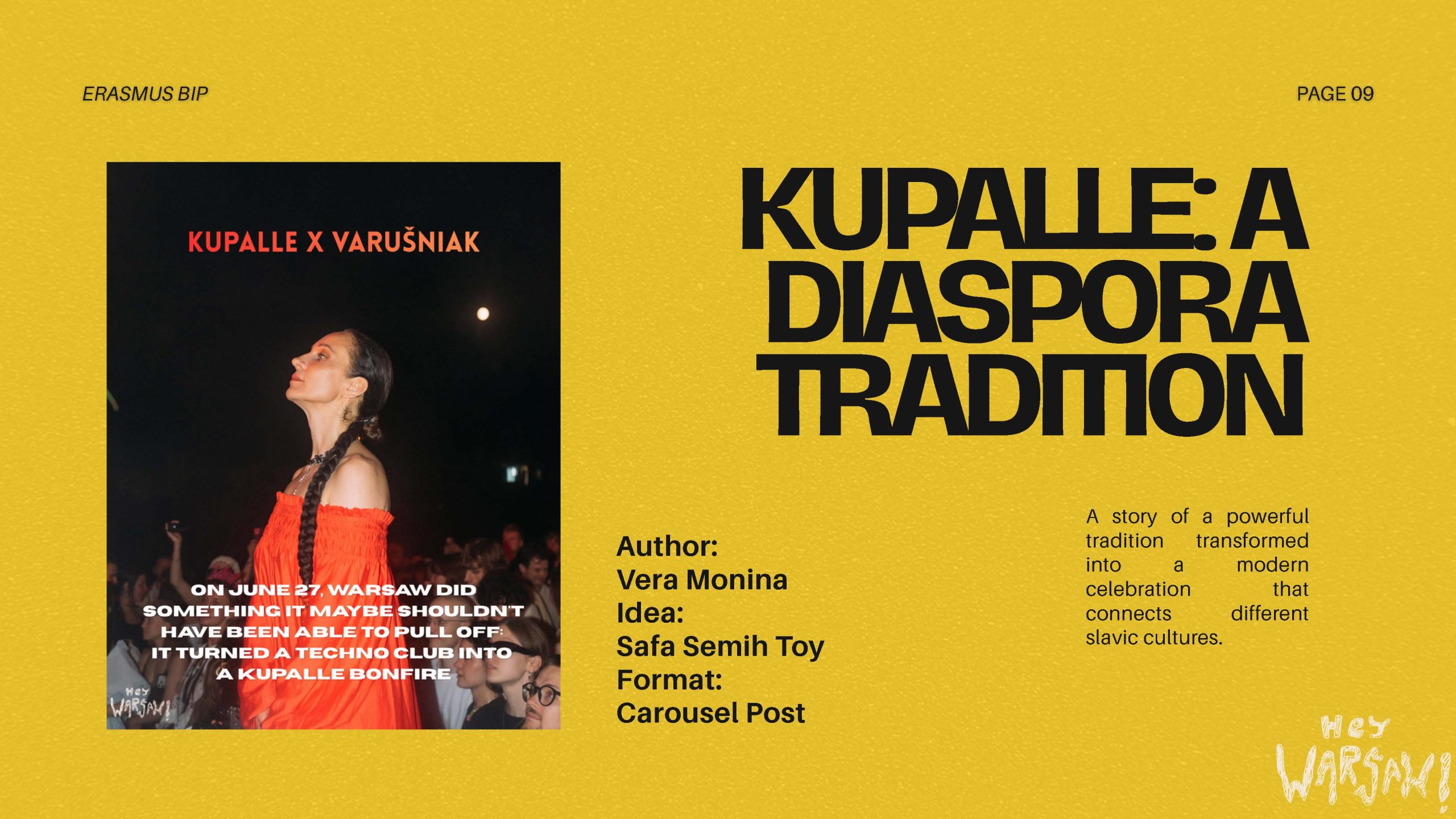
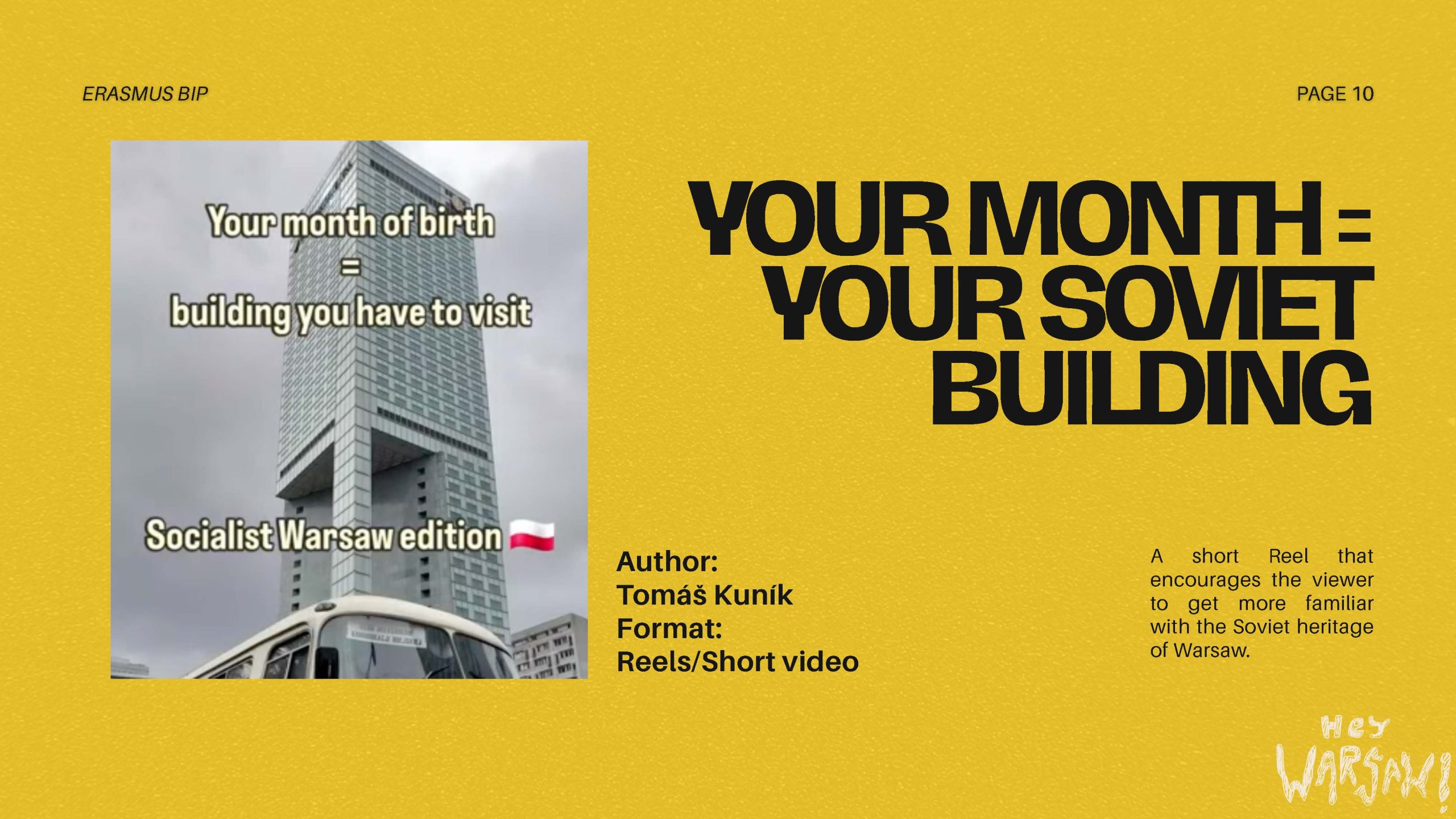
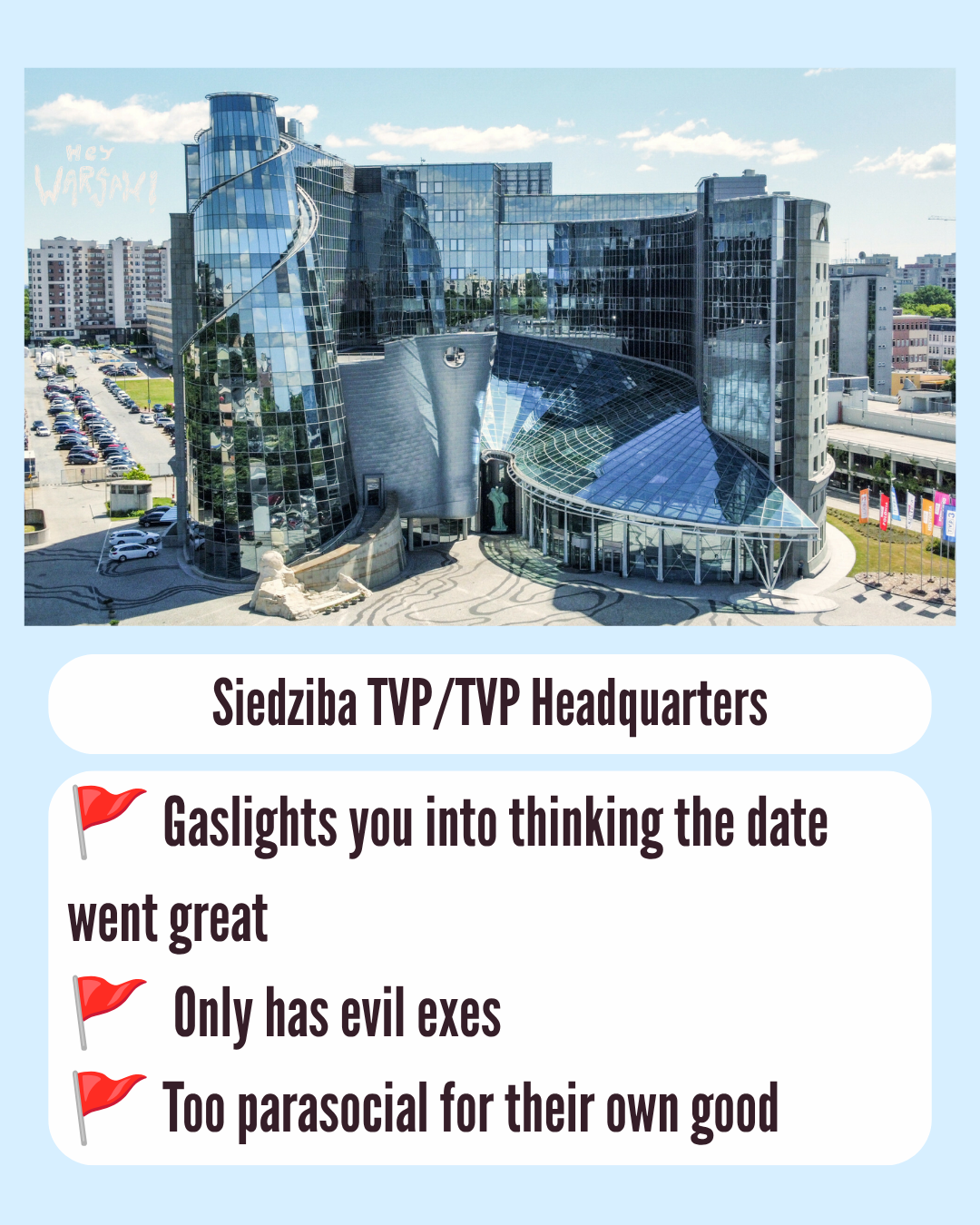
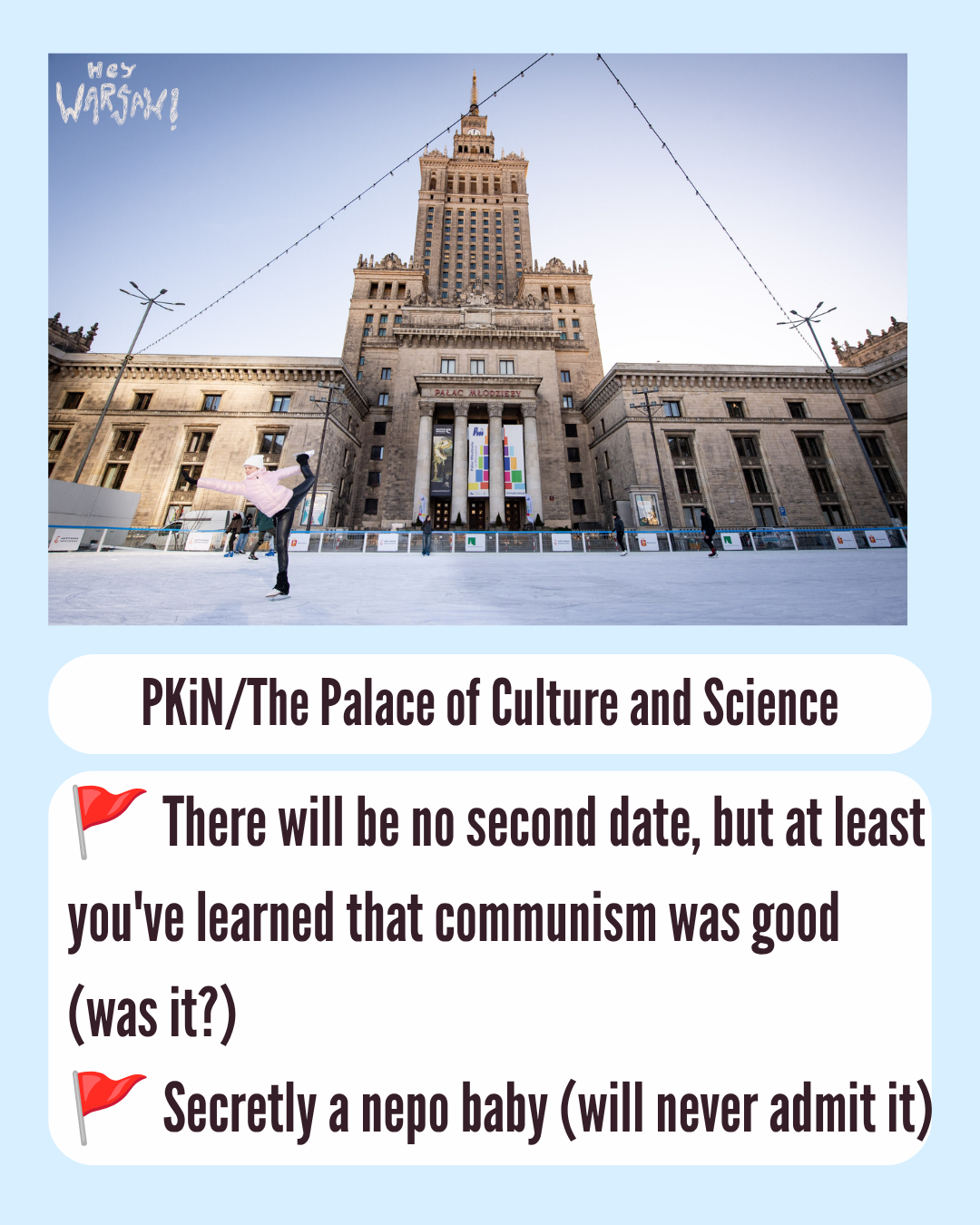
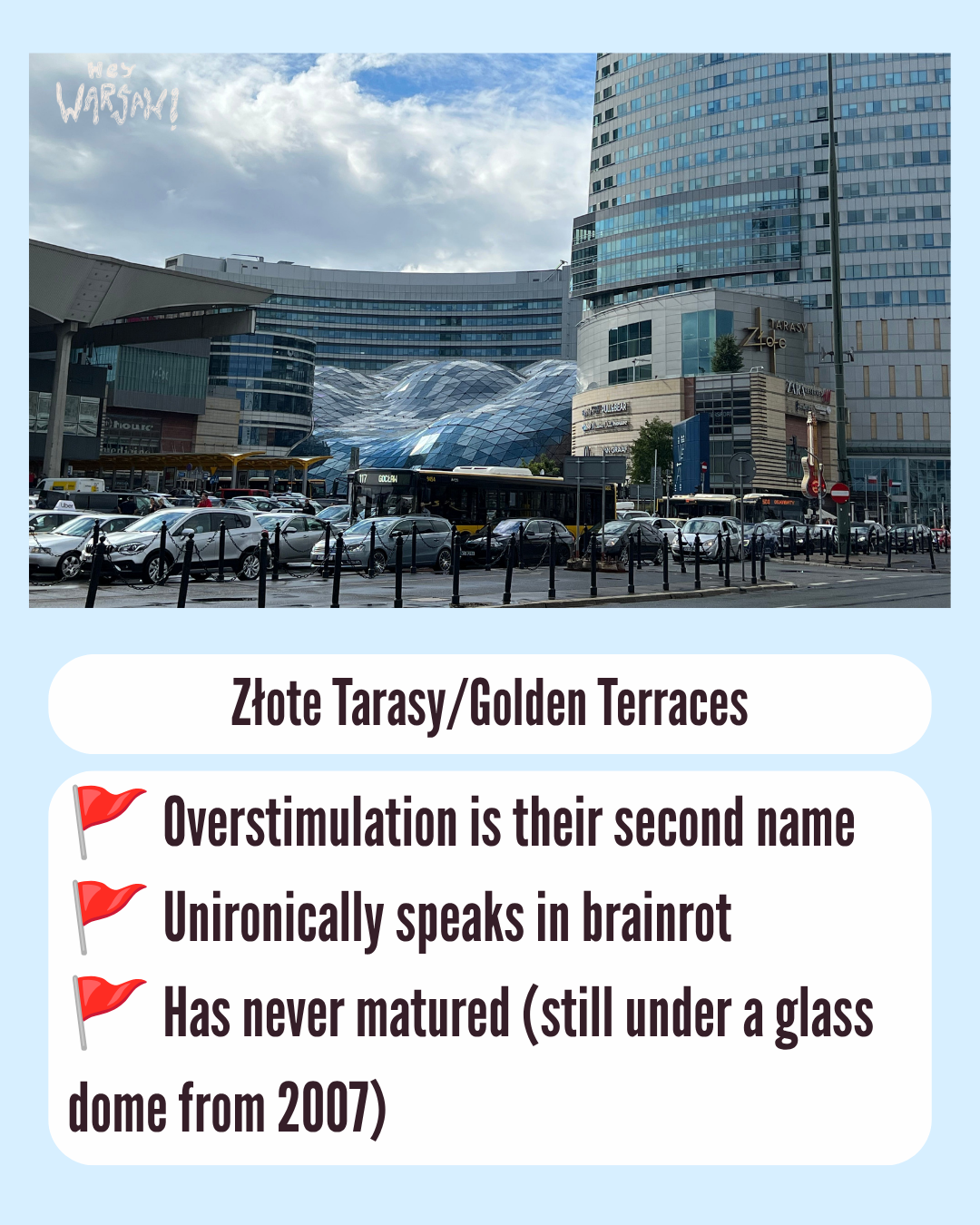
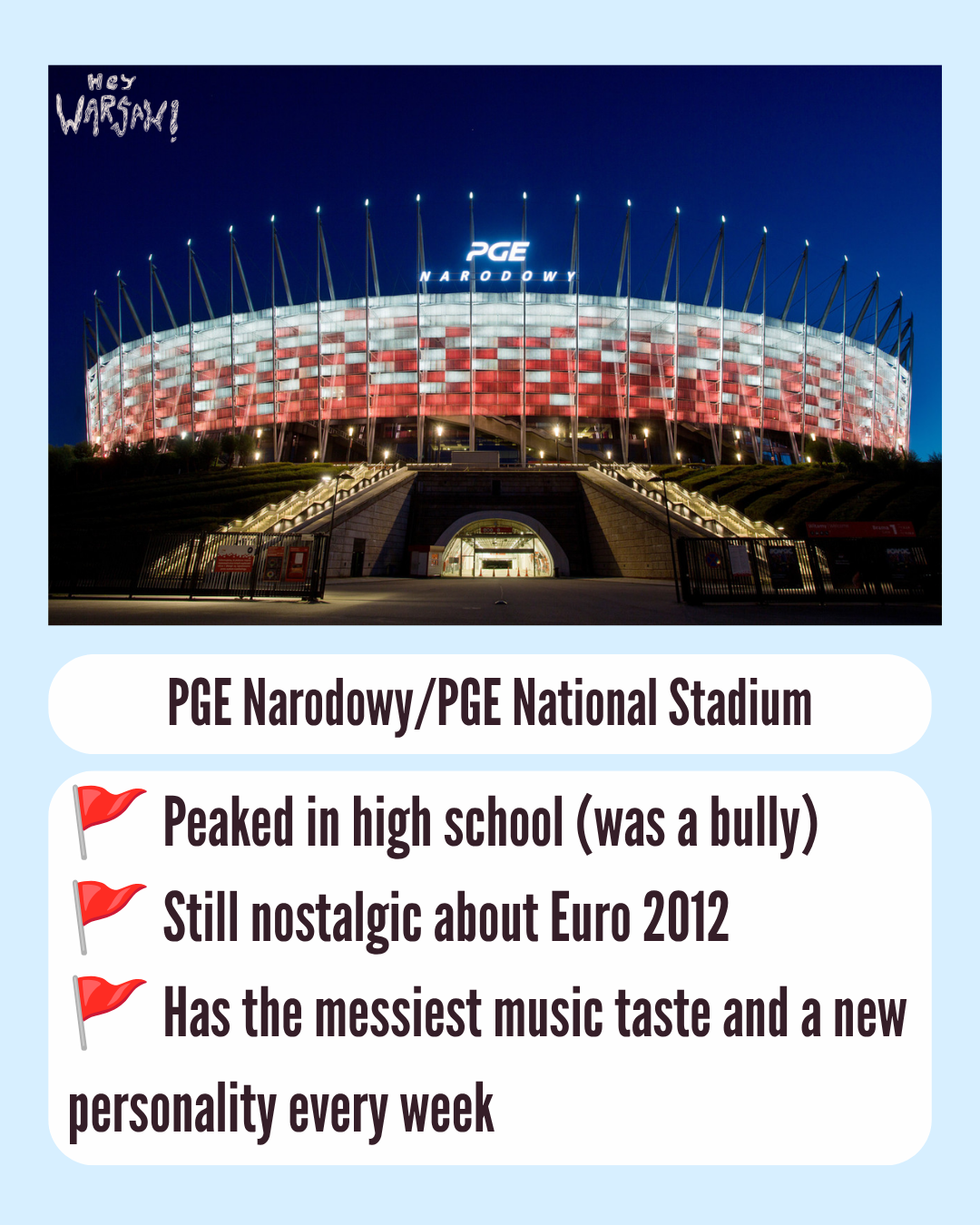
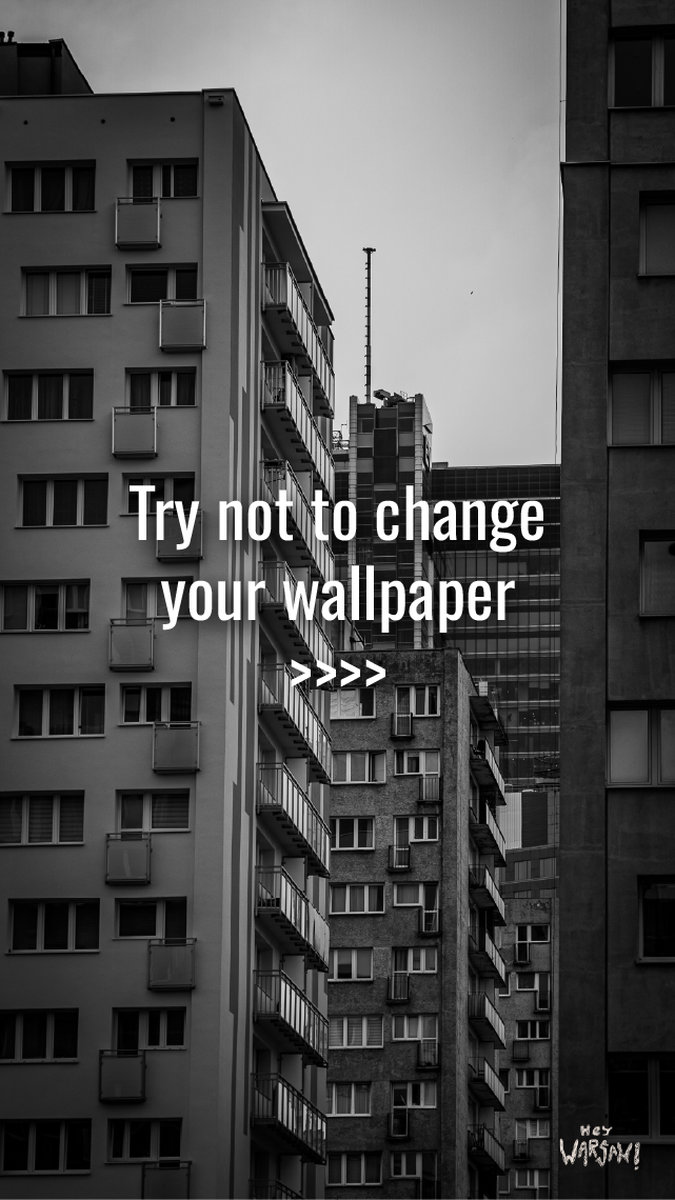
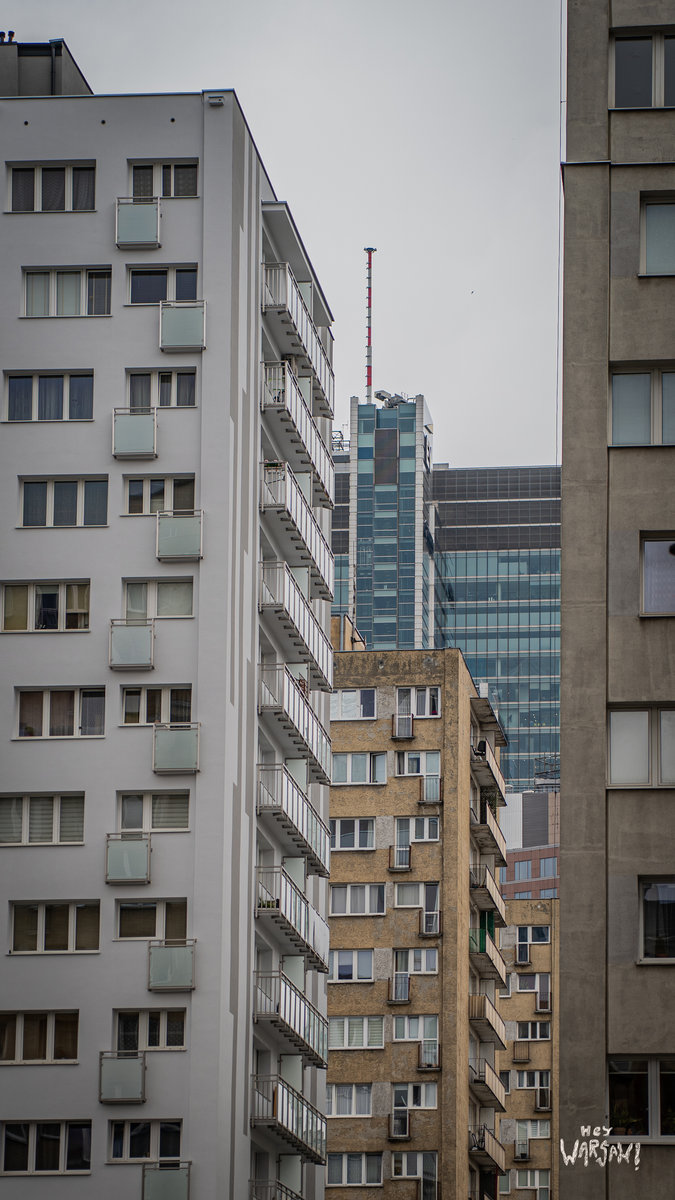
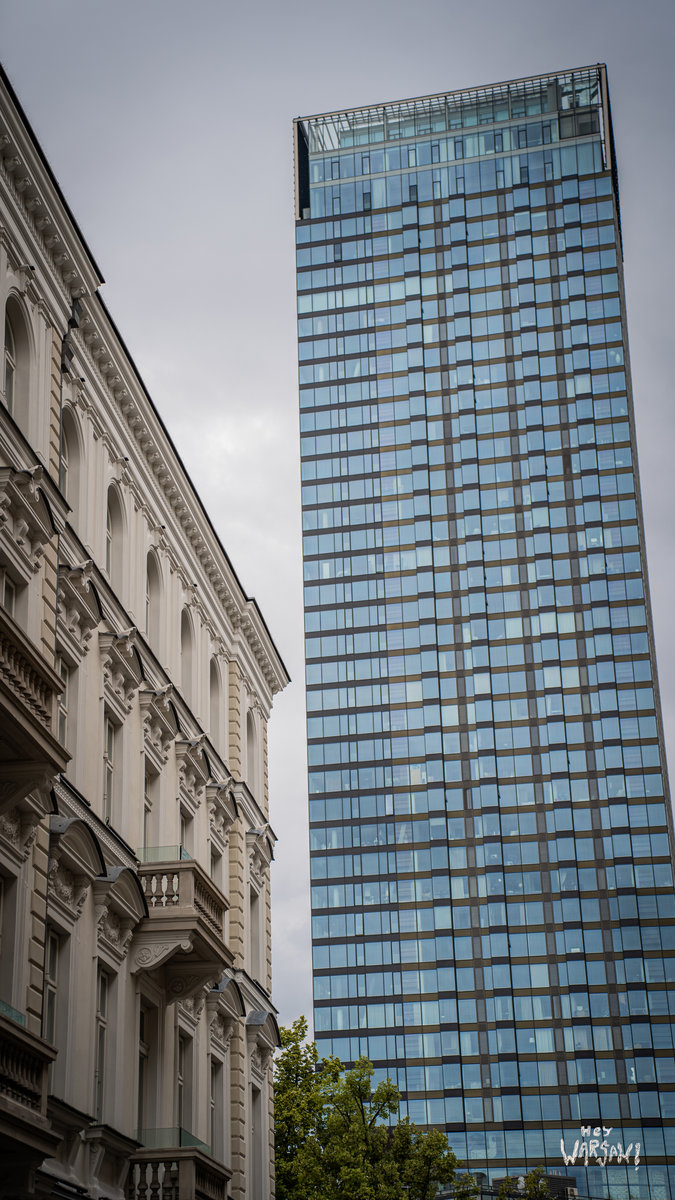
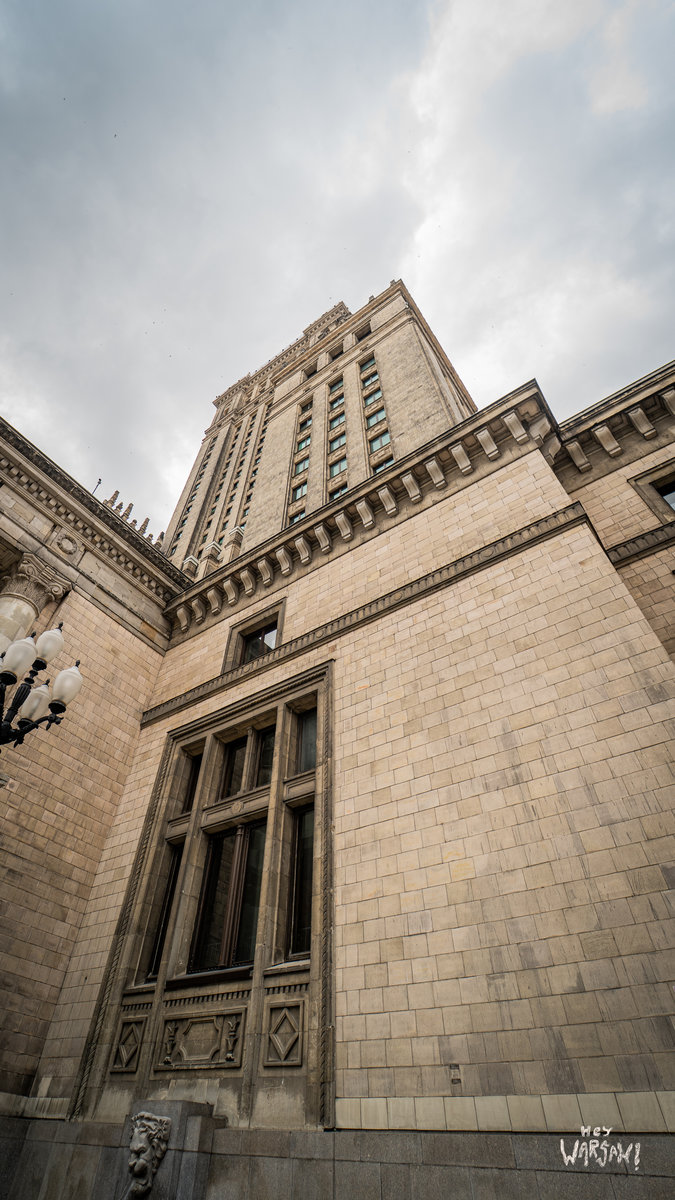
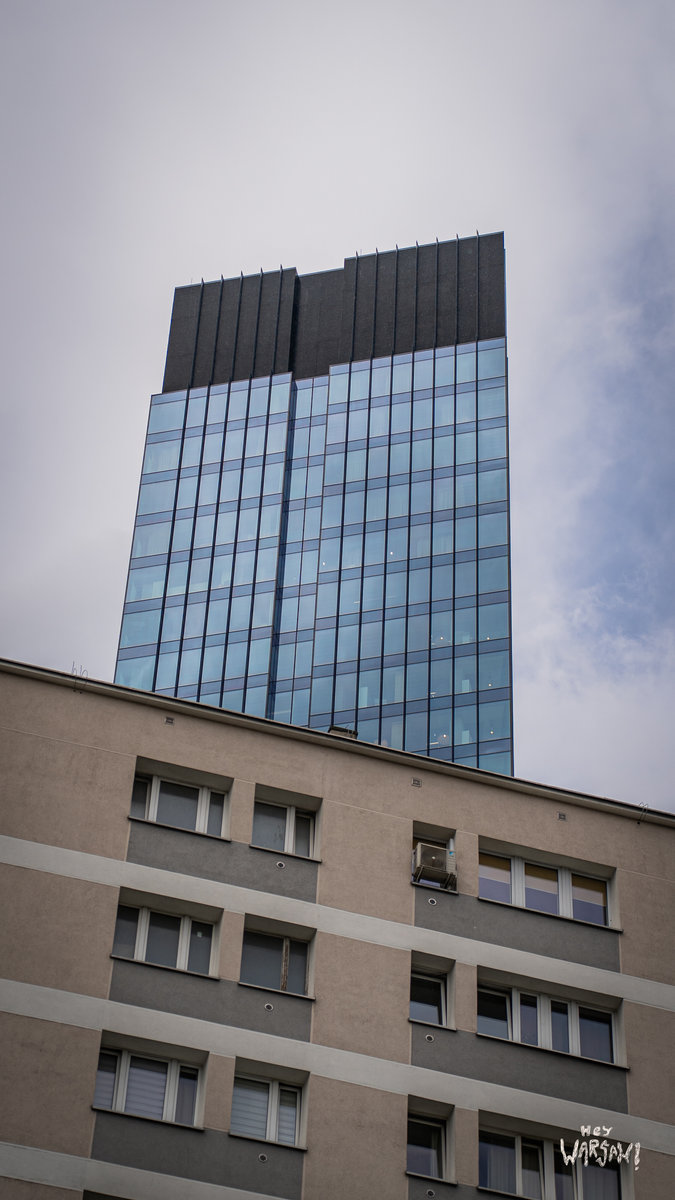
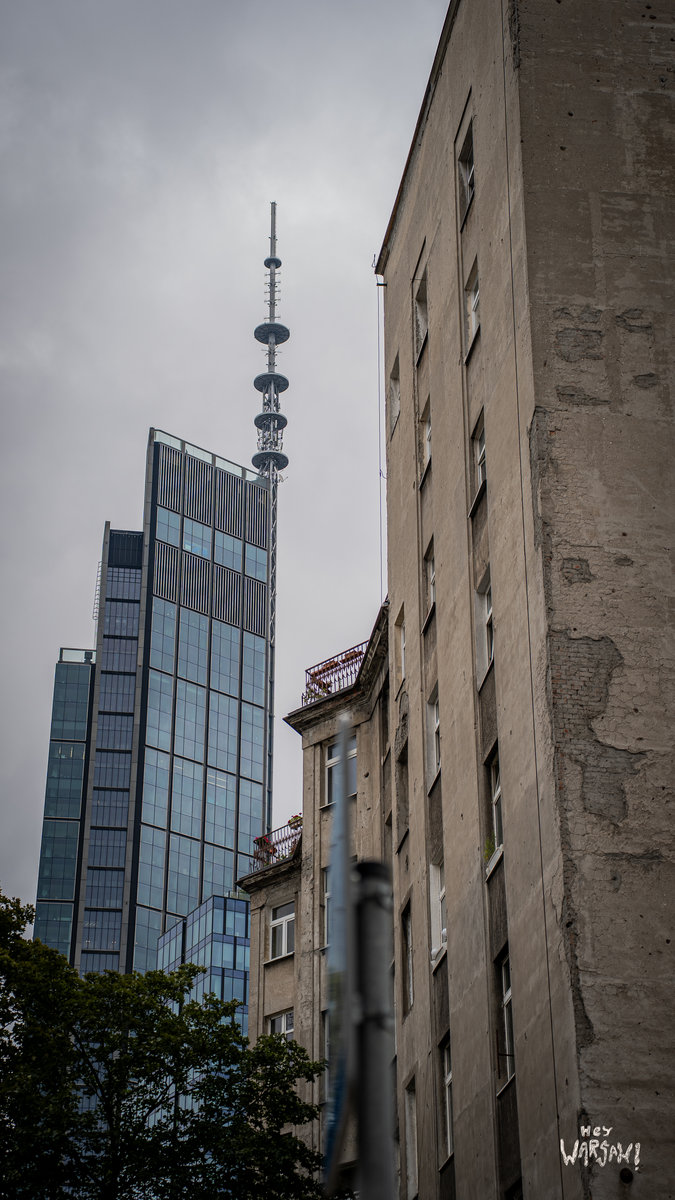
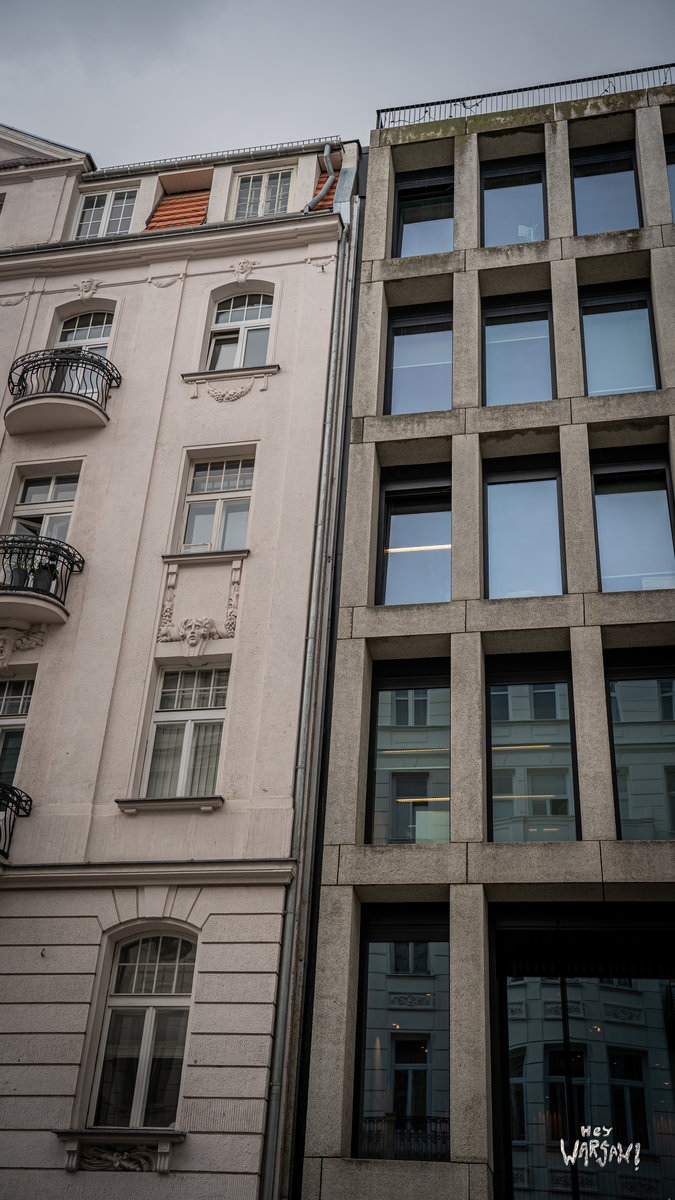
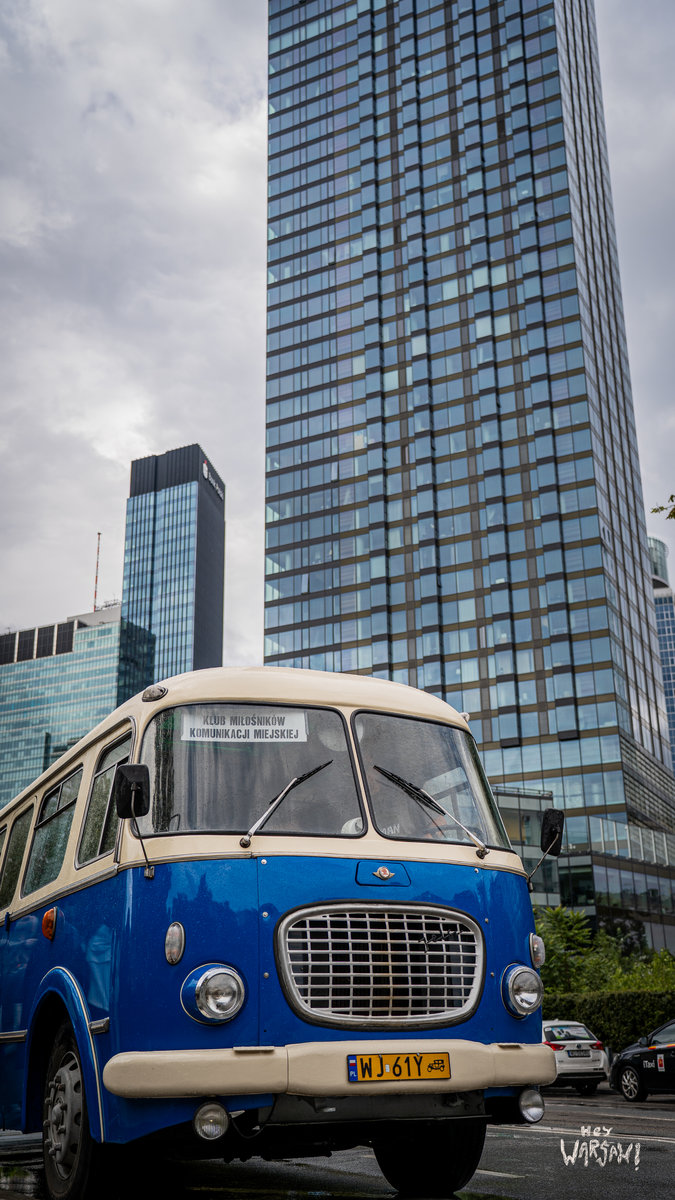
Warsaw’s dating market is a real torture, so you might as well date buildings. But what if we told you they also have their red flags?
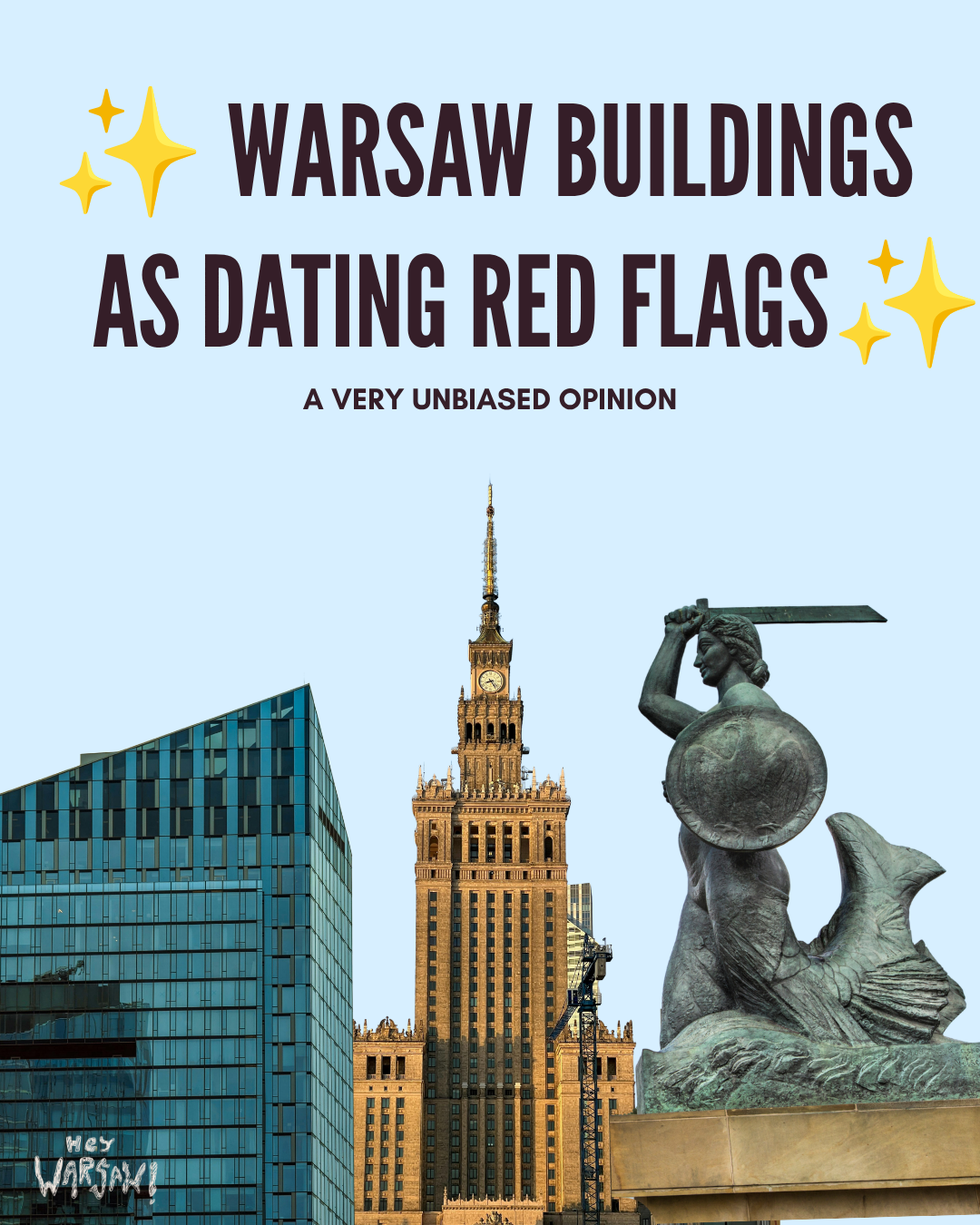
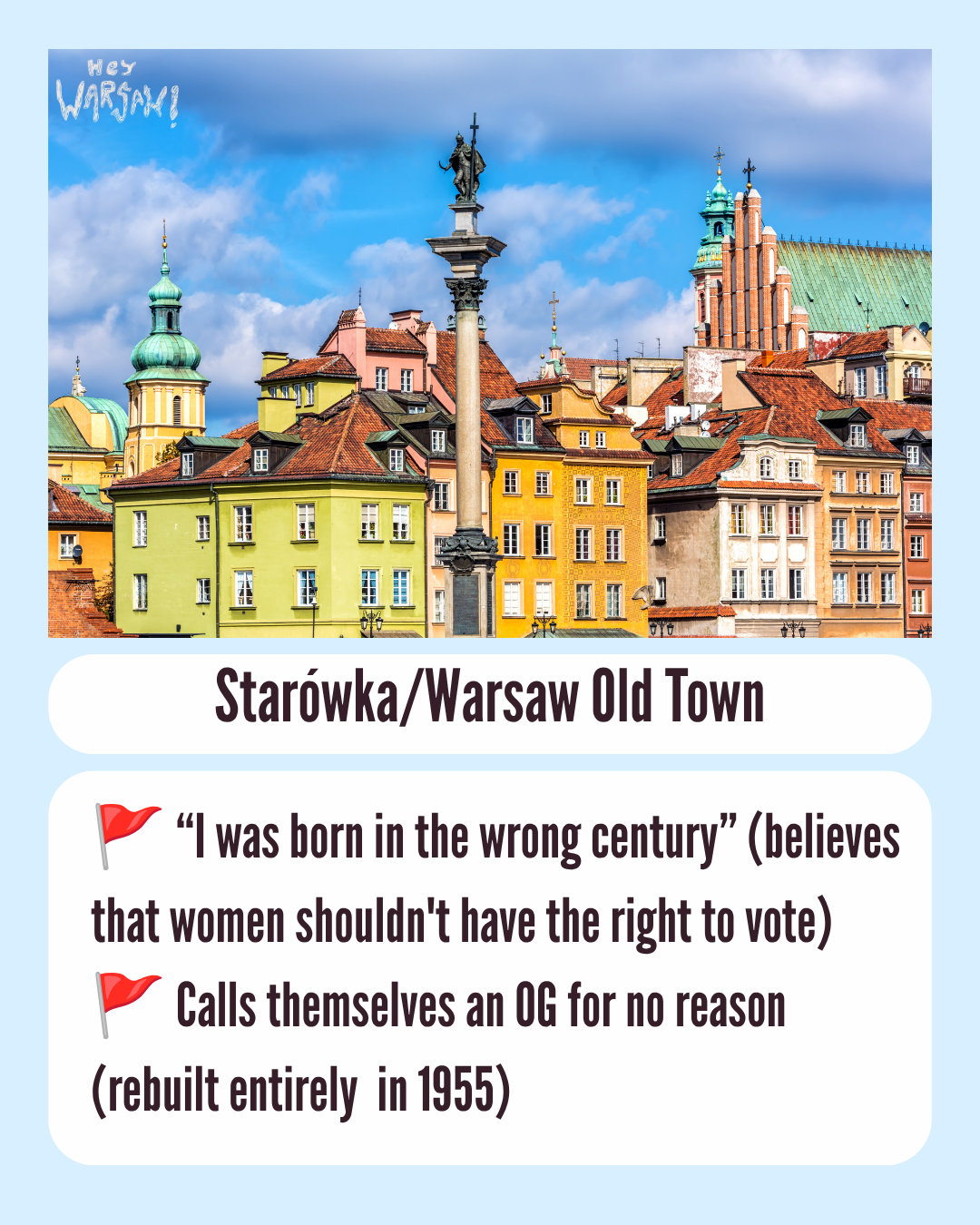
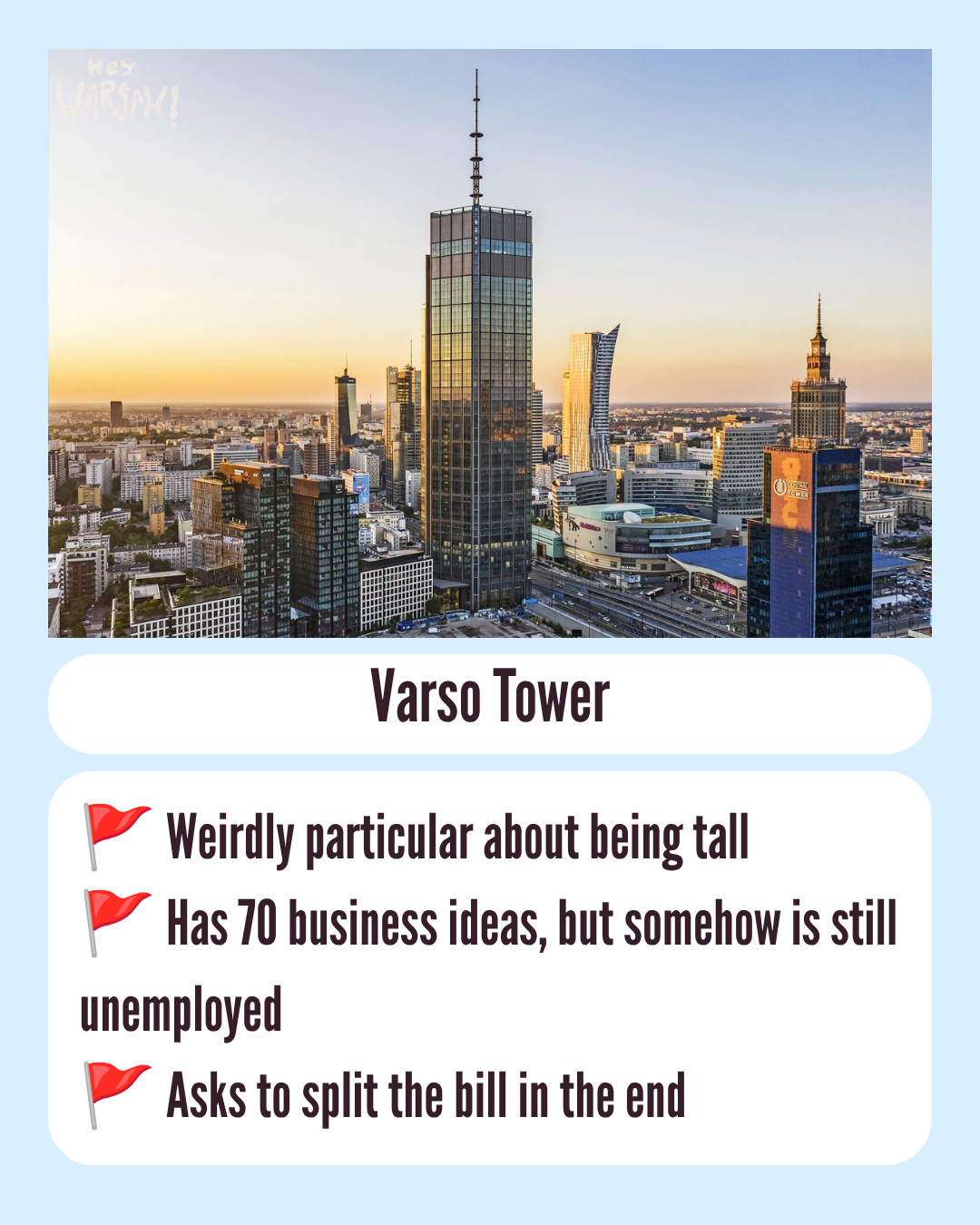
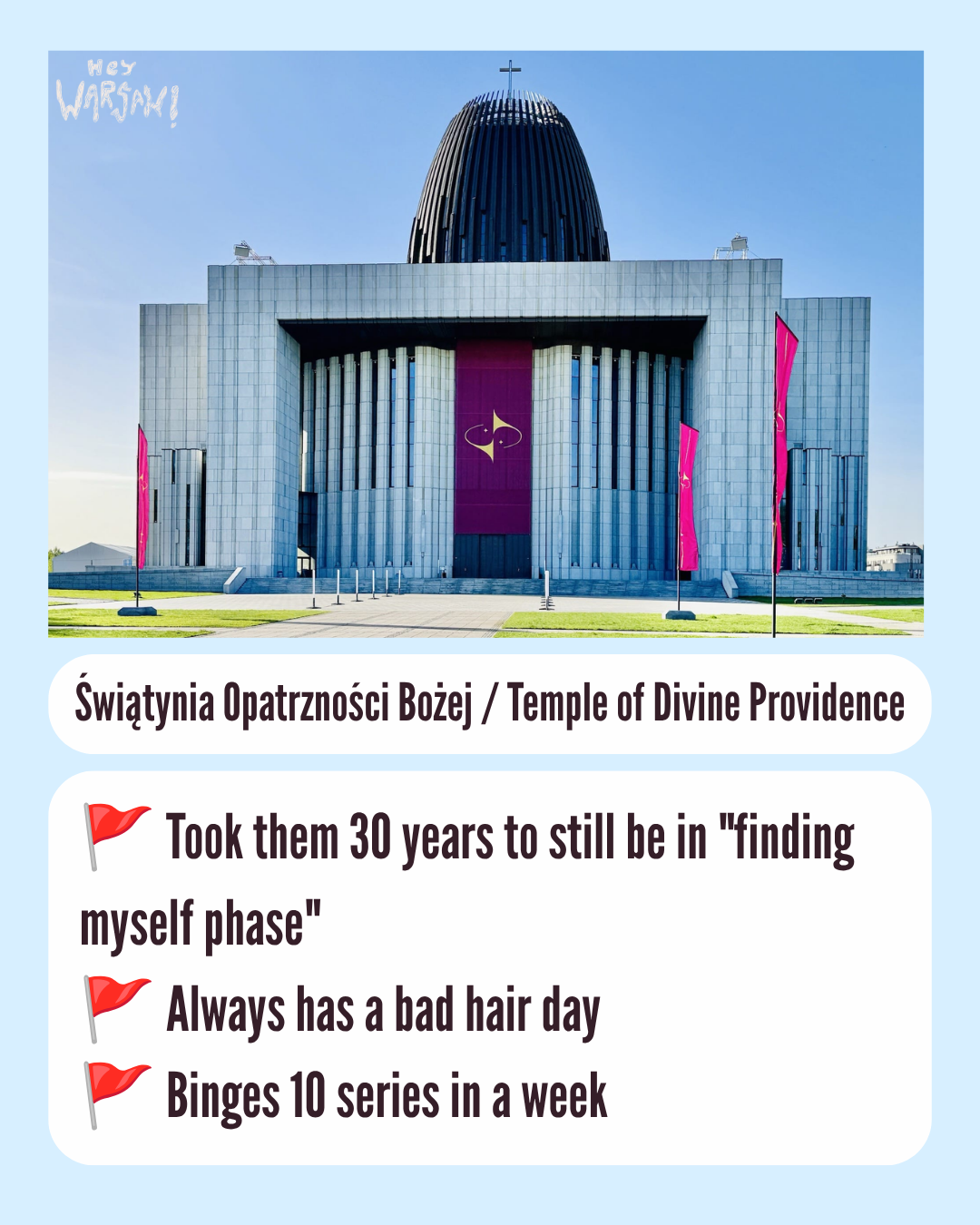
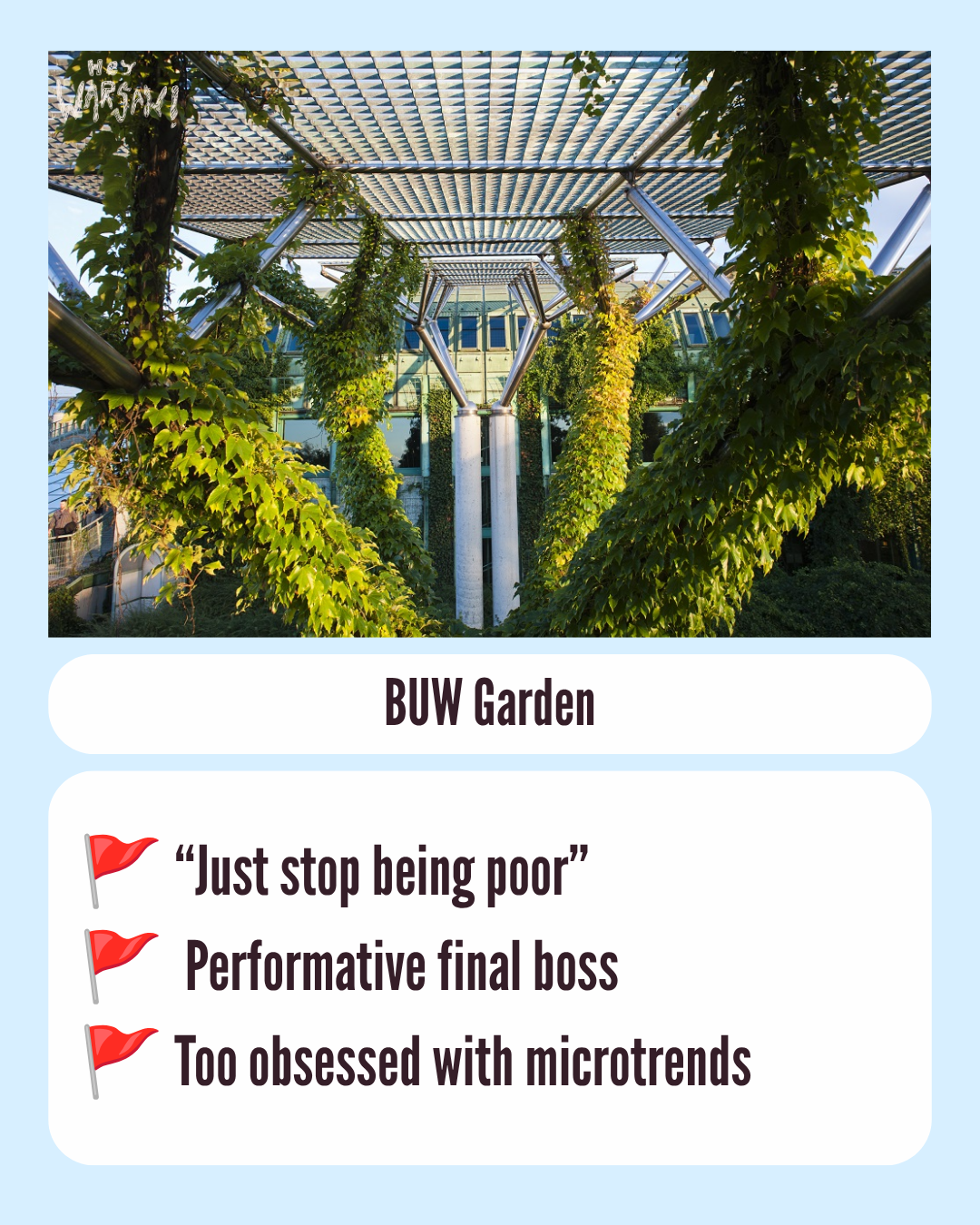
The contrasts of Warsaw
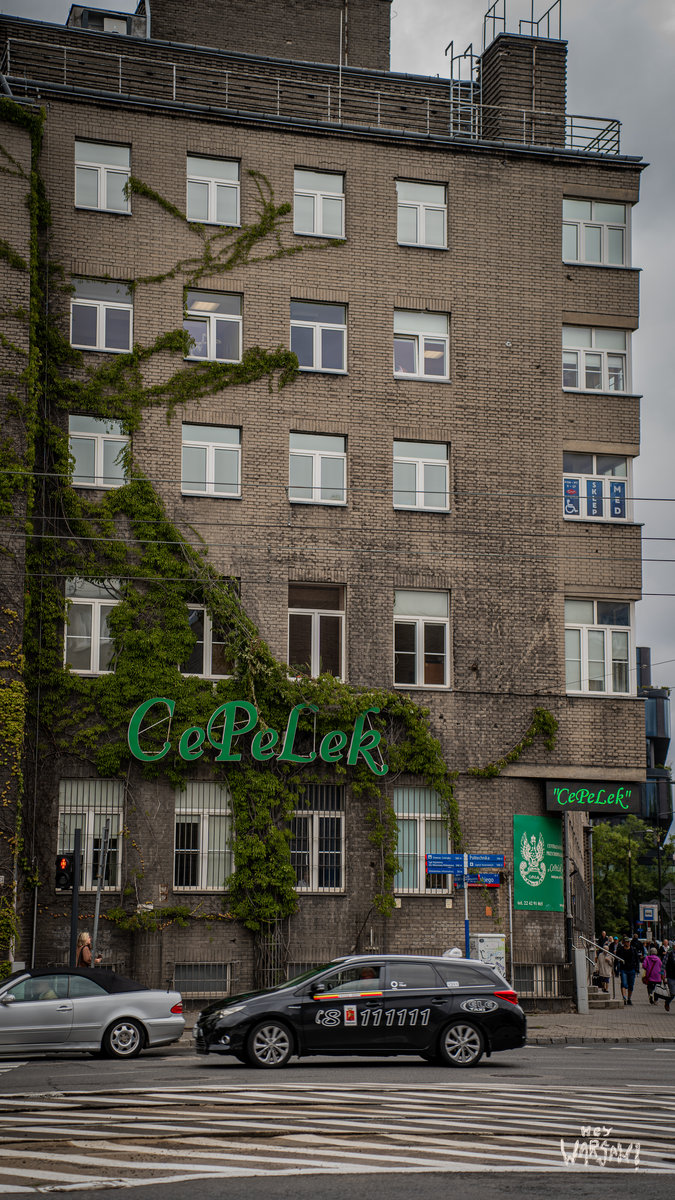

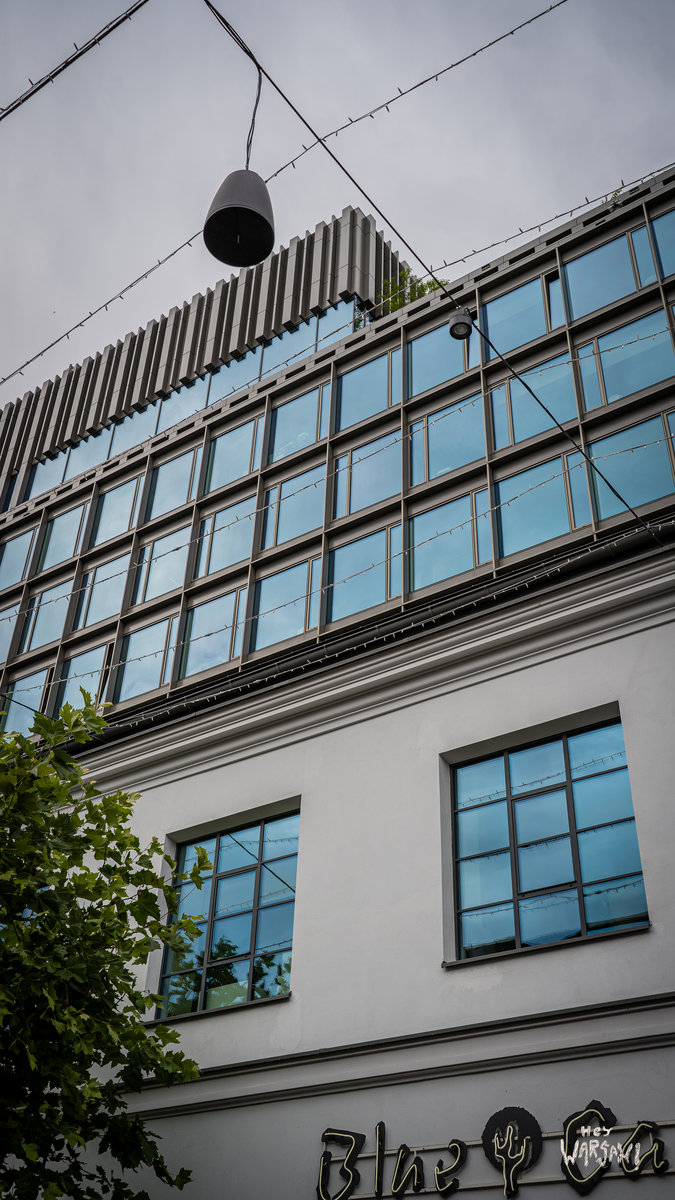
A girl_s diary in a post-soviet country

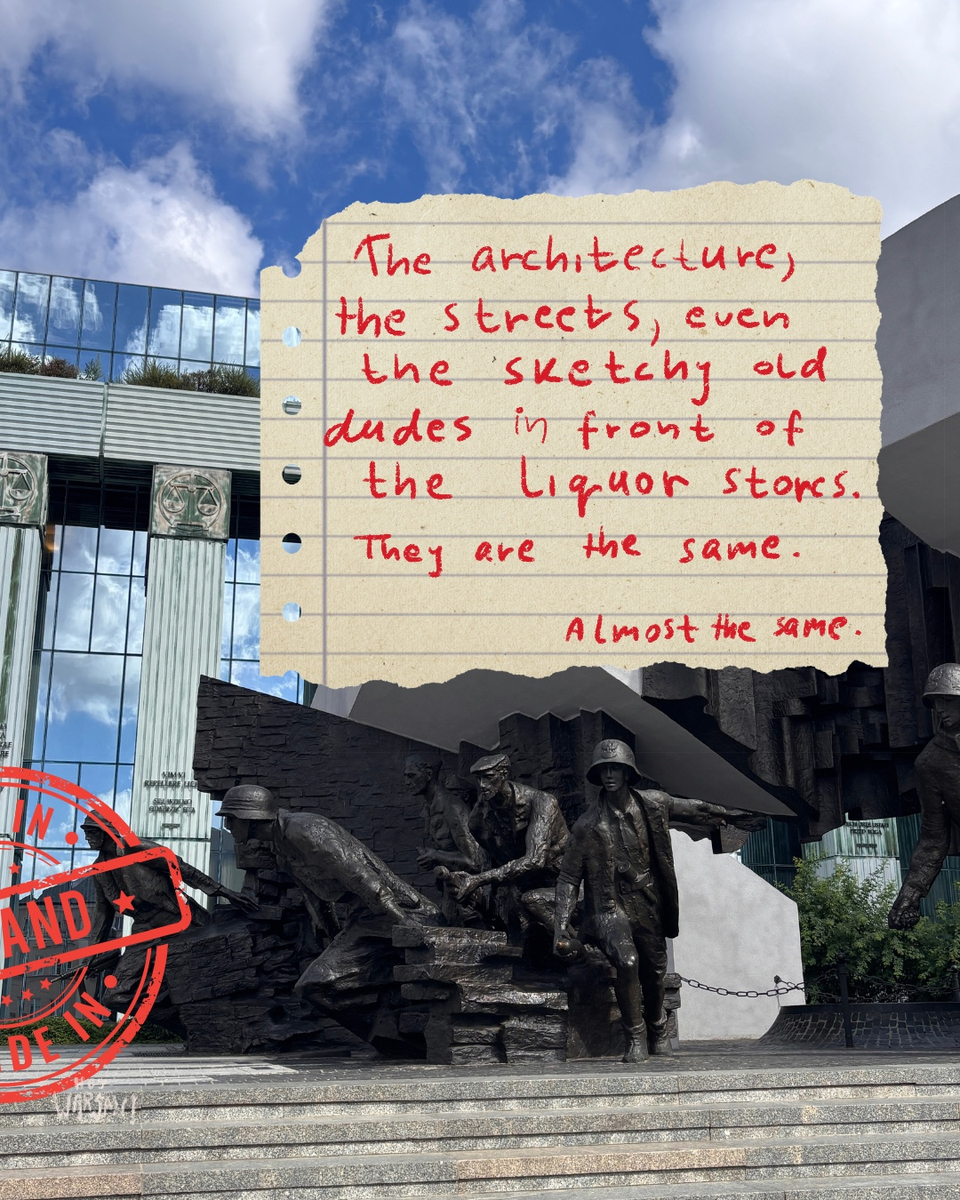
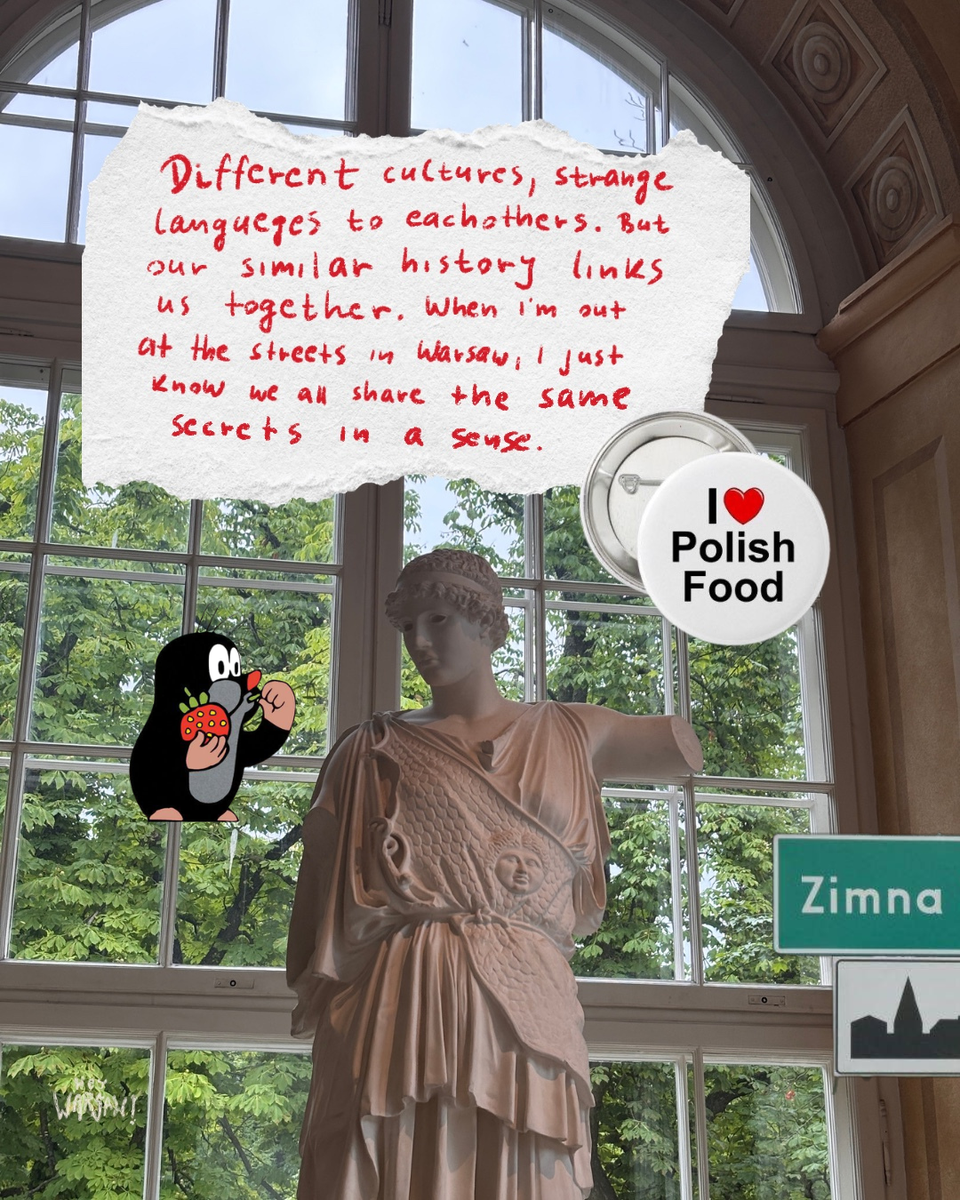
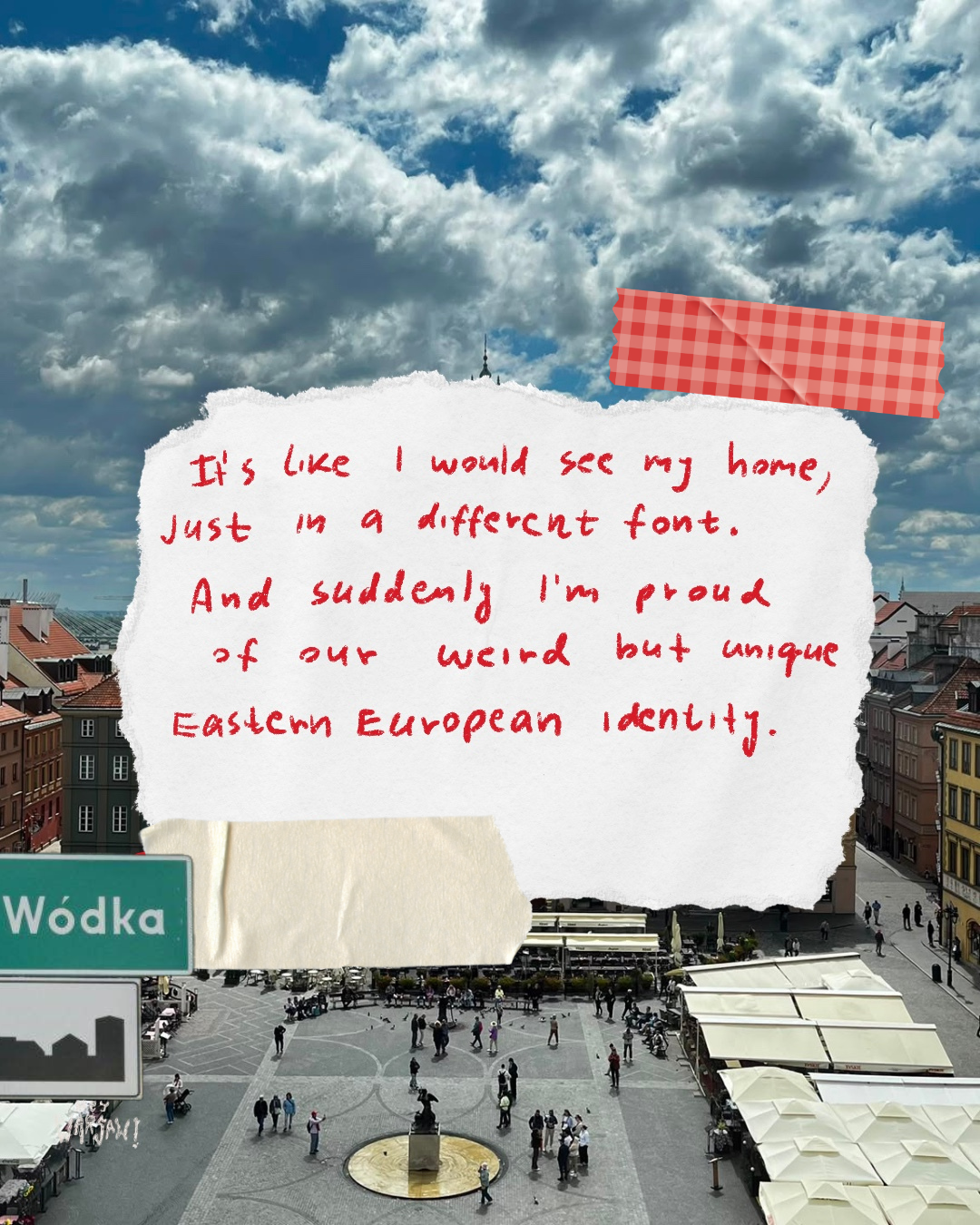
Warsaw between the city and the city
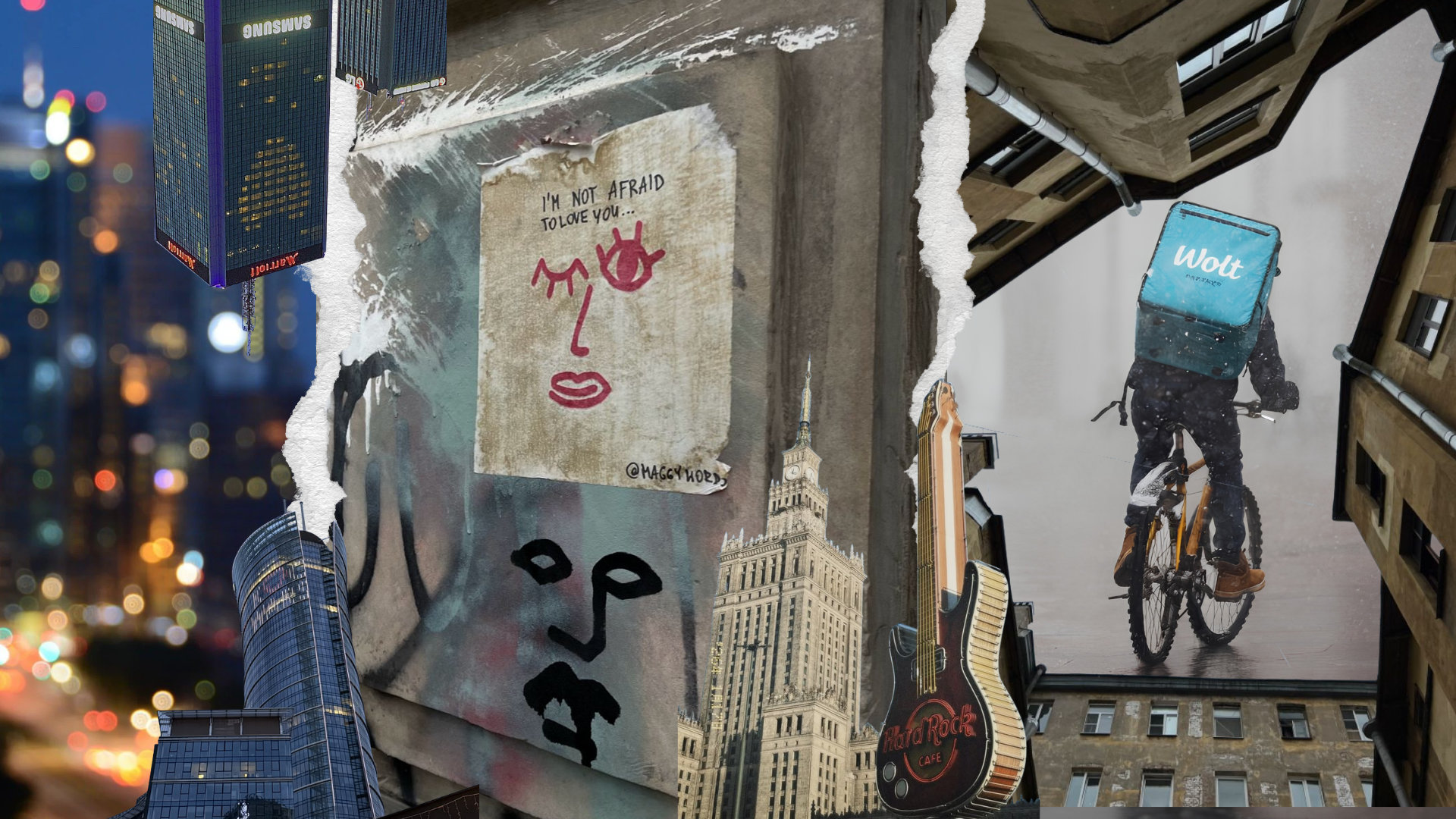
Hot takes on Warsaw a street interview series
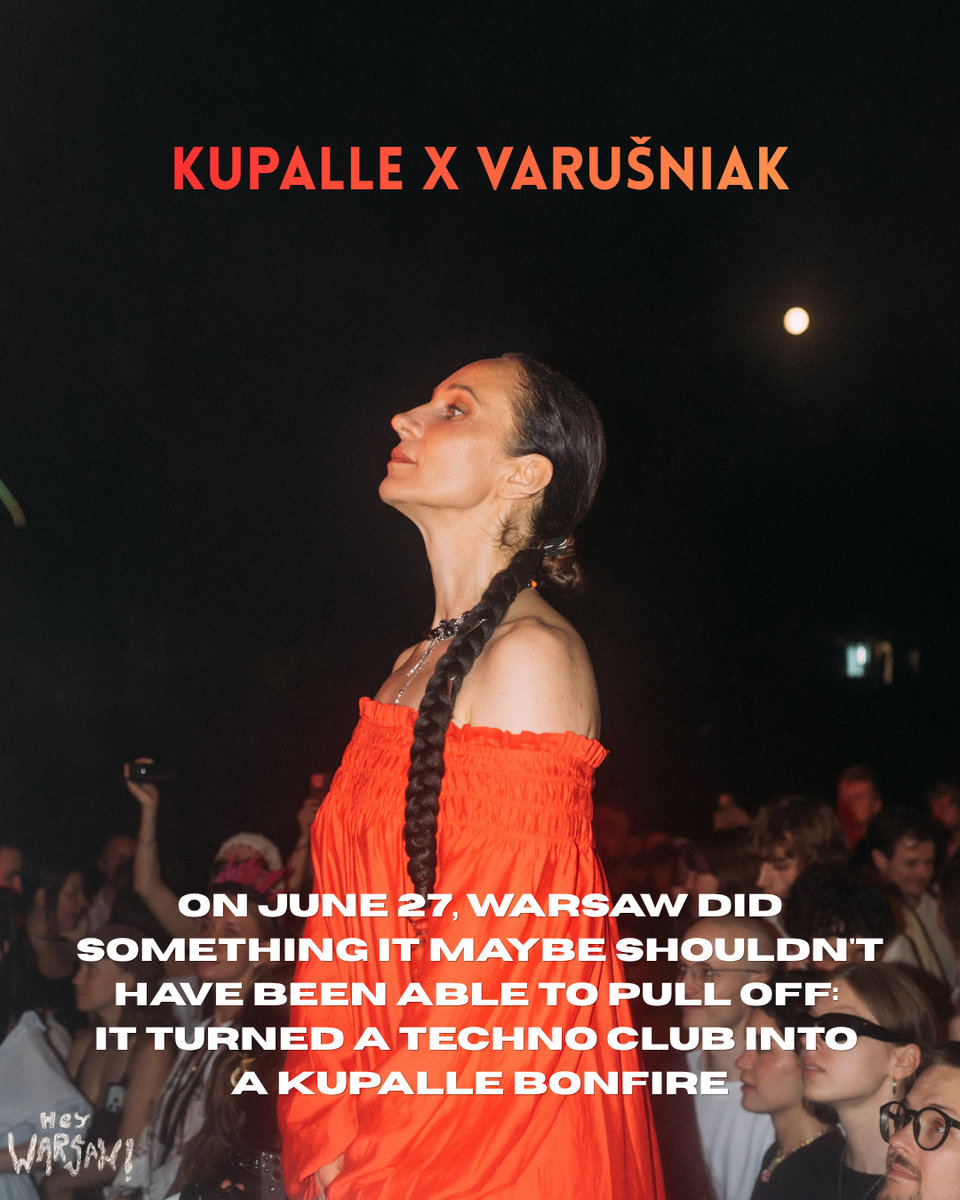
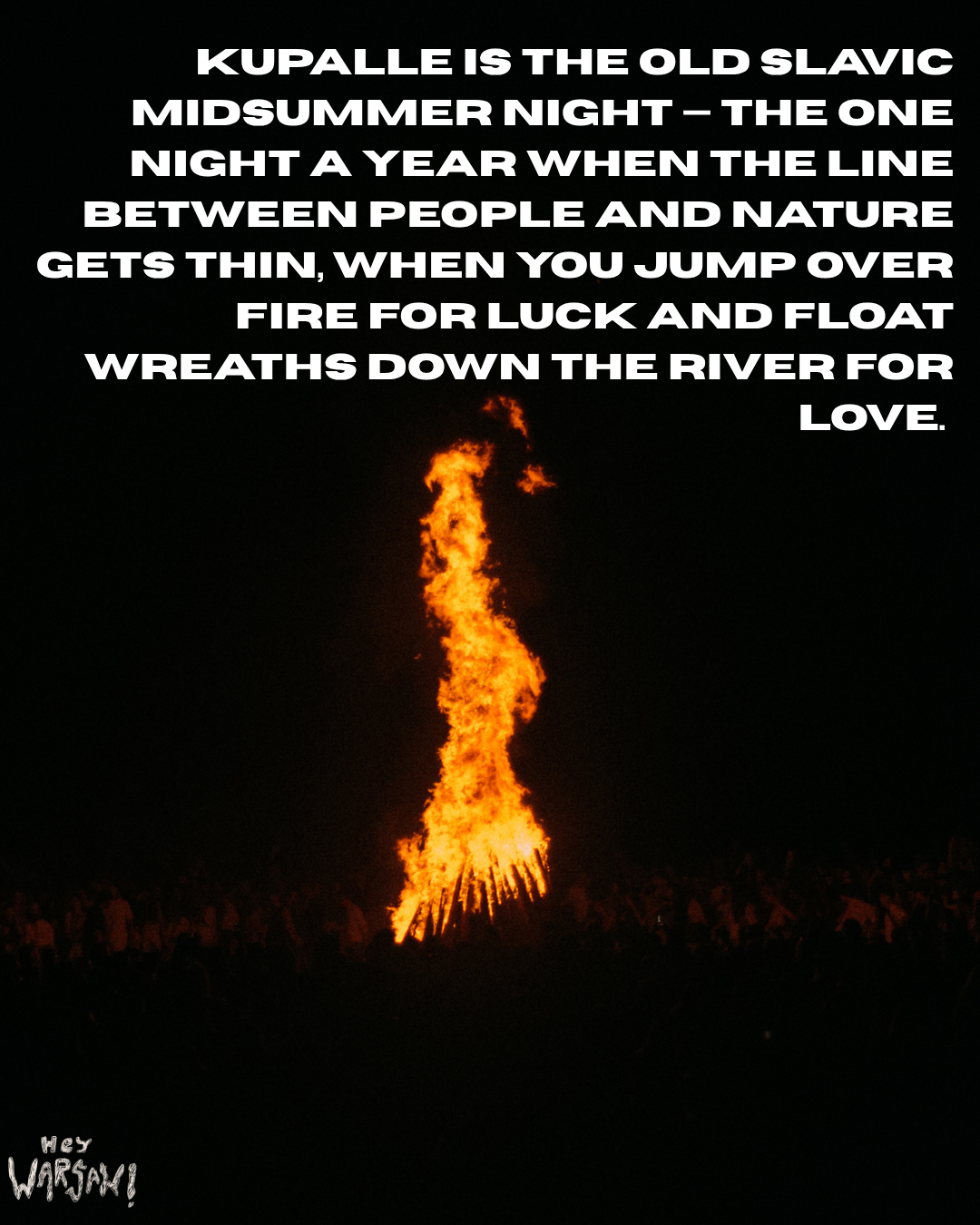
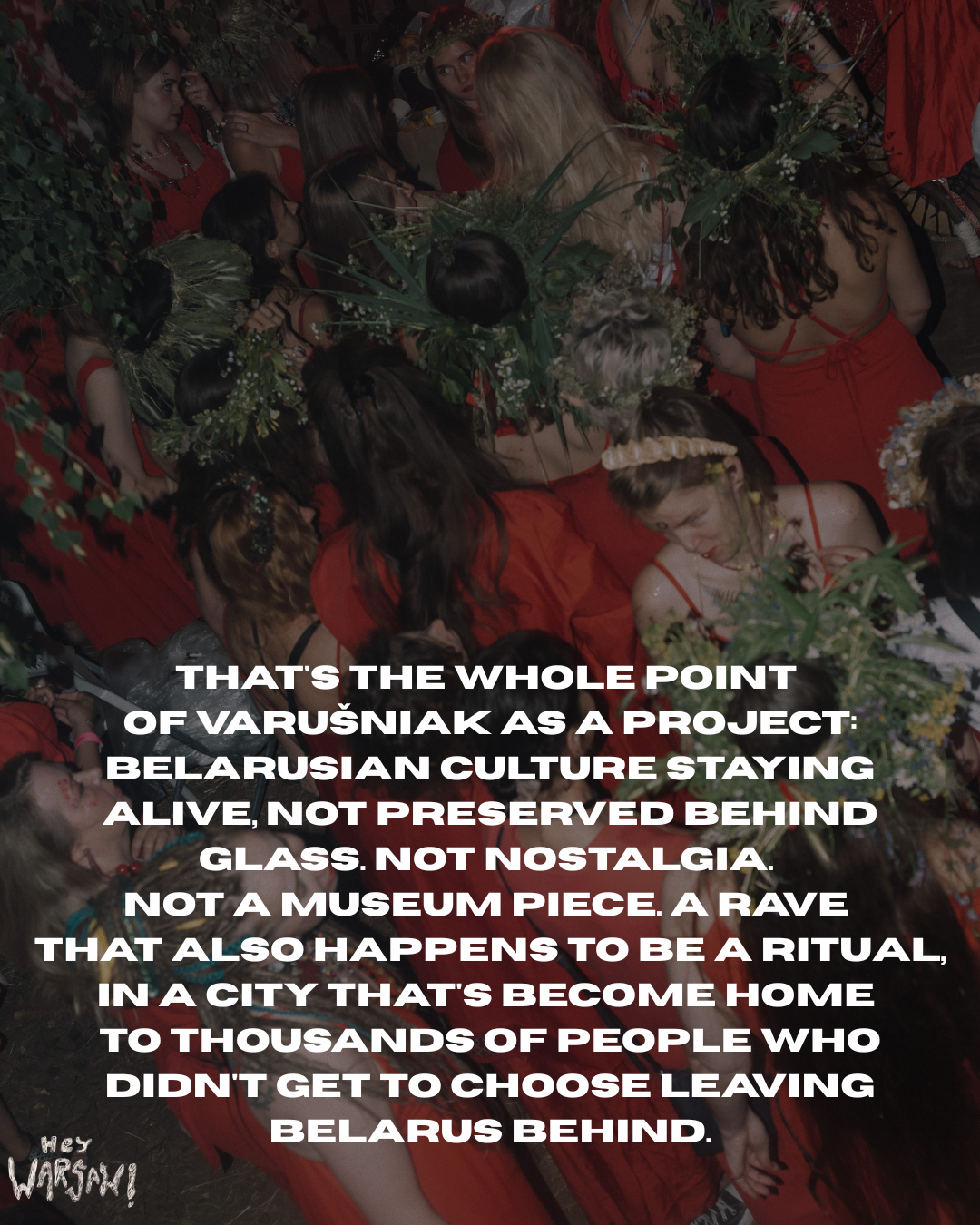
Kupalle – a modern multicultural tradition